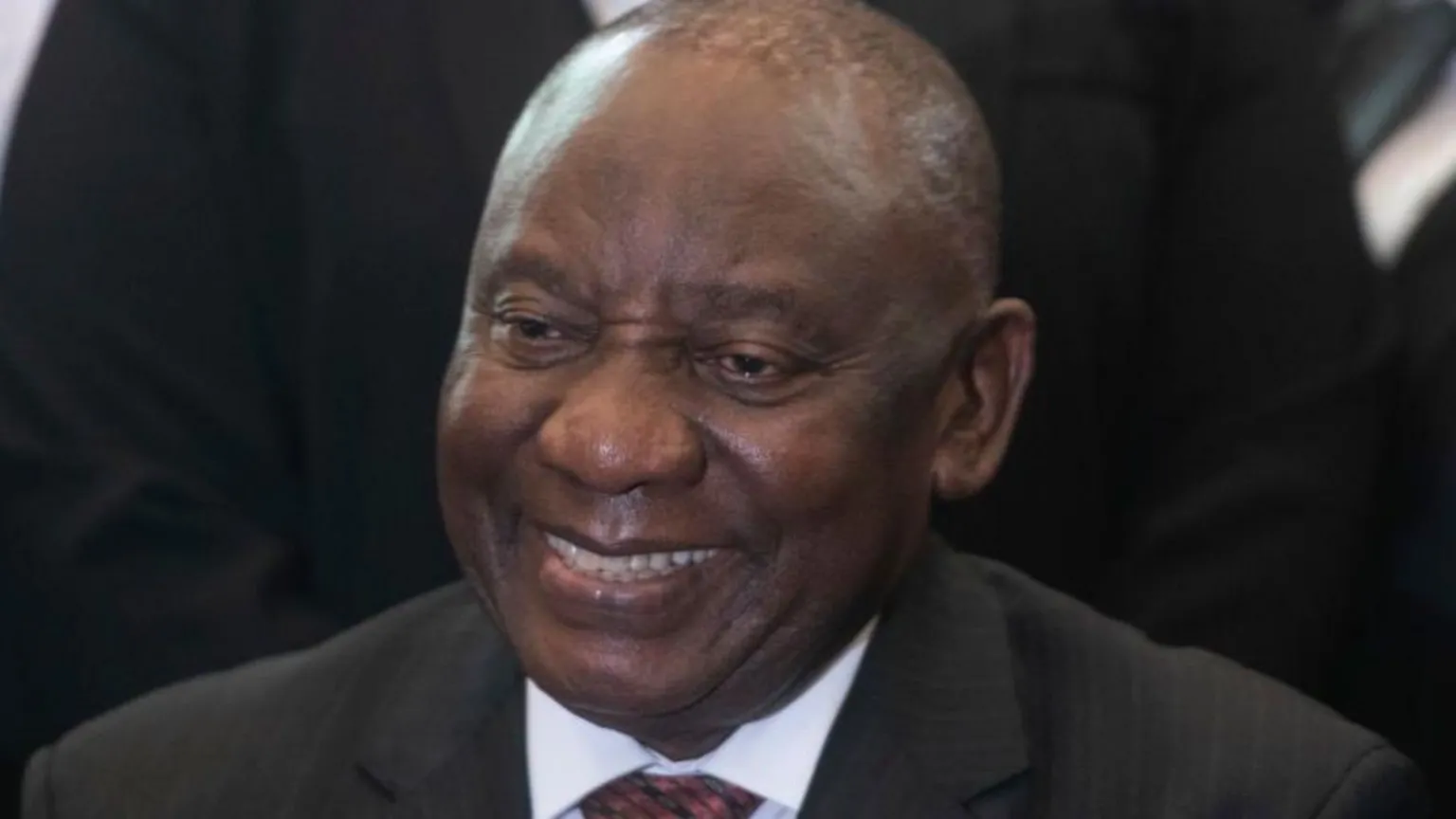
South African President Cyril Ramaphosa has announced that the military will be deployed alongside police to combat rising gang violence and crime across the country.
Speaking during his annual State of the Nation address, Ramaphosa directed the chiefs of police and the South African National Defence Force to develop a rapid deployment plan targeting crime hotspots in the Western Cape and Gauteng, focusing on gang activity and illegal mining operations.
“Organised crime is the most immediate threat to our democracy, our society, and our economic development,” he said. “Children in the Western Cape are caught in the crossfire of gang wars. Families in Gauteng are being driven from their homes by illegal miners. I will deploy the South African National Defence Force to support the police.”
South Africa faces one of the world’s highest homicide rates, with roughly 60 deaths daily linked to gang violence in Cape Town and mass shootings tied to illegal mining in Johannesburg.
Ramaphosa also announced plans to recruit 5,500 additional police officers, boost intelligence efforts, and target priority crime syndicates.
“The cost of crime is measured not only in lives lost but in futures cut short. It also spreads fear in society and discourages investment,” he said.
Illegal firearms continue to drive much of the violence despite strict gun laws. Meanwhile, illegal miners, known locally as “zama zamas” or “hustlers,” frequently enter abandoned or closed mines in search of gold. Many are undocumented foreign nationals linked to organised crime. Authorities estimate that South Africa lost over $3 billion worth of gold to illegal mining in 2024 alone.
Ramaphosa also vowed to hold municipal officials accountable for failing to deliver essential services, particularly water, amid worsening shortages that have sparked protests in Johannesburg and other cities.
“Water outages are a symptom of a local government system that is not working. Those who neglect their responsibility to supply water will be held accountable,” he said.
On the international stage, Ramaphosa criticized “powerful nations” for exerting control over weaker states and reaffirmed South Africa’s solidarity with oppressed populations in Palestine, Cuba, Sudan, and Western Sahara, saying the nation cannot consider itself truly free while others endure occupation and conflict.
Since assuming office in 2018, Ramaphosa has led South Africa’s first-ever coalition government after the African National Congress lost its parliamentary majority in June 2024.
The coalition, which includes the pro-business Democratic Alliance, has helped restore confidence in Africa’s largest economy, though high unemployment and pressure to improve service delivery remain critical challenges.
About the Author