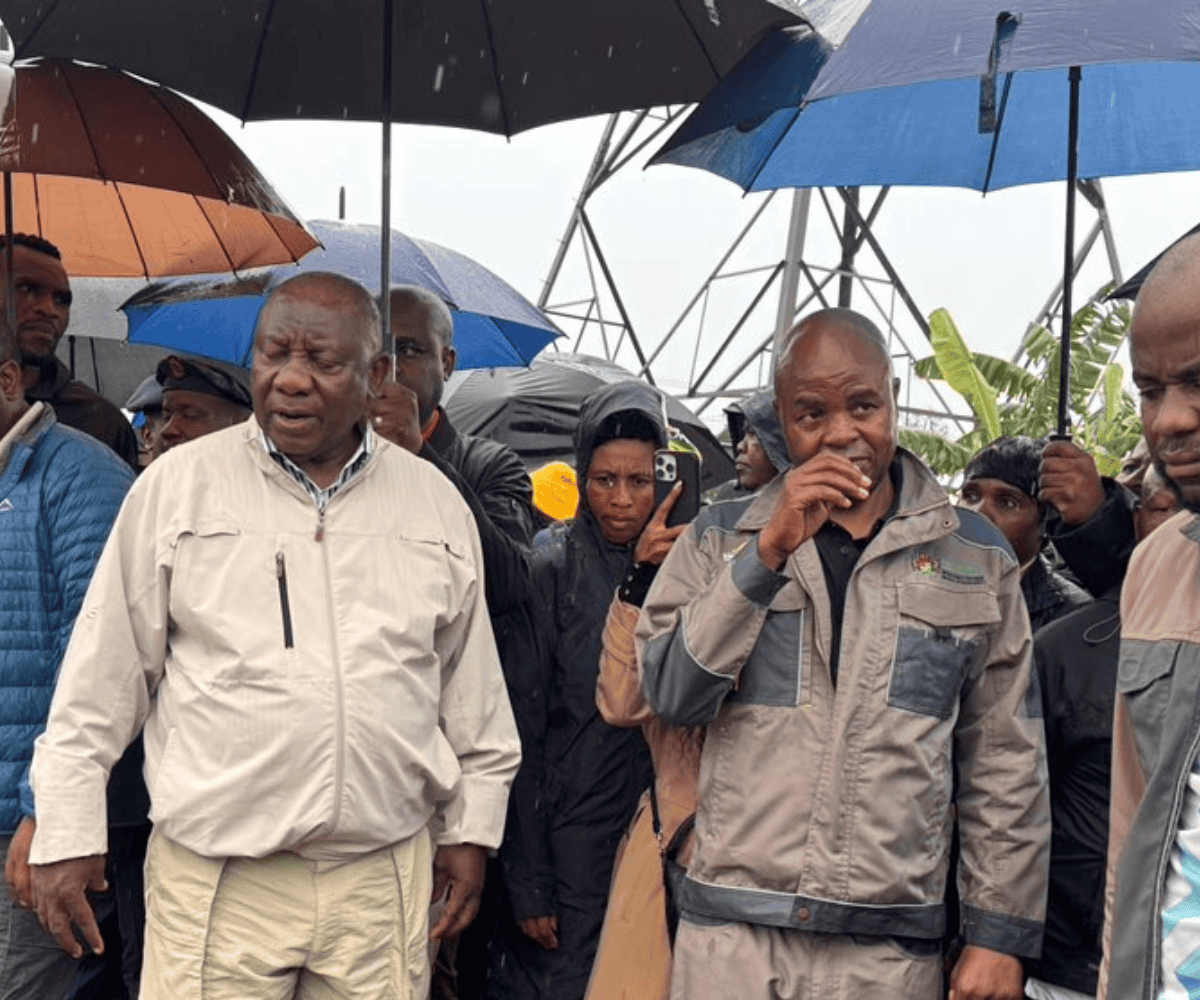
As residents of Mpumalanga and Limpopo reel from the devastation left by recent floods, President Cyril Ramaphosa says there is room for improvement in South Africa’s disaster response and management.
Ramaphosa was addressing the media during a visit to assess the damage in the Nkomazi Local Municipality, Mpumalanga, on Monday afternoon.
The floods have claimed 37 lives across the two provinces and affected 1 157 households in Mpumalanga.
In Limpopo, more than 430 roads have been damaged and several bridges swept away, with hundreds of people displaced.
Ramaphosa praises response but says it needs strengthening
“We’re grateful that our rescue and quick response agencies have been really up to the task. They have responded extremely well, the South African National Defence Force (SANDF), as well as the emergency services here in the province, at local government level,” Ramaphosa said.
“So as government, the response has been quite effective. Obviously, we need to do more to deal with disasters that continue to befall us,” he added.
The president said the response to disasters had to be “geared up” and improved from what it currently is.
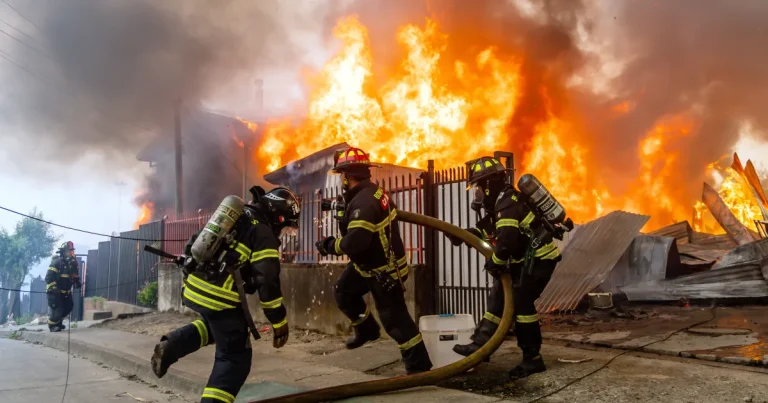
“We’re now in an era where climate change is quite evident to everyone, and we are now developing our own disaster responses so that when we have disasters like these – floods and fires and other forms of disasters – we are able to respond as quickly and as effectively as possible,” he said.
Town planning failures and unsafe settlements highlighted
In addition to improving response, the problem of people building in low-lying areas is a long-term issue that needs to be dealt with, Ramaphosa said.
“We’ve seen it occurring over and over, and our municipalities need to make sure that our by-laws are adhered to.”
ALSO READ: Flights to and from Limpopo resume amid heavy rain and flooding
He said adequate town planning in the country has also declined and that there was a need to increase town planning capabilities and to ensure more young people are qualified in that field.
The president also emphasised that the paramount issue is saving lives.
He said lives and livelihoods should be protected along with infrastructure, because loss of life adversely affects households and families.
Climate finance and economic impact under scrutiny
Ramaphosa also mentioned that South Africa argued that there must be financing for climate change damage during the G20 Leaders’ Summit in November last year.
“We should get clear policies at a global level, but more particularly policies that are going to address the needs of the Global South, because we in the Global South are the ones who are suffering the ravages of climate change, when our countries and our nations did not cause it,” he said.
“So, we are saying that we need finance because once there’s been damage like this, we need finance almost on an annual basis to pay for the recovery of the damage that has been done by the rains, the floods, and the fire as well.”
The floods saw many schools being closed due to inaccessibility, and some remained unopened on Monday.
They also affected key economic sectors, including agriculture and tourism, with sites like the Kruger National Park and attractions along the Panorama Route experiencing disruptions.
On Saturday, the head of the National Disaster Management Centre, Ellas Sithole, declared the floods a national disaster.
The cost of repairing the damage is reported to be running into billions of rands as residents battle to navigate flooded roads and rescue what is left of their homes.
NOW READ: SA rescue teams join search for missing Ekurhuleni MMC in Mozambique floods
About the Author