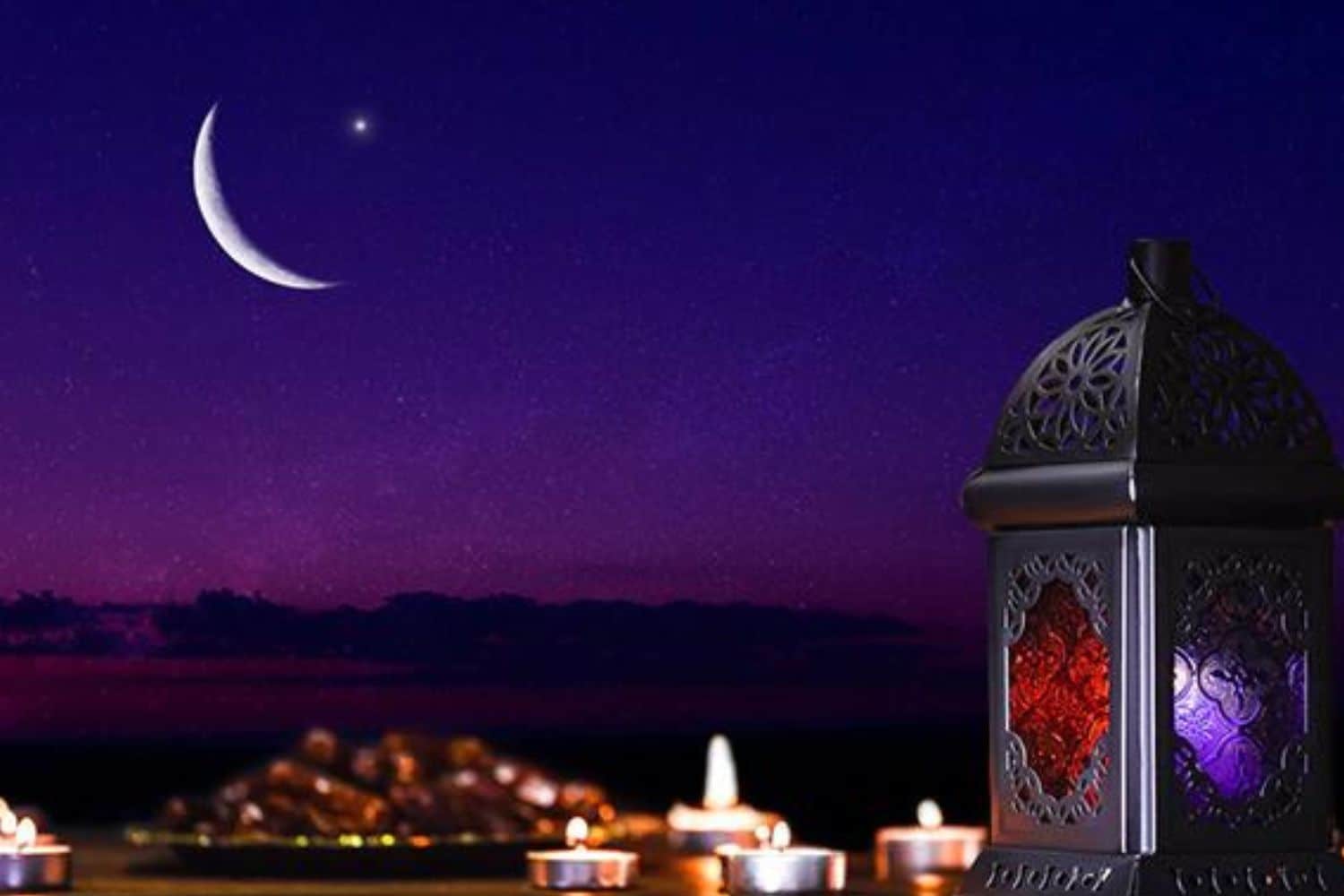
After almost 29 days of fasting and not having anything to drink from dawn until dusk, Muslims across the country will be hoping that the crescent moon for the month will be sighted, bringing an end to the Islamic month of Ramadan.
Muslims began fasting on 19 February 2026.
Ramadan
During Ramadan, Muslims fast from dawn to dusk and are not allowed to eat or drink, not even a morsel of food or a sip of water, until sunset.
Islam follows the lunar calendar, and the sighting of the moon signals the beginning or end of the Islamic month. In Islam, the new day also begins just after sunset.
While Thursday is expected to be the last day of fasting, the end of Ramadan will be confirmed by the sighting of the moon.
End of fasting
The end of Ramadan is marked by the sighting of the crescent moon on the evening of the 29th of the Islamic month.
If the crescent moon is sighted, Muslims in South Africa will celebrate Eid-ul-Fitr on Friday, 20 March 2026.
The sighting of the crescent moon is a contentious issue in South Africa. A number of organisations are guided by their own policies and principles based on Islamic law.
However, the majority of Muslims in South Africa ascribe to the crescent moon sighting of one Islamic body – the United Council of Ulama in South Africa (UUCSA), or the United Council of Muslim Theologians.
ALSO READ: Home Affairs scraps renewal burden, levels field for Muslim marriage officers
Moon sighting
With the current overcast conditions in Gauteng, it is unlikely that the moon will be sighted in the province.
The crescent moon may also be sighted in other provinces, but it’s unlikely, as the moon will be too young to be viewed.
Eid
According to the Johannesburg Planetarium, the Astronomical New Moon will occur on 19 March 2026 at 03.23am South African Standard Time (SAST).
At sunset that evening, the crescent moon will be only about 14 hours and 56 minutes old, too young to be visible to the naked eye.
This means South Africans will almost certainly complete 30 days of Ramadan, with Eid ul‑Fitr most likely celebrated on Saturday, 21 March 2026.
Day of celebration
The day of Eid usually starts with the early morning prayer known as Fajr.
Muslims then proceed to the Eidgah, or Eid prayer, where hundreds of Muslims in various areas across the country gather to offer the two-part prayer.
While it’s not customary, many Muslims also visit the cemetery to pay their respects to their loved ones who have passed on.
The rest of Eid is spent visiting family and friends and being in the company of loved ones.
Muslims are also not allowed to fast on Eid.
About the Author