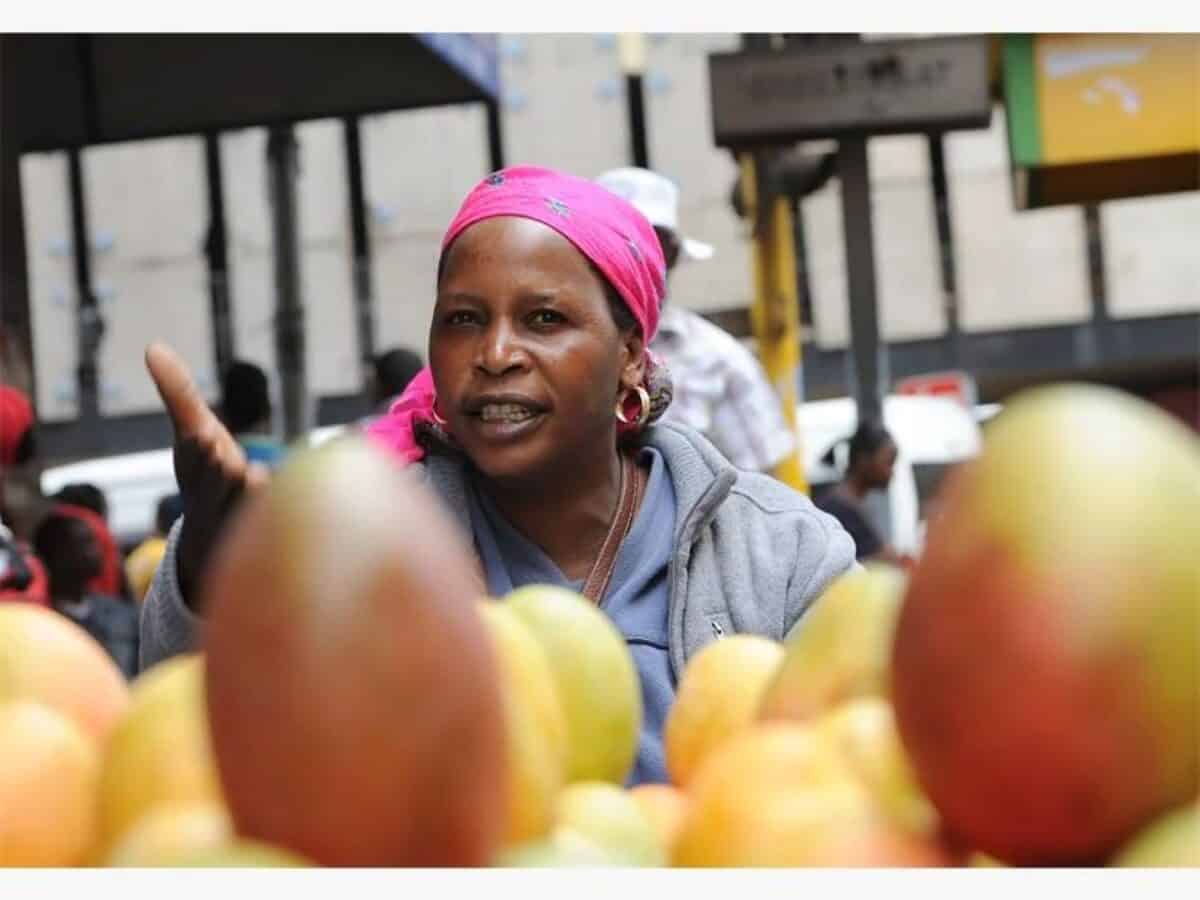
Decades after the end of apartheid, women in South Africa remain disproportionately concentrated in certain jobs.
One of the reasons the Employment Equity Act exists is to help advance people from historically disadvantaged groups into all levels of employment.
Yet the employment gap between men and women is getting bigger, posing the question: does society even want women in leadership roles, let alone workplaces?
Women are not only the most educated but also the most unemployed people in South Africa.
South Africa’s overall unemployment rate is 33.2%, according to Fast company, which highlights the future of business and work culture.
But joblessness, according to the Cape Argus, is higher among women at 35.9%, compared to 31.0% for men.
According to Statistics SA, the unemployment level of black women as of 2025 is 40.2%, despite affirmative action.
The unemployment rate for graduates stands at 12.2%, and female graduates experience a significantly higher rate of 15.0%, compared with 8.9% among males, according to the Cape Argus.
During apartheid, women were limited to administrative, teaching, nursing, services, clerical and domestic jobs.
ALSO READ: Meet the woman who is the highest paid CEO in government
The few women employed in post-apartheid South Africa continue to dominate those sectors, despite having qualifications which, in theory, should put them in other sectors.
Occupational segregation continues to thrive in post-apartheid SA. Statistics SA shows that 17.6% of employed women are in administrative posts compared to 5.5% of employed men.
Only 0.4% of men in South Africa do domestic work, whereas women dominate the industry.
Daily News estimates that 27.2% of employed women, around two million, are limited to informal work. This includes jobs without contracts, pension benefits or medical aid.
Men continue to dominate in executive and managerial roles and women continue to be left behind.
Business Tech, SA’s largest and most influential business news website, shows that men account for 61% of these roles compared to women at 30%.
Even when women are given a seat at the table, it’s tainted by the gender pay gap. IOL shows that as of 2025, women earn 23% to 35% less than men for the same work.
Organisational culture in workplaces shows that women continue to be left out of strategic processes and debates and still have to work harder than their male counterparts to be taken seriously.
Work allocation continues to be biased, with women being expected to take minutes, for example, despite their levels at work or qualifications.
ALSO READ: ‘We are sick and tired of being led by men’
Women are given administration-type jobs regardless of the work done by the whole team.
Women are often allocated to arrange conferences, do catering and find venues. Such tasks takes a significant amount of time out of their schedule.
This makes it more challenging for women to do the tasks that advance their careers and fit their job descriptions. The Cape Times shows that women in SA head 43.2% of households, on top of earning less than men.
Women are also often passed over for promotions.
The 2025 Working Women’s Report, produced by RecruitMyMom, a specialist SA talent agency focused on working women, shows 19% of women in SA wait five years for a promotion, with 23% never getting promoted.
Women also experience sextortion to keep their jobs or get benefits. Authority figures in workplaces may demand sexual favours from women with the promise of career benefits or a change in work conditions.
Thus, women are on the receiving end of corruption, as well as violation of human rights.
Despite strides in the fight against inequality and the implementation of affirmative action policies such as employment equity, the statistics don’t lie and women are still at a significant disadvantage.
This disadvantage makes many question whether men even want women in these workspaces that women are fighting so hard to be included in, as well as what the future of the workforce is.
NOW READ: Nelisiwe Sikhosana’s journey from being a cop to a power woman
About the Author