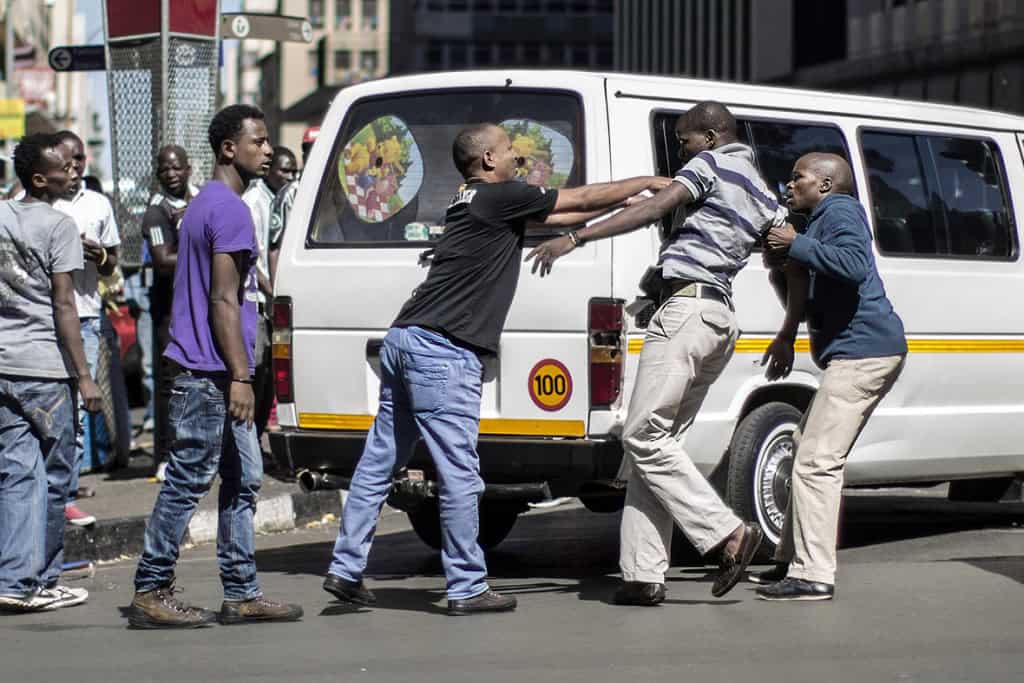
Six suspects aged between 29 and 49 were arrested by the South African Police Service (Saps) Provincial Taxi Violence Unit in Limpopo this week for taxi violence.
They were apprehended from the Moletlane area at the DISCO Fourways Taxi Rank on Wednesday, 11 March 2026, in connection with a taxi violence incident where six taxis were damaged and two victims assaulted.
During the occurrence, a female passerby was also allegedly assaulted after the suspects had accused her of documenting the attack on her phone and taking pictures.
ALSO READ: One child killed, 14 injured in KwaMashu scholar taxi crash; driver missing
Court Appearance
It is alleged that the incident was related to a taxi association rivalry between two organisations.
Members of the Provincial Taxi Violence Unit had conducted a targeted operation on Thursday in the Zebediela and Moletlane policing areas, which ultimately led to the arrest of the six suspects believed to be members of the adversary taxi association.
Suspects are expected to appear at the Lebowakgomo Magistrate’s Court on Friday, 13 March 2026.
According to Police reports, the six accused face charges of malicious damage to property and two counts of common assault. Police are still investigating the matter, with more arrests possible.
Rival Taxi Violence in SA
In 2024, Mmakwena Modipa from the University of Pretoria released a critical analysis surrounding taxi violence in South Africa, while pointing out the causes and extent to which these instances occur.
Despite the industry’s informality, taxis are one of the major modes of the public transport sector, contributing to the country’s economic growth.
“Taxi owners organised themselves into associations primarily defined by region and, to a lesser extent, specific routes. Over time, these associations gained power and began fiercely defending their territories.”
According to the analysis, many taxi operators, commuters, and community members lose their lives due to the infighting between rival taxi associations. This is due to its profitability and highly competitive nature.
Fighting over routes and industry deregulation
Considering taxis are the primary form of transportation for many headed to work and school in the mornings. These violent disturbances not only disrupt access to ride services but also erode public confidence in the reliability and safety of the transport sector.
“The findings further revealed that the deregulation of the taxi industry is the cause of taxi violence in South Africa.”
Despite regulations implemented post-apartheid, some drivers still operate without licenses, making the business more lucrative than before, as they attempt to bypass regulations.
Today, the transport sector faces deregulation challenges where taxi owners make their own rules and deal with situations in a specific manner.
“The National Land Transport Act currently does not regulate these associations, allowing them to exert significant influence over routes without formal oversight, further fuelling violent confrontations for route control.”
Recommendations
According to Modipa, taxi associations have often acted as gatekeepers, limiting access to new operators and sometimes charging ridiculously high fees, which some taxi owners cannot afford.
As a result, these rival associations form between organisations, and disputes escalate into violence. Therefore, state intervention in monitoring and regulating taxi operations is essential to prevent loss of life among commuters and operators alike.
“The absence of consistent regulation has allowed disputes over fares, licensing, and routes to intensify, creating opportunities for criminal elements within the industry.”
It is recommended that law enforcement agencies equip themselves with resources to combat taxi violence in South Africa. Along with the Department of Transport, which should regulate the taxi industry and fortify partnerships in the taxi industry to prevent recurrences.
READ MORE: Santaco reacts to two fatal taxi accidents
About the Author