neurology, epilepsy, magnetic resonance imaging, mri, seizure, health
According to Epilepsy SA, one in every 100 people is affected by epilepsy in South Africa, and around 50 million people have been diagnosed with the seizure disorder worldwide.
National Epilepsy Week takes place from 9-15 February every year, where efforts are made to create awareness and support those who are epileptic.
On Wednesday, the National Epilepsy Indaba was held at Wits University. The panel consisted of doctors, mental health advocates specialising in epilepsy, and interested parties to discuss the problems surrounding the disorder in South Africa. Although celebrated
The National Director of Epilepsy SA, Sharlene Cassel, asked everyone who is epileptic and willing to stand up in the room of 130 people. A total of 15 of the 130 people rose from their seats, emphasising that epilepsy is more prevalent in South Africa than one may think.
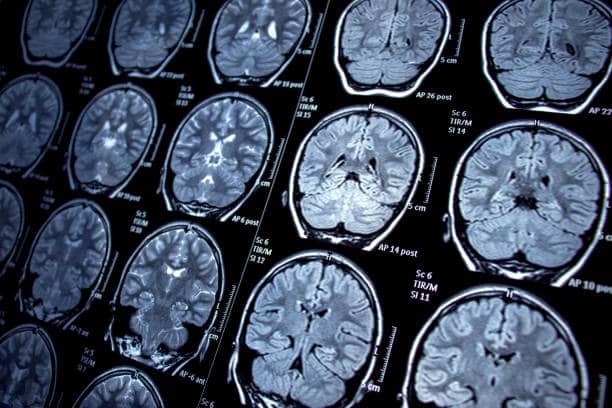
Epilepsy is a chronic condition also known as a seizure disorder, made up of a spectrum of symptoms and brain abnormalities that cause a reaction known as a seizure. These fits occur unprovoked and are characterised by unusual, excessive electrical activity in the brain.
The epilepsy stigma
“Epilepsy is more common than HIV,” says Dr Aayesha Soni.
Soni specialises in neurology, complex epilepsy, adult epilepsy, and epilepsy surgery at the Cape Town Constantiaberg MediClinic.
Speaking The Citizen, the describes epilepsy as an electrical storm that “sends disorganised messages to the brain due to an underlying scar,” which causes the seizure.
Soni also pointed out that employers often stigmatise their workers rather than accommodate their needs, which are part of employee rights in the workplace.
This makes it harder for those with epilepsy to find work placement due to their condition, despite diagnoses varying depending on symptoms.
The main discussions that took place at the Epilepsy Indaba were discrimination in every aspect, the negative effects of epilepsy on one’s mental health, the necessary lifestyle adjustments, unemployment, and poverty.
Many people in South Africa who live with epilepsy do not always have the healthcare resources needed to effectively treat their symptoms.
Marina Clarke, Epilepsy SA’s chairperson, interviewed panellists at the Indaba about the daily challenges they face and stressed the importance of inclusion in healthcare and the workplace.
“Stigma comes from fear, and fear comes from lack of knowledge, so the more we know, the more we will be able to fight stigma. Also, be careful not to self-stigmatise.”
Members of the audience asked questions that shed light on the reality of holistic methods, which were not recommended for treatment due to the many unknown factors.
Despite natural plants and herbs possibly reducing seizures, the prescribed dosage is unclear in the medical field and can decrease motivation, affecting mental health.
Speakers also highlighted the importance of protecting the nervous system by taking regular medication, maintaining a daily routine, exercising at least 3 days a week for 30 minutes, getting enough sleep, choosing healthier diet options (Mediterranean and keto), and keeping a seizure diary.
These can help protect the nervous system from imbalances that could trigger a reaction.
The winner of the 2025 Epilepsy South Africa Flame of Courage Award, Tshepang Seroka, also took to the podium to share his journey with epilepsy and encourage the audience.
“Epilepsy is not an infection. Living with epilepsy does not make me feel less capable or less human. I deserve to be respected. I deserve to be included. I deserve to be loved, I deserve to be heard and so does every person living with epilepsy and other neurological disorders.”
He described the reality of epilepsy beyond the clinics and policy rooms, having to give up his dream of playing professional football, as the most painful experience he has ever encountered.
How to know if you are having a seizure

There are also different types of epilepsy: focal or generalised epilepsy.
According to Soni, focal epilepsy appears only in a certain part of the brain. However, generalised epilepsy may show up more predominantly in the brain.
The impact of the disorder depends on the type of epilepsy one has, the area of the brain that is affected, the frequency of fits, and the severity of the seizure.
Other contributing factors include the type of underlying brain abnormalities present, how the person responds to treatment, and whether the condition is caused by genetic or environmental factors.
According to the Epilepsy Foundation, seizures are not only associated with epilepsy, as they can be caused by underlying issues, including traumatic events, migraines, and sleep disorders, etc.
Soni describes lip-smacking and impaired awareness as signs to watch for during a seizure, such as the focal retained consciousness seizure. This is known as an absence seizure or déjà vu, where symptoms are less common and harder to detect.
Often, the portrayal of a seizure involves extreme shaking, but there are various types of seizures, from severe grand mal seizures to subtle, absent seizures, where the person should be made aware, as they may not even know when they are zoning into one.
Seizures are not only epileptic related, but they can also be triggered by: certain foods, medication, menstrual cycle, hormonal changes, stress, illness, specific time of day or night, alcohol, drug use, not eating well, lack of sleep, and bright, flashing lights.
According to Soni, seizures can look and feel different from one to another and are considered a medical emergency when they last longer than five minutes or when they are frequent occurrences.
According to the Epilepsy Foundation, the sudden unexpected death of someone with epilepsy (SUDEP) is the leading cause of death amongst people with uncontrolled seizures.
ALSO READ: The epilepsy signs in children parents could miss
Family diagnosis
Epilepsy affects not only the individual but the family unit as well.
According to Soni, her patients are often accompanied by their family members who aim to understand and support their relative in the process, as it can be a traumatic experience.
“It’s a family diagnosis.”
According to the doctor, in most countries, adult epileptic patients are unable to drive until they are seizure-free for 6 months to a year.
Untreated epilepsy symptoms and seizures are dangerous and can have negative long-term effects for the patient; this includes potential brain damage.
“When epilepsy is managed badly, it can affect every aspect of a person’s life; they’re unable to drive, they are unable to work, and it impacts their interpersonal relationships,” Soni said.
This can negatively impact the mental health of an individual battling with their diagnosis, especially when their peers exclude them in environments.
However, when it is managed correctly, and there are many options, it can be managed, offering one a normal life.
She is passionate about increasing access to care for epilepsy patients and education around the disorder so that patients are aware of their options and rights.
Specific mental health conditions associated with epilepsy tend to have higher rates of depression and anxiety due to the unpredictable nature of the disease.
Isolation and battling with fear are also due to the social pressures and society’s reaction to their condition, the fear of exposing themselves or being treated differently, and having to mask one’s reality in fear of exclusion.
READ MORE: Designer babies are closer to reality than you think
About the Author