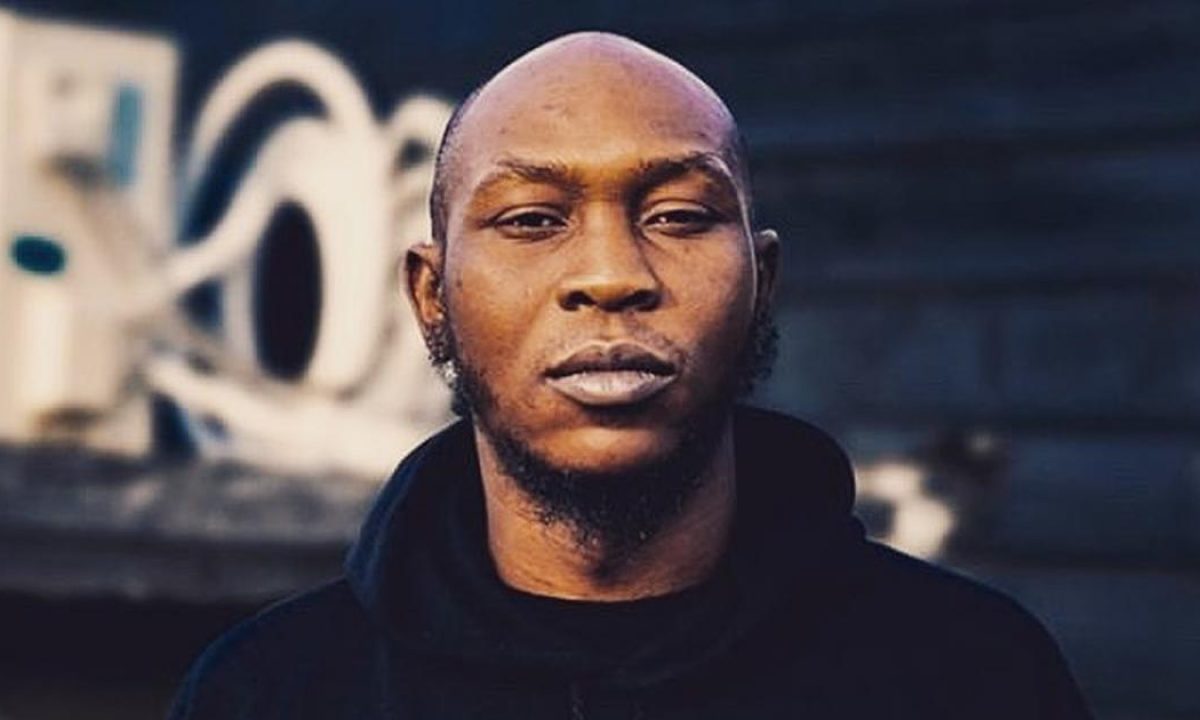
Afrobeats singer Seun Kuti has addressed growing reactions from Wizkid fans over the “Big Bird” nickname, insisting the title is his and urging Wizkid to adopt a different, original moniker.
The exchange unfolded during Seun’s Instagram Live session after a Wizkid supporter suggested he drop the nickname, arguing that Wizkid is the “Biggest Bird.” Seun firmly rejected the request, stating that he has used the name long before the recent debate.
According to him, the nickname predates the current controversy, adding that he has no intention of changing it. He maintained that originality matters and questioned why he should abandon a name he says he coined first.
Seun also criticised members of Wizkid’s team, including DJ Tunez, over what he described as their silence regarding repeated comparisons between Wizkid and his late father, Afrobeat pioneer Fela Anikulapo Kuti. He argued that failing to address such comparisons allows fans to draw Fela into music rivalries unnecessarily.
The singer further revealed during the live session that he recently received about $120,000 due to his father’s legacy, emphasising that Fela’s impact continues to yield benefits decades after his death. He described the moment as proof of his father’s lasting influence.
Seun stressed that his comments were not directed at Wizkid personally, but at fans who, in his view, disregard history by equating contemporary artists with his father. He called on Wizkid’s fan base to refrain from invoking Fela’s name in online debates.
Challenging the fan community, Seun urged them to invest their collective energy in meaningful projects rather than online arguments. He suggested that supporters could pool resources to fund public infrastructure, such as a school, in honour of their favourite artist.
He also rejected the label of Wizkid as the “New Fela,” insisting that Fela Kuti’s legacy stands on its own and cannot be replicated or rebranded.
The comments have since sparked fresh conversations online around celebrity fandom, legacy, and the boundaries of comparison in Nigerian music culture.
About the Author