Lawmakers probe Crypto Bridge Exchange collapse and propose stronger fintech oversight to safeguard Nigeria’s financial system….
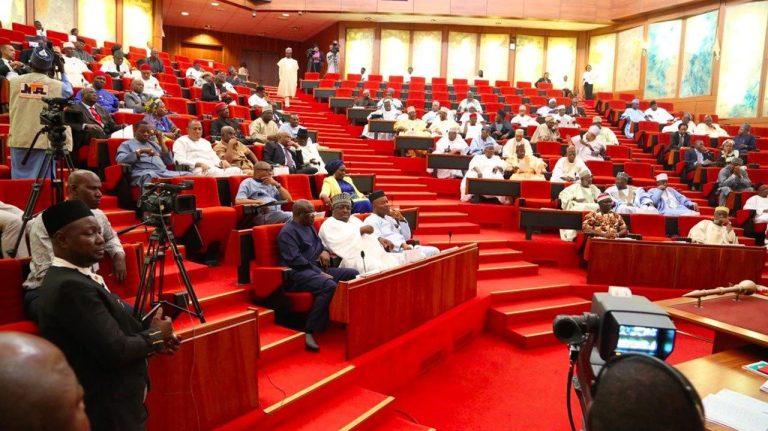
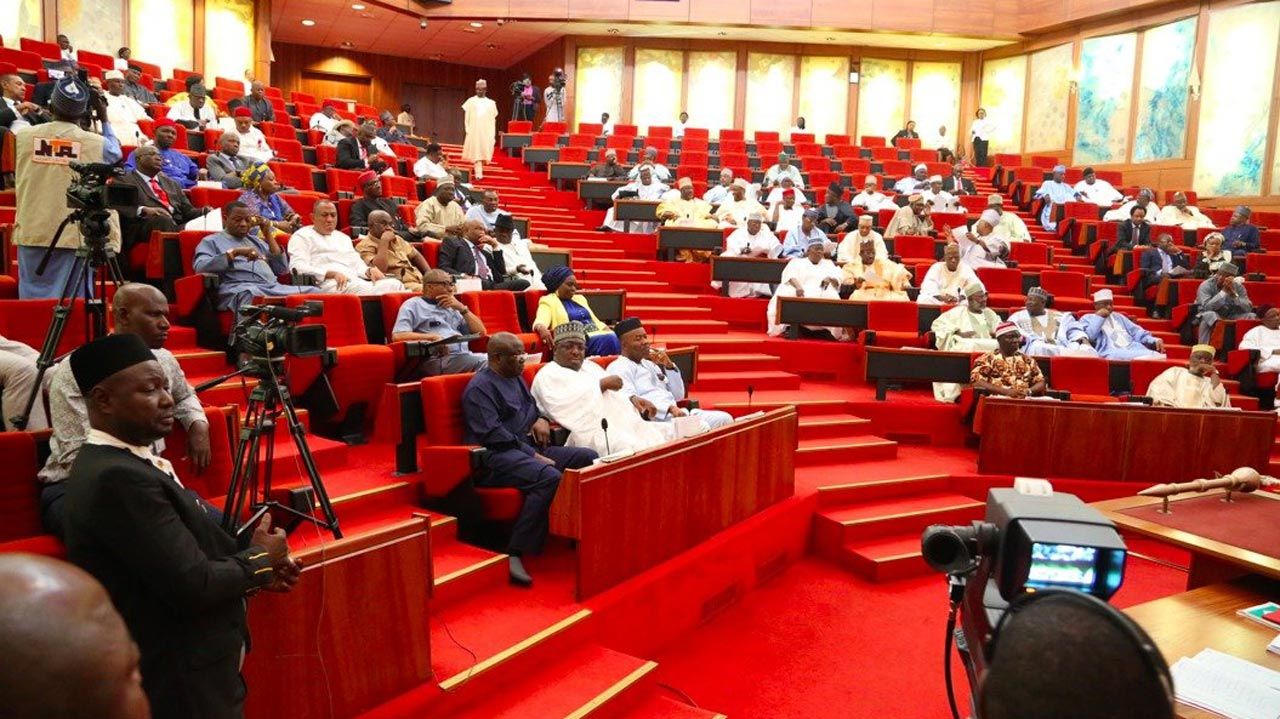
The Senate of Nigeria has kicked off a public hearing on proposed amendments to the Banks and Other Financial Institutions Act (BOFIA) 2020 and launched an inquiry into the growing proliferation of Ponzi schemes in the country.
The session, declared open on Tuesday by Senate President Godswill Akpabio, was represented by Opeyemi Bamidele, the Senate Leader. Lawmakers focused on SB959, a bill amending BOFIA, alongside a motion investigating fraudulent investment platforms, with particular attention to the recent Crypto Bridge Exchange (CBEX) scandal.
The hearing was organised jointly by the Senate Committees on Banking, Insurance and Other Financial Institutions; ICT and Cybersecurity; Capital Market; and Anti-Corruption and Financial Crimes.
Akpabio stressed that the move reflects the Senate’s commitment to protecting financial stability while supporting responsible innovation in Nigeria’s rapidly evolving digital economy.
“Enhanced supervision is not a constraint on growth; it is a safeguard for sustainable growth,” he said, noting that the amendment would strengthen the Central Bank of Nigeria’s (CBN) supervisory powers and provide a clear statutory framework for designating systemically important institutions, including fintech firms.
No separate fintech regulator
While some stakeholders proposed creating a standalone fintech regulatory body, Akpabio explained that the Senate believes oversight of technology-driven financial services should remain under the CBN’s mandate. Cryptocurrency exchanges fall under the Securities and Exchange Commission (SEC), while transaction monitoring and systemic stability remain the responsibility of the CBN.
The Senate leader also warned of the risks posed by Ponzi schemes and fraudulent digital investment platforms, citing CBEX’s collapse as a cautionary tale.
“Ponzi schemes exploit economic hardship and limited financial literacy. They undermine trust in legitimate institutions and inflict severe financial and emotional harm,” he said.
The inquiry will examine regulatory gaps, enforcement challenges, and the need for stronger penalties to deter financial fraud.
Expert perspectives and support for reforms
- Mukhail Abiru, Chairman of the Senate Committee on Banking, said the amendments would empower the CBN to designate qualifying fintech and digital financial institutions as systemically important and establish a national registry to enhance transparency.
- Philip Ikeazor, Deputy Governor of the CBN in charge of financial system stability, backed the bill, noting that some fintech firms now process transaction volumes comparable to mid-sized banks.
- Orekia Opemi-Yusuf, Director of Payment Systems Supervision at the CBN, cautioned that duplicating regulatory structures could hinder Nigerian fintechs seeking to expand internationally.
- Isa Amadu of the Bank of Industry urged clear thresholds for identifying systemically important institutions to prevent regulatory overreach.
- Ondaje Ijagwu, representing the FCCPC, supported stronger prudential supervision while maintaining a distinction between regulation, competition, and consumer protection.
- Dein Whyte from the EFCC revealed that the CBEX fraud affected 1,200 victims and N1.3 trillion, with seized assets now being pursued for forfeiture to the federal government.
Akpabio concluded that strengthening oversight of systemically important institutions and cracking down on fraudulent schemes are essential to preserving trust and stability in Nigeria’s financial system.
About the Author