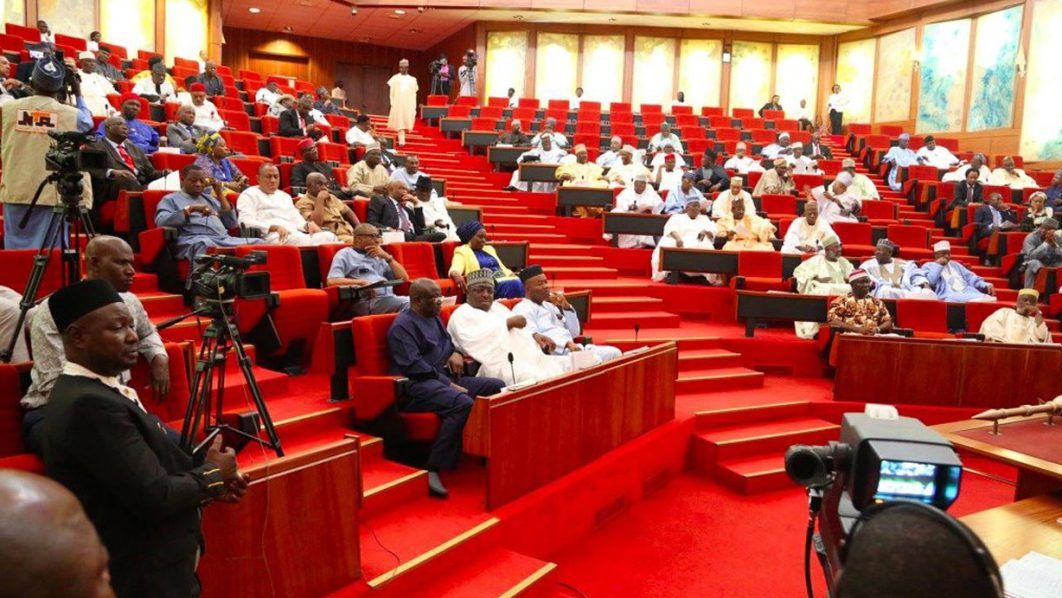
The Nigerian Senate has passed the Electric Vehicle Transition and Green Mobility Bill, 2025, for second reading, a significant step toward creating a national framework for the country’s transition to electric vehicles (EVs) and sustainable transport systems.
Sponsored by Orji Uzor Kalu (Abia North), the proposed legislation aims to accelerate Nigeria’s shift from fossil-fuel-powered vehicles to cleaner alternatives while promoting local manufacturing, job creation, and environmental sustainability.
Leading the debate, Kalu said the bill would transform Nigeria’s automotive and energy sectors, foster innovation, and attract investment into green technologies.
“This law will reshape the nation’s transportation landscape, stimulate manufacturing, and create employment opportunities across the value chain,” Kalu stated.
The bill offers a range of incentives to encourage adoption, including tax holidays, import duty waivers, toll exemptions, subsidies, and road tax reliefs for both electric vehicle users and investors. It also mandates that charging stations be installed at all fuel retail outlets nationwide to support the anticipated rise in EV use.
A major provision requires foreign automakers to partner with licensed Nigerian assemblers and establish local assembly plants within three years. By 2030, automakers must source at least 30 percent of components locally.
Failure to comply could attract fines of up to ₦250 million per infraction, while unlicensed importers of electric vehicles face penalties of up to ₦500 million and possible confiscation of goods.
Economically, the bill seeks to position Nigeria as Africa’s hub for electric vehicle production, mandating that local assemblers manufacture a minimum of 5,000 EV units annually while meeting global safety and technical standards.
Investors who develop charging infrastructure will also qualify for government grants and tax credits as part of efforts to stimulate green investment.
Senate President Godswill Akpabio described the bill as a forward-looking legislative milestone aligned with President Bola Tinubu’s clean energy and economic diversification agenda.
“This is a progressive step toward a sustainable transport future and a greener economy,” Akpabio said.
The bill has been referred to the Senate Committee on Industry for further consideration and is expected to return to the plenary within four weeks for final passage.
About the Author