Securities Commission to prioritise bonds, REITs, and agribusiness listings to fund roads, power, housing, and agriculture
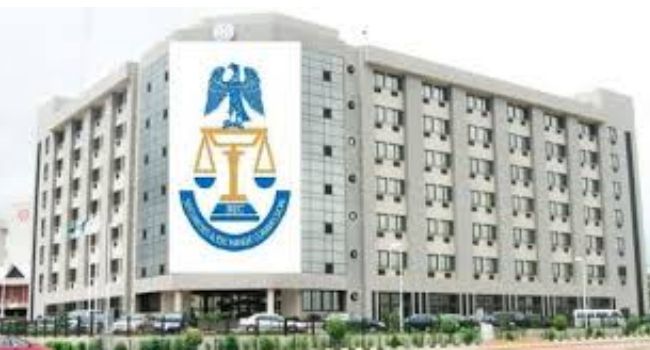
The Securities and Exchange Commission (SEC) has unveiled an ambitious 2026 strategic roadmap aimed at mobilising long-term capital to address Nigeria’s chronic infrastructure deficits.
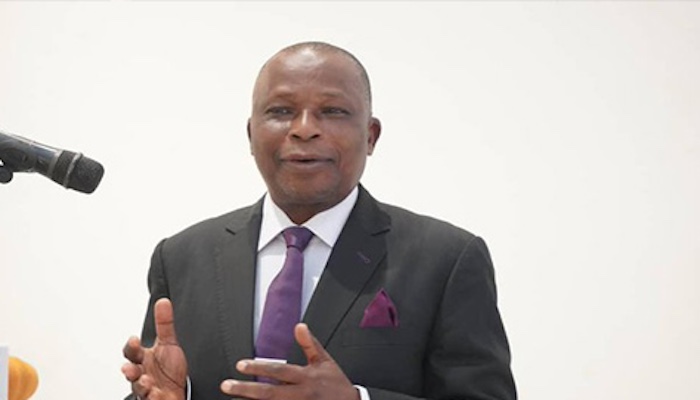
Announcing the plan in Abuja on Thursday, SEC Director-General Emomotimi Agama highlighted a shift from the heavy reliance on short-term financing instruments like commercial papers in 2025 toward patient, sustainable funding for productive sectors such as roads, power, rail, housing, digital infrastructure, and agriculture.
“Our goal is to attract stable domestic and international capital into critical national projects while making it easier for state governments and infrastructure companies to access the market efficiently,” Agama said.
Tackling Nigeria’s Infrastructure Deficit
Nigeria’s infrastructure shortfall is estimated at over $100 billion, according to government and private-sector studies. Persistent gaps are visible in dilapidated roads, unreliable power supply, underdeveloped rail networks, housing shortages exceeding 20 million units, and slow broadband penetration.
The SEC believes that mobilising long-term finance through the capital market is key to reversing years of underinvestment and meeting the country’s economic development goals.
Targeted Support for Agriculture, Housing, and Manufacturing
Under its 2026 agenda, the SEC will promote agribusiness listings and introduce dedicated windows for cooperatives and value-chain firms, alongside commodity-linked instruments designed to stabilise pricing and improve farmer incomes.
In the housing sector, the Commission plans to revive Real Estate Investment Trusts (REITs) and launch affordable housing bonds, aiming to unlock capital for large-scale housing delivery while broadening investor options.
Manufacturing, automotive, pharmaceuticals, and other SME-focused sectors are also in line for support. Dr. Agama explained that updated regulations would attract listings and patient capital, helping domestic firms expand, reduce import dependence, and strengthen the Made-in-Nigeria value chain.
Power and Green Energy Financing
The SEC intends to facilitate capital raises for the power sector via infrastructure bonds, green energy bonds, project-backed securities, and public-private partnerships, targeting grid expansion, renewable energy, and embedded generation projects critical for Nigeria’s energy transition.
A Market-Driven Engine for National Development
Agama said the 2026 agenda reflects a strategic repositioning of Nigeria’s capital market as a key driver of economic and infrastructure development.
“We are moving beyond short-term liquidity solutions to long-term financing that directly tackles the country’s most pressing developmental needs,” he said.
Fixing the Short-Term Funding Imbalance
The SEC’s pivot comes after a 2025 dominated by commercial paper issuance, with more than ₦1.3 trillion approved as companies relied on short-term instruments to fund operations. Analysts have warned that this mismatch between short-term funding and long-term capital needs has constrained investment in critical sectors, including infrastructure, manufacturing, and energy.
By prioritising long-term instruments such as infrastructure bonds, municipal bonds, green bonds, and sector-specific funds, the SEC hopes to provide stable, sustainable capital for projects that require patient financing, ensuring that the Nigerian capital market becomes a true engine of national growth.
About the Author