Regulator targets 13 newly sanctioned entities, warns operators of severe penalties for non-compliance…
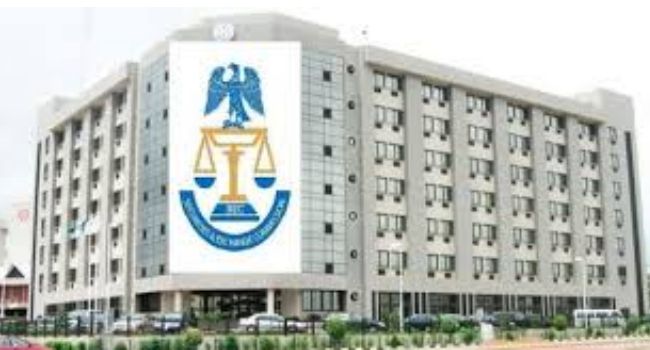
Nigeria’s Securities and Exchange Commission (SEC) has launched a sweeping enforcement action, directing the immediate freezing of assets linked to 13 newly sanctioned individuals and organisations across the country’s capital market.
The move follows their inclusion on Nigeria’s official sanctions list by the Nigeria Sanctions Committee, triggering automatic restrictions under the law.
In a compliance directive circulated to capital market operators, the SEC made it clear that the order takes immediate effect, leaving no room for delay or prior notification to affected parties.
Zero Notice, Full Enforcement
Citing provisions of the Terrorism (Prevention and Prohibition) Act, 2022, the Commission emphasized that all funds, assets, and economic resources connected to the designated persons must be identified and frozen without warning.
Operators have also been instructed to:
- Halt all transactions involving the listed individuals and entities
- Report frozen accounts and any attempted dealings
- Maintain strict compliance with ongoing monitoring requirements
The directive applies broadly across the financial system, covering not only traditional market operators but also designated non-financial businesses and professions.
Terror Financing Links Uncovered
Details surrounding the sanctions reveal that several of the individuals were previously convicted in the United Arab Emirates for financing terrorism linked to Boko Haram.
According to the findings, funds were allegedly raised in Dubai and funneled into Nigeria to support terrorist activities. Convictions handed down in 2019 ranged from 10-year prison terms to life sentences, highlighting the gravity of the offences.
Authorities say the case exposes a recurring pattern in which corporate structures are used to move illicit funds, raising fresh concerns about vulnerabilities within the financial system.
A Preventive Strike, Not Punishment
The SEC stressed that the asset freeze is designed as a preventive measure, aimed at cutting off financial lifelines before funds can be deployed for illegal activities.
This approach aligns with Nigeria’s broader anti-money laundering and counter-terrorism financing (AML/CFT) framework, which prioritizes early detection and rapid response.
High Stakes for Defaulters
The Commission did not mince words about the consequences of ignoring the directive.
Institutions that fail to comply face:
- Regulatory sanctions
- Possible civil and criminal liability
- Significant reputational damage, both locally and internationally
Market operators have therefore been urged to ensure their systems can support real-time name screening, asset tracing, and immediate reporting, as regulators tighten oversight.
Expanding the Compliance Net
Beyond financial institutions, the directive extends to a wider network of businesses, signaling a more aggressive and coordinated enforcement strategy across Nigeria’s economic landscape.
The SEC says this reflects its zero-tolerance stance on financial crimes within the capital market, with a renewed focus on transparency, accountability, and rapid intervention.