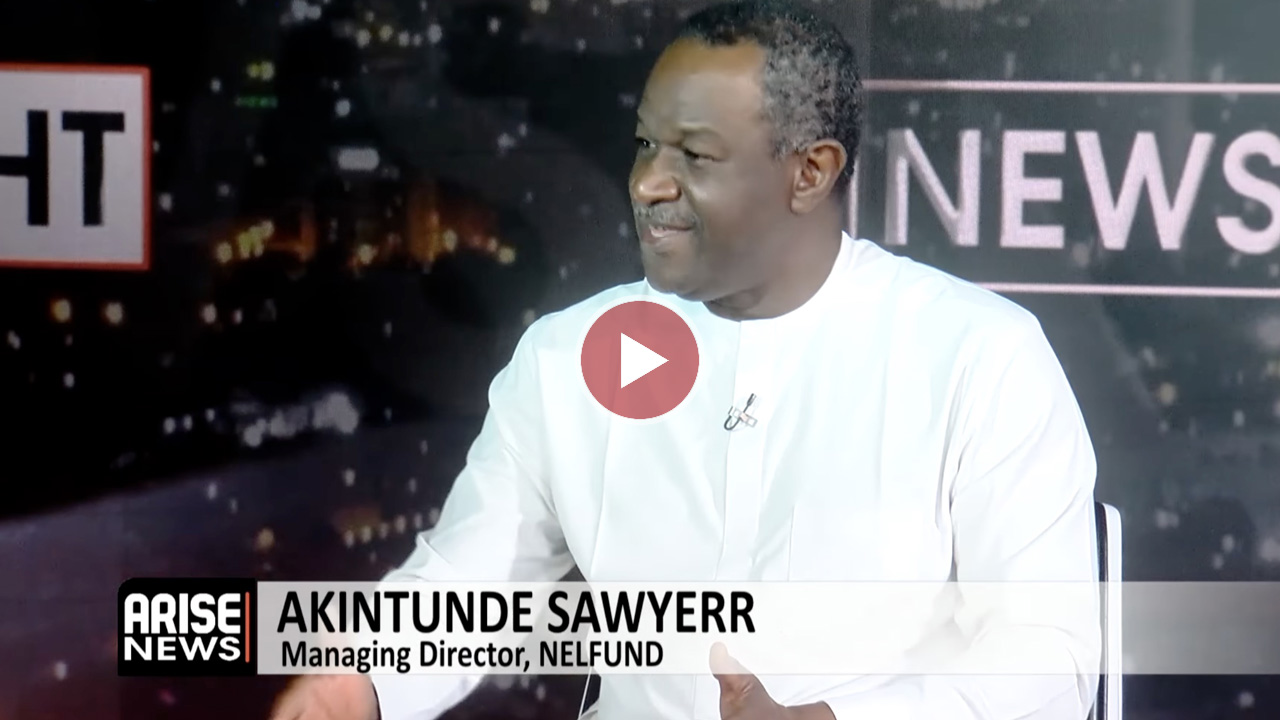
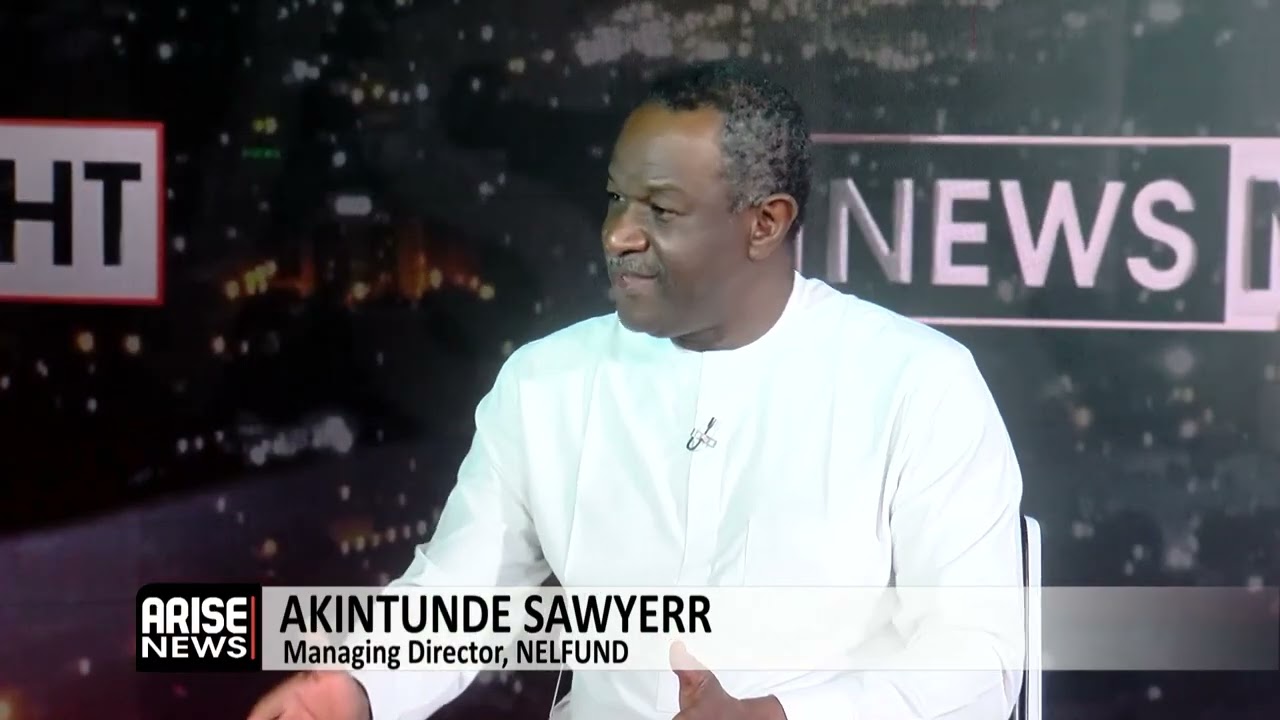
The Managing Director of the Nigerian Education Loan Fund (NELFUND), Akintunde Sawyerr, has disclosed that the Fund has disbursed ₦161 billion to more than 864,000 student beneficiaries, describing the uptake of the student loan scheme as strong and steadily increasing.
Speaking in an interview with ARISE News on Tuesday, Sawyerr said the figures reflect growing demand for the programme and the government’s resolve to expand access to tertiary education by easing financial barriers for Nigerian students.
“First of all, let me correct the numbers. Since the figures that were previously given, the numbers have gone up. So far, we have disbursed ₦161 billion, and there are over 864,000 beneficiaries. So it’s good news all around. There’s demand, and those demands are being met.”
Addressing concerns over the temporary pause in applications and the introduction of new guidelines for the monthly upkeep allowance, Sawyerr clarified that stipends were never suspended, explaining that payments are tied strictly to a student’s active period in school.
“We never actually stopped the stipend. What happens is that you only receive the stipend when you’re in school. Even though the budgeting assumes a 12-month session, you only begin to receive the stipend from when your application is approved, which depends on when you applied.”
He explained that while some students who apply early may receive stipends for the full academic session, others who apply later would receive fewer months.
“There’s a big confusion out there which we’re trying to manage. These stipends are not automatic session-long payments; they are dependent on when you’re actually in session.”
Sawyerr said applications were briefly paused to allow NELFUND to review operations and strengthen its digital infrastructure.
“This is a brand-new scheme, and you have to take stock periodically. Our system is totally without human interface; it’s technology-dependent. With technology, you must upgrade, iron out glitches, learn from errors, and ensure it’s fit for purpose.”
He added that ICT directors in tertiary institutions were trained to improve verification and communication processes.
“We had to train ICT directors in tertiary institutions on how to upload, verify, and stay in constant communication with us so the system can be faster, more efficient, and more effective.”
On eligibility, the NELFUND boss said the scheme is guided strictly by law, stressing that applicants must be Nigerian citizens who gained admission through the Joint Admissions and Matriculation Board (JAMB).
“There is a law backing the establishment of NELFUND, and we operate within that law. To be eligible, you must be a Nigerian, which we verify using your National Identity Number. You must also have accessed the institution through JAMB.”
He confirmed that students admitted through direct entry without JAMB are currently excluded.
“That is exactly what I’m saying. We have set a standard, and that standard is that you must have accessed the institution through JAMB. This is not a scholarship; we are not checking intelligence or brilliance, but there has to be a standard.”
Sawyerr also spoke extensively on the need to balance academic education with vocational and technical training, warning that Nigeria currently produces too many graduates without practical skills.
“Every nation has thinkers and doers. You can’t have a country made up only of philosophers. This country has a disproportionate number of thinkers over doers. Many people want to work but don’t have the skills, qualifications, or adequate training.”
He described vocational skills as essential to national development.
“Vocational skills are critical to tapping into the potential of Nigeria’s youth. We can’t ignore thinkers, but somebody has to build what others design.”
While NELFUND initially focused on academic institutions, Sawyerr said preparations are underway to expand support for technical education.
“The technical training side in this country has gone to pot and needs rebuilding. The Ministry of Education is taking the lead, and we’re partnering with them. There’s a bit of a revolution going on there.”
However, he noted structural challenges in the vocational sector.
“Many people on the vocational side are undocumented. They don’t have NINs, bank accounts, or clear qualification levels. That’s why we started with the academic side, but there is a sharp focus on vocational training.”
On the rising cost of education, Sawyerr acknowledged the burden on parents but said the Fund was designed to remove financial barriers.
“Education is not cheap. Good education is not inexpensive. What the President is trying to do is give access by taking away the financial burden.”
He said NELFUND covers tuition and institutional charges in public tertiary institutions and provides stipends to support students’ daily needs.
“NELFUND pays the fees and provides a stipend so students can actually get to class and focus on their studies.”
Addressing sustainability, Sawyerr said the Fund is structured to outlive political administrations.
“In the long term, we need private sector participation. The President allowed NELFUND to seek donations and invest its funds so we’re not totally dependent on government.”
He added that the repayment structure is deliberately flexible to protect beneficiaries.
“This is an interest-free loan. Students don’t start repaying until two years after completing their NYSC, and only when they’ve found a job. Even then, repayment is through a 10 per cent deduction by the employer.”
Sawyerr stressed that repayment is only one aspect of sustainability.
“This programme is not entirely dependent on repayment. There are other mechanisms in place to ensure it continues. The President wants this to be a programme that lasts into eternity, because education never ends.”
Boluwatife Enome
About the Author