State government highlights resilience amid global pressures, pledges to translate economic gains into jobs, infrastructure, and improved living standards……
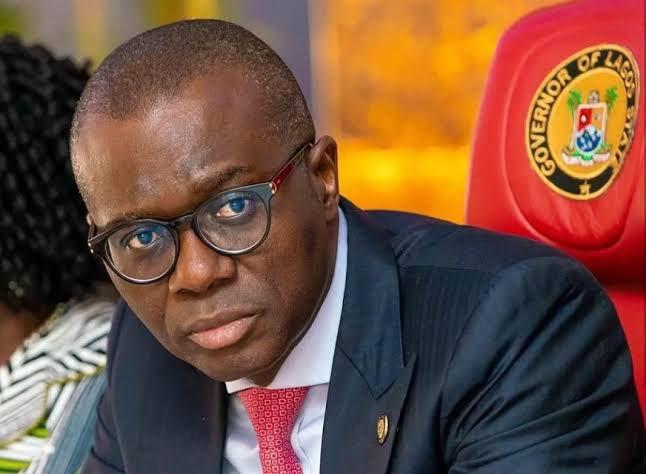
Lagos State Governor, Babajide Sanwo-Olu, on Tuesday unveiled the 2026 edition of the Lagos Economic Development Update (LEDU), reaffirming his administration’s focus on building a more inclusive and resilient economy.
The report, presented in Ikeja, offers a detailed assessment of Lagos’ economic performance and outlook, examining global, national, and local factors shaping the state’s growth trajectory.
Represented by his deputy, Obafemi Hamzat, the governor described the document as more than just a policy report, noting that it serves as a strategic guide for decision-making and long-term economic planning.
According to him, Lagos has remained resilient despite persistent global challenges, including post-pandemic recovery pressures, inflation, and exchange rate volatility. He attributed this stability to deliberate policy choices, fiscal discipline, and sustained investment in critical infrastructure.
“This platform has evolved beyond a mere policy document; it has become a compass guiding our economic direction,” he said, adding that the state’s approach is anchored on its T.H.E.M.E.S+ development agenda.
Sanwo-Olu pointed to measurable progress since the introduction of the LEDU framework, including the expansion of Lagos’ economic base driven by innovation, entrepreneurship, and digital transformation. He also highlighted improvements in revenue generation systems and continued infrastructure development across key sectors such as transportation, energy, and urban planning.
He stressed that investment in human capital remains central to the state’s strategy, noting that people are the primary drivers of sustainable growth.
The 2026 report is built around the theme: “Consolidating Resilience, Advancing Competitiveness, Delivering Shared Prosperity.” According to the governor, this reflects Lagos’ immediate priorities, strengthening institutions, boosting productivity, and ensuring that economic growth translates into real benefits for residents.
He explained that delivering shared prosperity means creating jobs, expanding opportunities, and improving living standards across the state.
Looking ahead, the administration plans to deepen economic diversification, promote private sector-led growth, strengthen data-driven governance, and advance sustainable urban development. The governor also emphasised the need for stronger collaboration with private investors, development partners, and civil society.
Commissioner for Economic Planning and Budget, Ope George, said the state has demonstrated strong resilience in the face of both domestic and global economic shocks.
“Lagos is not just responding to economic challenges we are building systems that make us stronger because of them,” he said, noting that disciplined fiscal management and strategic investments have reinforced the state’s position as one of Africa’s leading subnational economies.
In his remarks, economic consultant Biodun Adedipe described the LEDU initiative as a credible tool for tracking economic performance and refining policy direction. He подчеркed Lagos’ central role in Nigeria’s economy, noting that its growth has wide-reaching national implications.
Similarly, Tayo Adeloju, chief executive officer of the Nigerian Economic Summit Group, called for greater focus on affordable housing as a key driver of inclusive growth. He warned that rising housing costs could limit upward mobility, particularly for low-income earners.
Adeloju added that maintaining fiscal discipline, improving service delivery, and expanding the state’s productive base would further strengthen Lagos’ economic standing.
With the latest economic outlook now unveiled, the state government is positioning itself to move beyond resilience towards sustained competitiveness and broader prosperity for its growing population.