The South African Local Government Association (Salga) has asked the president to back municipalities financially and administratively to restore the country’s towns and cities.
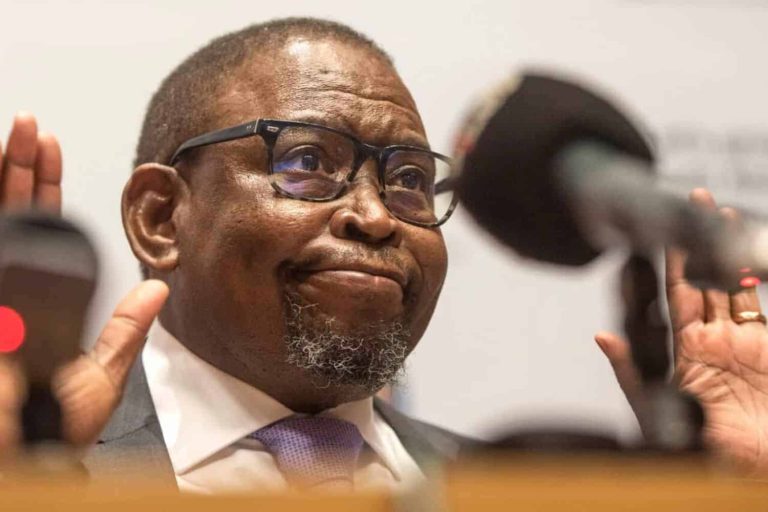
Salga President Bheke Stofile on Tuesday spoke during the debate on President Cyril Ramaphosa’s State of the Nation Address (Sona), where he highlighted the financial gap that needs to be bridged.
During his Sona last week, Ramaphosa listed a host of local government interventions, with Stofile reminding the executive that citizens cared more for their daily experiences than words.
Too many functions for local government
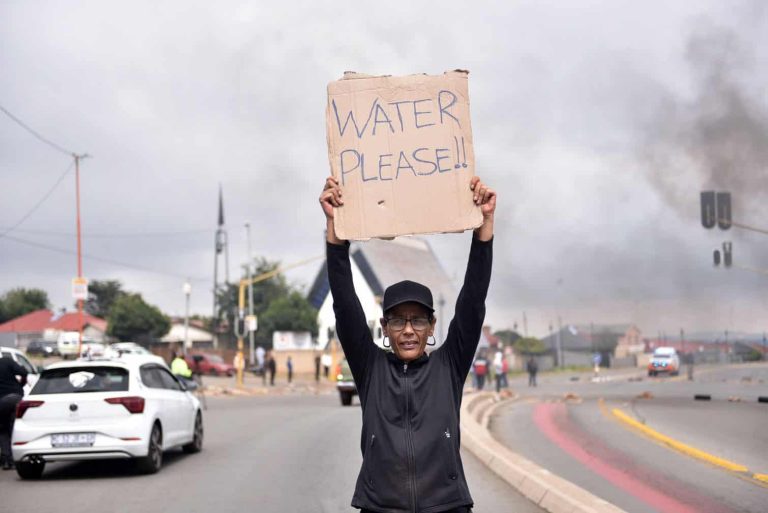
At the peak of the national conversation about water, Ramaphosa last week announced the formation of a National Water Crisis Committee, which he will chair.
The president explained that criminal charges had been laid against 56 municipalities and warned municipal managers they could face charges in their personal capacity for violating the National Water Act.
However, the issue of local government goes far deeper than water infrastructure, with the president referencing the revised White Paper on Local Government designed to improve municipal functioning.
“The white paper will reimagine the way that local government works. The current system is too complex and fragmented, expecting even small and weak municipalities to take on many responsibilities,” he said.
Ramaphosa added that some municipalities were taking on too much responsibility, stating that cooperation, professionalisation and depoliticisation are necessary.
“Where municipalities fail, we will strengthen the ability of national government to intervene more quickly and to direct corrective measures in the interests of serving our people better,” said Ramaphosa.
R1.5 trillion funding injection
Stofile agreed that municipalities had a wide range of functions but argued that they lack the funding needed to perform these operations.
“Municipalities are expected to generate approximately 90% of their revenue internally, despite sluggish economic conditions and limited affordability in many communities.
“Local government is accountable for approximately 46% of government functions, yet municipalities receive only about 9.5% of the total government budget,” said Stofile.
He explained that if municipalities were to restore neglected areas and operate optimally, they would need to bridge a funding gap of R1.5 trillion and receive an annual commitment of R150 billion.
To fund this, Stofile said those who owe municipalities need to pay up.
“Municipalities are owed around R400 billion by government, businesses and communities, while they owe Eskom and water boards about R120 billion.
“If the state expects municipalities to deliver, then the state, business and society must also honour their payment obligations, and the rules must be applied consistently.
He added that “integrated enforcement” using state and private financial institutions should take preference.
“Banks should not collect bond fees when properties are in arrears to municipalities; the South African Revenue Service (Sars) should not issue refunds to taxpayers who have outstanding municipal debts,” Stofile urged.
Other options exist
Quoting exorbitant figures would be unnecessary if all spheres of government tightened their belts, advised DA Tshwane mayoral candidate Cilliers Brink.
“R1.5 trillion through the supply chains in government is probably a quarter of that if you have the correct supply chain – supply chains that are not corrupt, that are effective, that award tenders on time and do proper performance management.
“Those figures can scare people but it is important that they don’t induce passivity over what should be done because they are new mechanisms through which infrastructure can be funded,” he told The Citizen.
Brink was in Johannesburg on Wednesday promoting community upliftment precincts (CUP), which act as community-funded micro-service delivery projects that ease municipal maintenance responsibilities.
Citing privately operated water concession agreements in Mbombela and KwaDukuza, Brink said there are already existing avenues for government to use.
“There are provisions in the Municipal Systems Act with which you can decide that you can use different mechanisms to effect service delivery.
“Just like the country is looking, through Operation Vulindlela, at private operations for funding of ports and railways, we have to consider those options for water, electricity and basic municipal infrastructure,” Brink concluded.
NOW READ: How much money flows from South Africa to SADC countries? Here’s the breakdown