Health authorities in the Americas are warning of a renewed increase in chikungunya cases, with the Pan American Health Organization (PAHO) reporting a rise in infections, including in areas that had not seen the virus for years, such as parts of the United States.
The alert, issued on February 10, 2026, notes that while chikungunya is rarely fatal, it can cause severe and long-lasting symptoms, including joint pain and fatigue.
As of epidemiological week 4 in 2026, PAHO recorded 7,150 suspected cases, with 2,351 confirmed and one death. This follows a significant outbreak in 2025, when the region reported 313,132 cases across 18 countries and one territory, including 113,926 confirmed infections and 170 deaths.
Areas with notable activity include central-western and southeastern Brazil, southern Bolivia, and parts of the Guiana Shield, Guyana, French Guiana and Suriname, where local transmission had been absent for nearly a decade.
PAHO stressed that although chikungunya often follows cyclical patterns, its return in previously quiet regions highlights the need for vigilance, monitoring, and public health preparedness.
Three main genotypes of the chikungunya virus exist globally: West African, East/Central/South African, and Asian. The Indian Ocean lineage, carrying the E1-A226V mutation, is more easily transmitted, increasing its potential spread.
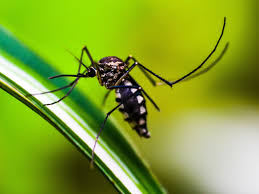
The disease is primarily spread by Aedes aegypti and Aedes albopictus mosquitoes, which also transmit dengue and Zika viruses, both reported in the Americas in 2026.
On a positive note, chikungunya vaccines are expected to become available this year. Virus-like particle vaccines, such as VIMKUNYA, are recommended for travelers to outbreak areas and will be offered at certified travel clinics in the U.S., providing a new measure to prevent infections.
About the Author