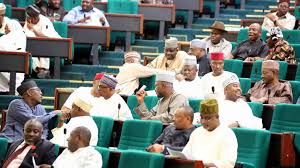
Nigeria’s House of Representatives is set to consider the Electoral Bill 2025 on Tuesday, December 16, which proposes major reforms to Nigeria’s election process, including reducing the time for filing and resolving election petitions.
The bill shortens the period for election petitions from 180 to 150 days, with petitions to be filed within 21 days of result announcements and judgments delivered within 150 days. It also seeks to discourage frivolous cases by imposing heavy fines on candidates and their legal counsel who challenge results outside the allowed grounds.
Political parties presenting unqualified candidates could face fines, and the bill allows courts to disqualify such candidates. If an election has been held before disqualification, the candidate with the second-highest valid votes who meets constitutional requirements would be declared the winner.
The law retains the 360-day notice of elections from the 2022 Electoral Act but extends the candidate nomination submission period from 180 to 210 days to give INEC sufficient processing time. Candidate withdrawals must now be submitted in writing and with an affidavit at least 90 days before the election.
Resident Electoral Commissioners (RECs) will report directly to INEC and be subject to disciplinary measures, though the President retains removal powers with Senate approval. Downloadable voter cards with unique QR codes will be valid for accreditation and elections, and political party registration fees are set at N50 million, with fines for providing false information.
To prevent manipulation of party primaries, parties must submit membership registers to INEC at least 30 days before primaries, congresses, or conventions. Only members in the register can vote or be nominated and non-compliance bars parties from presenting candidates.
The bill restricts courts from hearing internal party disputes, with fines of at least N10 million for both plaintiffs and their counsel if they violate this provision. Candidates found to financially induce delegates could face up to two years in prison.
Additionally, the law raises the maximum allowable donations to a candidate from N50 million to N500 million and increases election expense limits for all elective positions.
The House’s consideration of the bill could reshape Nigeria’s electoral landscape ahead of the 2027 general elections.
About the Author