The House of Representatives has begun legislative work on a bill seeking major amendments to the Central Bank of Nigeria Act, aimed at strengthening transparency, governance and oversight at the apex bank.
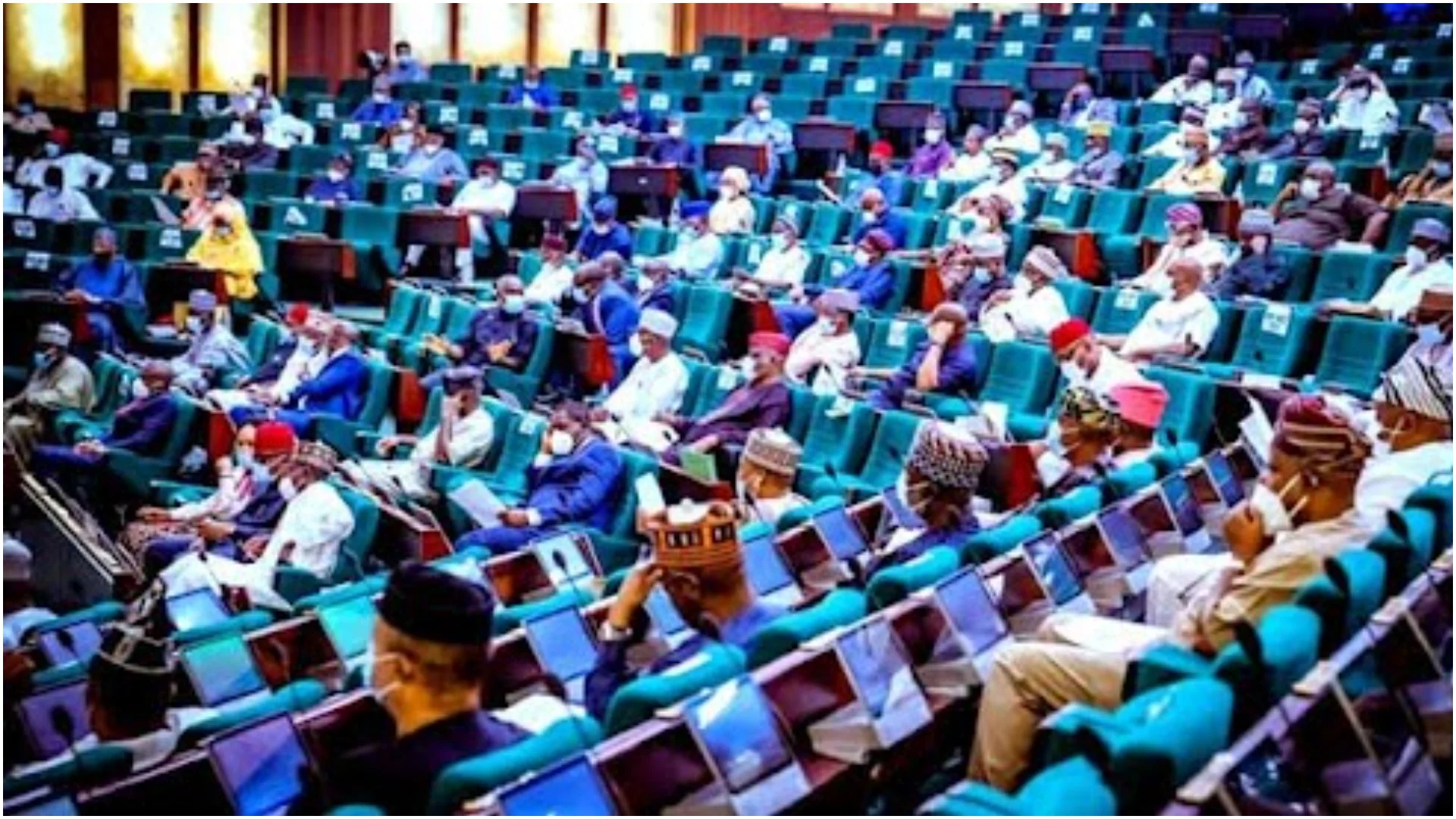
The bill, co-sponsored by House Leader Julius Ihonvbere and Jesse Onakalausi from Lagos, scaled second reading without opposition during plenary.
Titled “A Bill for an Act to Amend the Central Bank of Nigeria Act, 1991, to allow for proper day-to-day operations, professional oversight, and enhance checks and balances, and for other matters connected thereto, 2025,” the bill responds to mounting concerns about gaps in governance and oversight at the apex bank.
These issues gained national prominence following recent controversies surrounding monetary policy decisions, foreign exchange management, and the 2022 currency redesign.
While leading debate on the bill, Onakalausi said recent economic developments had made reforms unavoidable.
Explaining the rationale behind the bill, Onakalausi said, “The CBN plays a central role in stabilising the financial system, ensuring monetary credibility, safeguarding price stability, and promoting public confidence in the Nigerian economy.”
He cited governance lapses, FX distortions, poor policy communication and “weak oversight mechanisms” as some of the issues the bill seeks to address.
He stated, “Developments in recent years – ranging from governance concerns, foreign exchange distortions, monetary policy inconsistency, weak oversight mechanisms, to the challenges witnessed around currency redesign and policy communication – have exposed structural gaps in the principal Act.”
Onakalausi said a key objective of the bill is restoring sound corporate governance.
He argued that in most jurisdictions, the governor manages day-to-day operations while the Board provides oversight an arrangement that ensures institutional balance.
About the Author