Public Hearing Set for Monday on Bill to Oversee Nigeria’s Booming Financial Technology Sector….
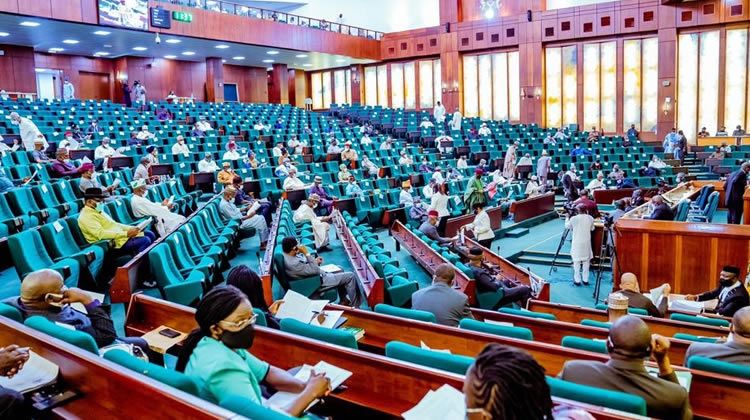
Nigeria’s House of Representatives will on Monday hold a public hearing on a bill seeking to establish a dedicated regulatory commission for the country’s fast-growing fintech industry.
The hearing will be conducted by a joint panel of committees covering digital and electronic banking, banking regulations, science and technology, communications, and capital markets and institutions, reflecting the wide regulatory impact the proposed body would have if created.
The bill, sponsored by Fuad Laguda, who represents Surulere I Federal Constituency of Lagos State under the All Progressives Congress (APC), passed second reading in October 2025 and has since advanced to the public consultation stage.
A New Watchdog for Fintech
If enacted, the proposed commission would regulate and supervise Nigeria’s expanding fintech ecosystem, a sector that has witnessed explosive growth in digital payments, mobile banking, lending platforms and blockchain-driven services.
The commission is expected to operate through specialised departments, with regional offices across the country’s six geopolitical zones to ensure nationwide coverage.
Oversight would rest with a 14-member governing board comprising a chairman and commissioners representing each geopolitical zone. Board members, according to the bill, must possess expertise in finance, public administration or related fields.
Financial Autonomy and Policy Oversight
One of the bill’s notable provisions is financial independence. The commission would have the authority to operate a dedicated fund sourced from National Assembly appropriations, licensing fees and other revenue streams.
While the new body would handle supervision and enforcement, the Minister of Finance would retain responsibility for formulating and monitoring broad policy direction for the fintech sector.
Under the proposed framework, the commission would have powers to:
- Conduct investigations into fintech operations
- Publish regulatory findings
- Maintain official registers of licences and agreements
- Develop consumer protection codes
- Establish complaint resolution mechanisms
Supporters of the bill argue that the speed of digital innovation now requires a more focused and coordinated regulatory structure.
Why Now?
Nigeria’s fintech space has expanded rapidly over the past decade, attracting billions of dollars in venture capital and positioning the country as one of Africa’s leading digital finance hubs. However, the surge in digital transactions has also raised concerns around investor protection, data security and fund mismanagement.
Existing regulators including the Central Bank of Nigeria (CBN), Securities and Exchange Commission (SEC), and National Information Technology Development Agency (NITDA) have introduced measures to address risks within the evolving ecosystem.
In October 2024, the SEC signalled plans to strengthen enforcement within the fintech landscape to curb misuse of funds and ensure compliance with existing regulations.
The proposed commission, if approved, would centralise oversight and potentially streamline regulatory coordination across agencies.
What Happens Next?
Monday’s public hearing will allow stakeholders including fintech operators, financial institutions, investors and consumer groups to present their views on the bill.
For lawmakers, the outcome could shape the next phase of Nigeria’s digital economy. For operators and investors, it may determine how innovation and regulation coexist in one of Africa’s most dynamic financial technology markets.
As the debate unfolds, the key question remains: will a new commission unlock greater stability and investor confidence or add another layer to Nigeria’s regulatory landscape?
About the Author