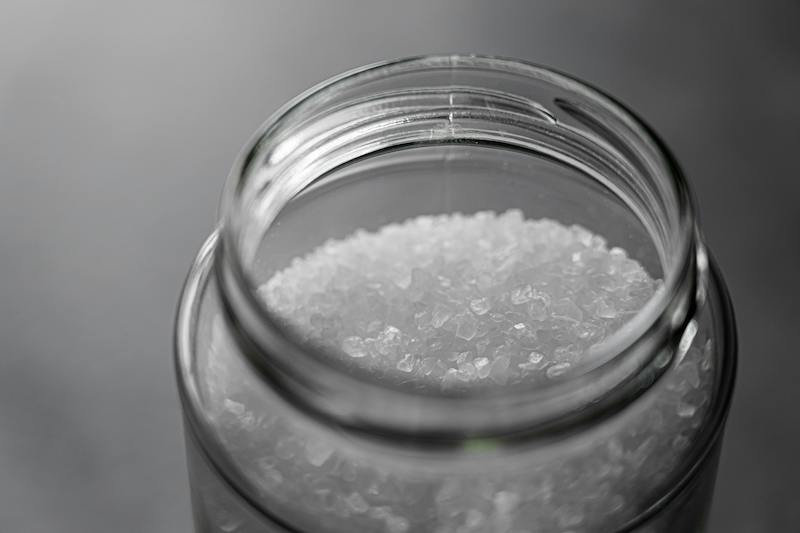
Manufacturers often add salt to processed foods to prolong shelf life.
Reducing the sodium in pre- packaged and prepared foods may prevent thousands of cases of heart disease, stroke, and death, according to two new studies.
The studies, published early Monday in the journal Hypertension, took place in France and the United Kingdom, countries where food giants have subtly reduced salt levels in store-bought foods.
Using national diet and health data, researchers in France estimated that modest decreases in bread salt content could cut adults’ daily salt intake by 0.35 grams, lower their blood pressure and prevent more than 1,100 deaths.
Researchers from the U.K. estimated that similar salt reductions in packaged foods and takeout meals could lower daily British sodium intake by 17.5 per cent, preventing more than 100,000 cases of heart disease and 25,000 cases of stroke over 20 years.
Sodium plays important health roles, like helping blood vessels hold water. However, about 90 per cent of Americans consume too much of it, according to the American Heart Association.
Excessive sodium raises the risk of high blood pressure, a risk factor for issues such as cardiovascular disease, long-term kidney disease and cognitive decline. In the United States, most sodium intake comes from foods prepared outside the home, experts say.
“Americans on average get about 75 percent of their food from processed food of some kind—either processed foods from grocery stores, or foods that are bought at restaurants or fast-food restaurants,” Dr. Daniel Jones, professor and dean emeritus at the University of Mississippi School of Medicine and chair of the 2025 American Heart Association/American College of Cardiology Blood Pressure Guideline, told ABC News.
Manufacturers often add salt to processed foods to prolong shelf life and enhance flavor. Minimal cuts in salt, which the researchers said would not greatly affect taste, may have a significant health impact.
American adults consume on average 3,500 milligrams of sodium daily, well above the AHA-recommended limit of 2,300 mg, or a tablespoon of salt, said Dr. Latha Palaniappan, associate dean for research at Stanford University School of Medicine.
The daily limit for those with high blood pressure is even lower at 1,500 mg. While processed foods may be difficult to entirely avoid, experts say cutting back on them may lead to meaningful health benefits.
“One of the things I advise my patients about is to shop as much as they can on the periphery of the grocery store. That’s generally where fresh foods are,” Jones said.
Natural whole foods, like fresh produce, are especially healthy.
“I tell my patients to eat foods with peels, not packages, to lower their overall intake of sodium,” Palaniappan said.
“Read labels, be cautious with packaged foods, and prioritize fresh, minimally Manufacturers often add salt to processed foods to prolong shelf life and enhance flavor.
Minimal cuts in salt, which the researchers said would not greatly affect taste, may have a significant health impact. American adults consume on average 3,500 milligrams of sodium daily, well above the AHA-recommended limit of 2,300 mg, or a tablespoon of salt, said Dr. Latha Palaniappan, associate dean for research at Stanford University School of Medicine.
The daily limit for those with high blood pressure is even lower at 1,500 mg. While processed foods may be difficult to entirely avoid, experts say cutting back on them may lead to meaningful health benefits.
“One of the things I advise my patients about is to shop as much as they can on the periph- ery of the grocery store. That’s generally where fresh foods are,” Jones said.
Natural whole foods, like fresh produce, are especially healthy.
“I tell my patients to eat foods with peels, not packages, to lower their overall intake of sodium,” Palaniappan said.
“Read labels, be cautious with packaged foods, and prioritize fresh, minimally Manufacturers often add salt to processed foods to prolong shelf life and enhance flavor.
Minimal cuts in salt, which the researchers said would not greatly affect taste, may have a significant health impact. American adults consume on average 3,500 milligrams of sodium daily, well above the AHA-recommended limit of 2,300 mg, or a tablespoon of salt, said Dr. Latha Palaniappan, associate dean for research at Stanford University School of Medicine.
The daily limit for those with high blood pressure is even lower at 1,500 mg. While processed foods may be difficult to entirely avoid, experts say cutting back on them may lead to meaningful health benefits.
“One of the things I advise my patients about is to shop as much as they can on the periphery of the grocery store. That’s generally where fresh foods are,” Jones said. Natural whole foods, like fresh produce, are especially healthy.
“I tell my patients to eat foods with peels, not packages, to lower their overall intake of sodium,” Palaniappan said.
“Read labels, be cautious with packaged foods, and prioritize fresh, minimally Manufacturers often add salt to processed foods to prolong shelf life and enhance flavor. Minimal cuts in salt, which the researchers said would not greatly affect taste, may have a significant health impact. American adults consume on average 3,500 milligrams of sodium daily, well above the AHA-recommended limit of 2,300 mg, or a tablespoon of salt, said Dr. Latha Palaniappan, associate dean for research at Stanford University School of Medicine.
The daily limit for those with high blood pressure is even lower at 1,500 mg. While processed foods may be difficult to entirely avoid, experts say cutting back on them may lead to meaningful health benefits.
“One of the things I advise my patients about is to shop as much as they can on the periphery of the grocery store. That’s generally where fresh foods are,” Jones said.
Natural whole foods, like fresh produce, are especially healthy.
“I tell my patients to eat foods with peels, not packages, to lower their overall intake of sodium,” Palaniappan said.
“Read labels, be cautious with packaged foods, and prioritize fresh, minimally Manufacturers often add salt to processed foods to prolong shelf life and enhance flavor. Minimal cuts in salt, which the researchers said would not greatly affect taste, may have a significant health impact.
American adults consume on average 3,500 milligrams of sodium daily, well above the AHA-recommended limit of 2,300 mg, or a tablespoon of salt, said Dr. Latha Palaniappan, associate dean for research at Stanford University School of Medicine.
The daily limit for those with high blood pressure is even lower at 1,500 mg. While processed foods may be difficult to entirely avoid, experts say cutting back on them may lead to meaningful health benefits.
“One of the things I advise my patients about is to shop as much as they can on the periphery of the grocery store. That’s generally where fresh foods are,” Jones said.
Natural whole foods, like fresh produce, are especially healthy. “I tell my patients to eat foods with peels, not packages, to lower their overall intake of sodium,” Palaniappan said. “Read labels, be cautious with packaged foods, and prioritize fresh, minimally processed foods.”
About the Author