Red tide strikes the West Coast as many as five or six times a year, according to Walter Steenkamp, chairperson of Coastalink Northern Cape and Aukotowa Fisheries, the first fishing cooperative established in South Africa in 2020.
“The main cause of this red tide is overgrowth by plants in the ocean that take all the nitrogen and phosphorus in the ocean away and can kill marine life,” Steenkamp said.
Affected marine life includes snook, caper, rock lobster and shellfish.
He warns that the long-term consequences extend beyond fish kills.
According to Steenkapm, the decomposing algae release carbon dioxide, contributing to the greenhouse gases already driving climate change, and the disruption to food webs could affect fishing communities for years even after the red tide disappears.
Elands Bay lobster washout triggers emergency response
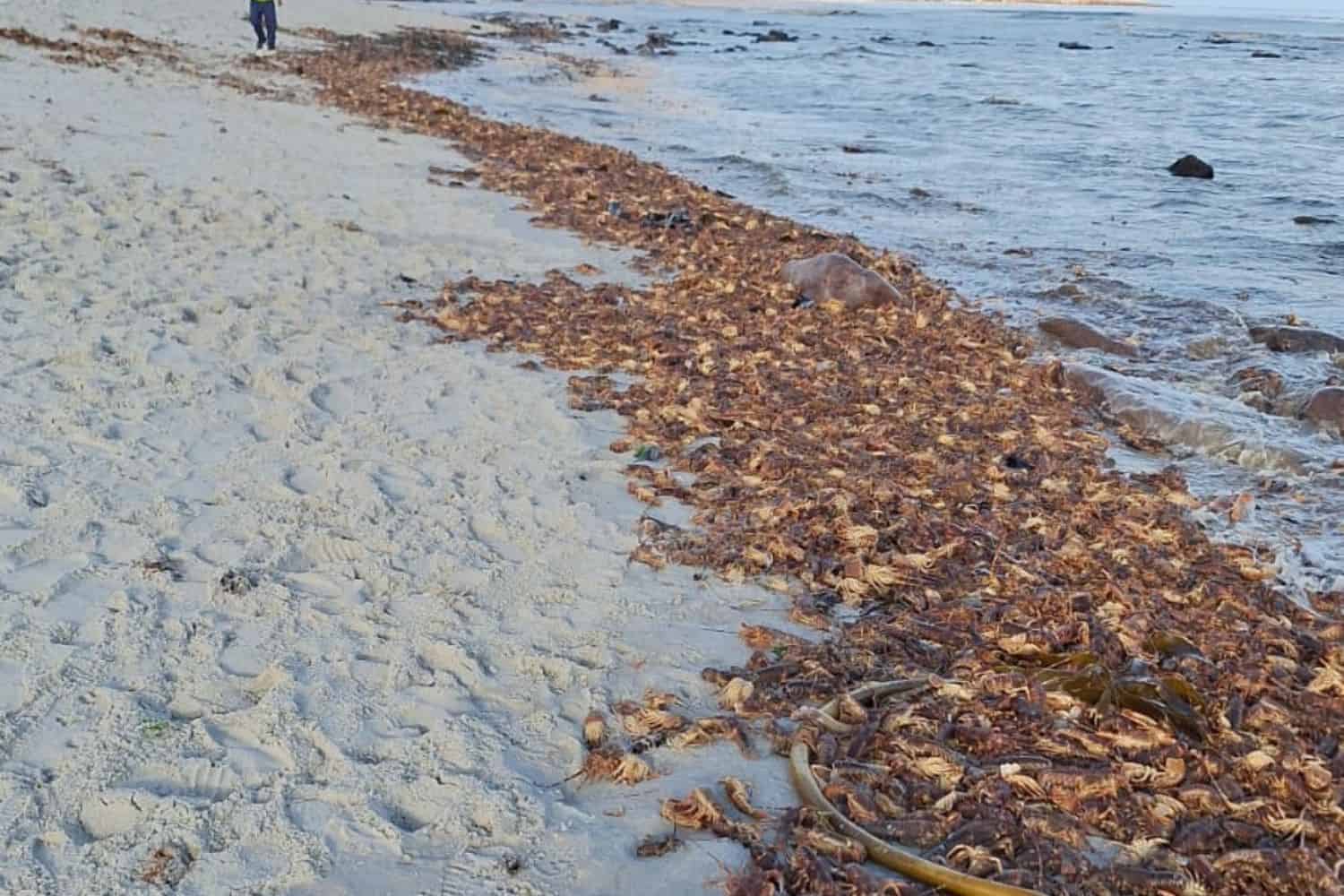
The latest outbreak has hit Elands Bay particularly hard. The Department of Forestry, Fisheries and the Environment (DFFE) confirmed this week that red tide conditions have caused large-scale marine walkouts and mortalities, with significant numbers of West Coast rock lobster and other fish species washing ashore.
The department has activated its West Coast Rock Lobster Walkout Contingency Plan, with officials removing and relocating live lobsters to areas with stable oxygen levels, collecting and disposing of dead marine life, monitoring oxygen levels and algal activity, and conducting scientific assessments of affected stocks.
It warned the public that washed-up seafood is not safe to eat.
“The time of death of these cannot be confirmed. Exposure to algal toxins and bacterial contamination poses a serious health risk. Consumption may result in severe illness or death,” the department said.
ALSO READ: Don’t eat the seafood: Residents warned not to collect washed-up deadly crayfish
Poachers exploit the crisis as communities go hungry
As desperate communities scramble to salvage what they can, authorities have moved to crack down on illegal harvesting.
The South African Police Service (Saps) on Friday stated that it had issued an early warning to the Elands Bay community on Wednesday that arrests would follow for anyone found in possession of lobsters.
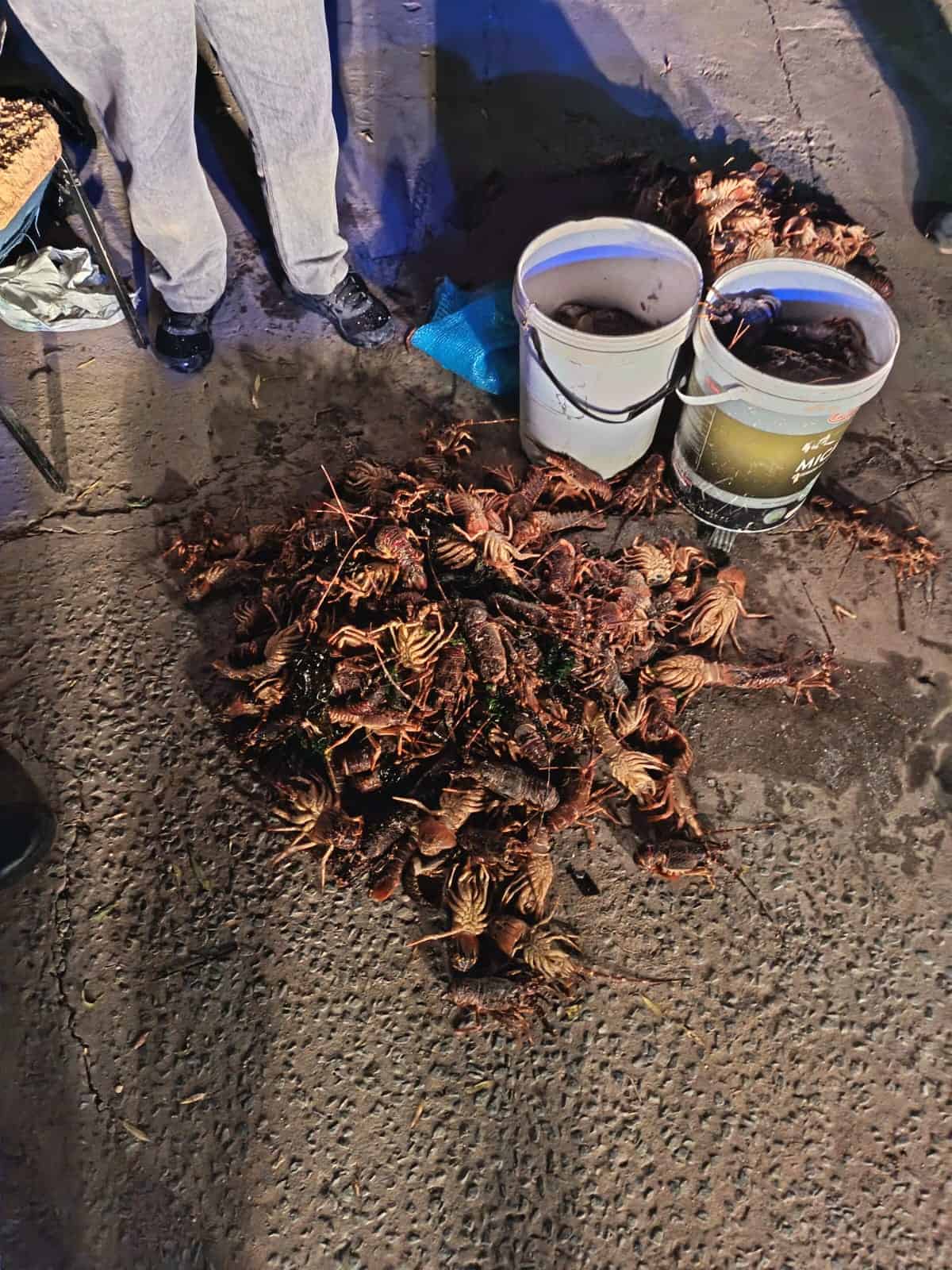
Within 24 hours, five suspects, aged between 20 and 83, were arrested after a high-speed pursuit in heavy mist.
Police found 418 West Coast rock lobsters, a tail and an octopus with an estimated street value of R209 150 in their vehicle.
‘We cannot put food on our table’
For the fishing families bearing the brunt of the red tide, the economic damage is devastating.
Ernest Titus, a small-scale fisherman from a West Coast community, told The Citizen that the fish he catches are rotting and the authorities have not done enough to protect the environment.
He believes offshore oil and gas exploration is contributing to ocean oxygen depletion and is urging the community to be cautious about buying crayfish that may be contaminated.
Steenkamp echoed the despair felt across his community, where the recurring crisis has made it impossible to earn a sustainable living.
“We as a community suffer a lot from this kind of intervention that happened next to our coastline because we cannot make any viable economic sustainable and put food on our table and send our children to school,” he said.
He added that there is currently nothing adequate in place to monitor or prevent the red tide, and that the long-term impact will mean loss of biodiversity, shifts in ecosystem structure and lasting economic harm to fishing communities.
Coastal communities calling for justice, not charity
The red tide crisis is unfolding against a broader backdrop of systemic exclusion facing South Africa’s small-scale fishers.
The Green Connection, an eco-justice organisation, has called on the Presidential Climate Commission to include dedicated ocean and coastal community representatives, and submitted evidence to the South African Human Rights Commission’s National Investigative Hearing into the country’s food systems.
Steenkamp described how the compounding pressures of red tide, policy failures and market exclusion pushed many fishers into a desperate 2024.
“Last year, many small-scale fishers had no income at all. It was a Black Christmas for our communities,” he said.
His ask to the SAHRC inquiry is straightforward: “We hope this inquiry will result in the recognition of our customary rights, the return of our fishing grounds, and for government to listen to those of us who live from the sea, so that we can feed our families with dignity.”
ALSO READ: Proposed Cape Town sea reclamation project to unlock 30 000 jobs and R8 billion in GDP
A system failing the people who feed it
The red tide crisis is unfolding against a backdrop of deeper, systemic exclusion.
Across the Western and Eastern Cape, small-scale fishers describe a food system that consistently sidelines the very people sustaining it.
Kristie Links from the Sal-Diaz Small-Scale Fisher Co-operative in Saldanha Bay said, despite government claims of increased allocations, near-shore access has actually been reduced and fishing seasons are getting shorter.
“Small-scale fishers are forced to use bigger boats, which we cannot afford, and the areas we are given have little or no fish. Yet industrial boats continue to overfish, especially at night, while our communities struggle to put food on the table,” she said.
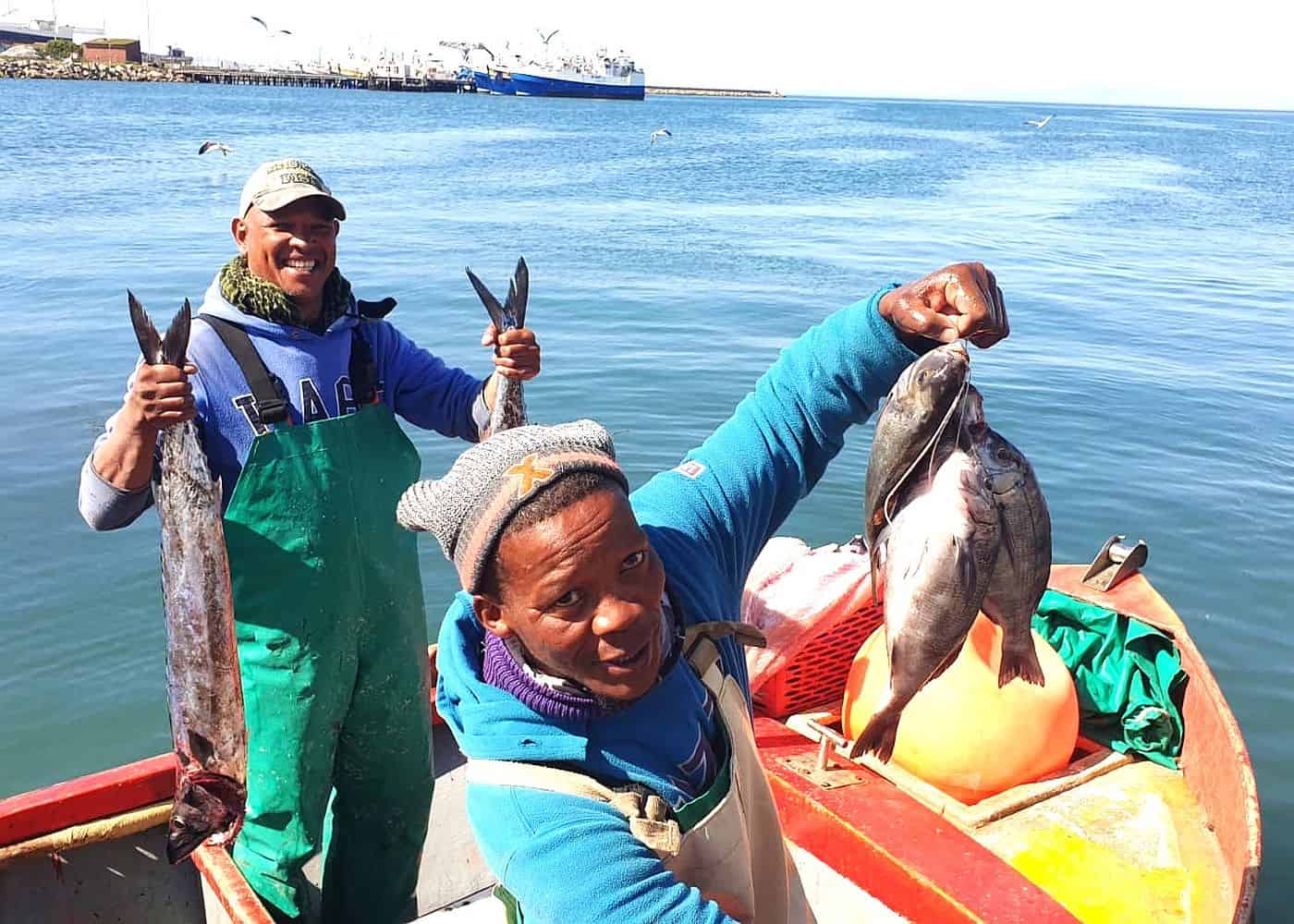
In the Eastern Cape, Reinette Melisa Pullen from Moeg Gesukkel Visserye Co-operative described a community without its own boats, reliant on squid permits, where commercial operators take the lion’s share of the catch. After a particularly poor season, incomes have dwindled further. “Fish is perishable, but our lives are not disposable,” she said. “When small-scale fishers are supported, it strengthens food security for the entire country.”
Coastal communities need a seat at the climate table
In an open letter to the Presidential Climate Commission in January, the Green Connection called for dedicated ocean and coastal community representation among civil society commissioners.
It argued that South Africa’s more than 3 000km coastline and the communities depending on it cannot be an afterthought in climate policy.
The organisation also made a formal submission to the South African Human Rights Commission’s National Investigative Hearing into the country’s food systems, calling for urgent attention to the inequality facing small-scale fishers.
Khetha Buthelezi, Economics Officer at The Green Connection, said the link between food, dignity and the ocean is inseparable.
“For small-scale fishing communities, food from the ocean is not merely a commodity – it is a foundation of identity, survival and social cohesion,” Buthelezi said.
The organisation also raised concerns about offshore oil and gas expansion under Operation Phakisa, warning that seismic surveys, drilling and increased shipping activity threaten fish stocks and restrict access to traditional fishing grounds.
“For small-scale fishers, these are not abstract environmental issues,” Buthelezi said. “It is about income stability, cultural survival and the constitutional rights to food, livelihoods and participation in decision-making, and protecting these rights and resources for future generations.”
READ NEXT: Health alert: Fisheries department warns public against white mussels and shellfish
About the Author