Tinubu’s administration insists settlement is verified and transparent, but power firms raise concerns over discrepancies…..
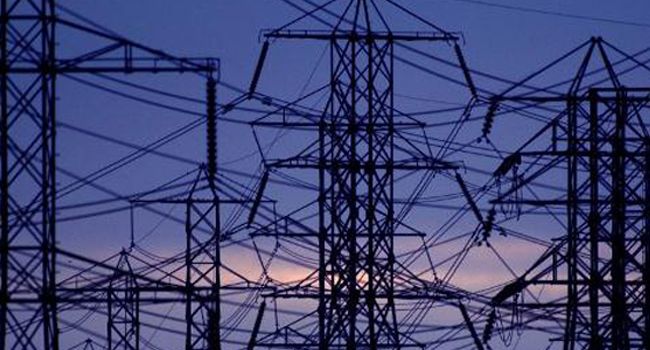
The Presidency has moved to clear the air over mounting controversy surrounding the Federal Government’s ₦3.3 trillion plan to settle longstanding debts owed to power generation companies, insisting the figure is the outcome of a rigorous verification process.
The initiative, approved by President Bola Tinubu under the Presidential Power Sector Financial Reforms Programme, is aimed at addressing liquidity challenges in Nigeria’s electricity sector and improving power supply nationwide.
According to a statement issued by presidential spokesperson Bayo Onanuga, implementation of the repayment plan is already underway. So far, about ₦223 billion has been disbursed, with additional payments in progress.
The Presidency disclosed that 15 power plants have signed settlement agreements worth ₦2.3 trillion, signalling growing participation from industry players.
Where the Controversy Began
Despite the rollout, the plan has sparked pushback from Generation Companies (GenCos), who are questioning how the government arrived at the ₦3.3 trillion figure.
Industry players argue that the amount does not align with previously reconciled figures agreed upon during earlier engagements with government agencies. Concerns have been raised over possible discrepancies in the computation of the debt, with some stakeholders insisting they were not fully carried along in the process.
The issue gained further traction after comments from Joy Ogaji, Chief Executive Officer of the Association of Power Generation Companies, who expressed dissatisfaction with the parameters used in determining the final figure.
Presidency Explains the Numbers
In response, the Presidency maintained that the settlement is not an arbitrary payout but a carefully structured reform effort designed to ensure fairness and fiscal responsibility.
Officials revealed that total claims across the electricity value chain initially stood at approximately ₦4.7 trillion. However, following a presidential review and a verification exercise approved by the Federal Executive Council, the figure was reduced by about 30 percent, resulting in the final ₦3.3 trillion settlement.
According to the government, only valid, contract-backed obligations were included in the final amount.
The goal, it said, is to “restore the sector not reward unverified claims,” while balancing the interests of operators and the broader Nigerian public.
How the Payment Plan Works
To avoid placing excessive pressure on public finances, the government is adopting a phased, market-based financing approach.
- ₦501 billion has already been raised from the domestic capital market
- Disbursements are tied to verified claims and signed agreements
- Payments are being released in stages, based on compliance and documentation
As of early 2026, multiple GenCos have signed onto the programme, with participation expanding steadily across the sector.
Beyond Debt Settlement
The Presidency emphasised that the initiative is part of a broader reform package aimed at repositioning Nigeria’s power sector.
Key measures include:
- Tariff adjustments linked to service quality
- Targeted support for vulnerable consumers
- Efforts to improve cost recovery and attract investment
Officials say the programme is designed to restore liquidity, stabilise electricity generation, and improve reliability over the long term.
A Sector at a Turning Point
Nigeria’s power sector has long struggled with mounting debts, weak revenue collection, and operational inefficiencies, leaving GenCos and gas suppliers burdened with unpaid invoices.
The current plan represents one of the most comprehensive attempts yet to reset the system—shifting from disputed claims to what the government describes as a more transparent, rules-based framework.
However, with GenCos still raising concerns over the figures, the success of the initiative may depend on how effectively the government can build trust and ensure alignment across all stakeholders.
For now, the Presidency maintains that the process is on track and that the ultimate goal remains a stable, reliable, and investable electricity market for Nigeria.