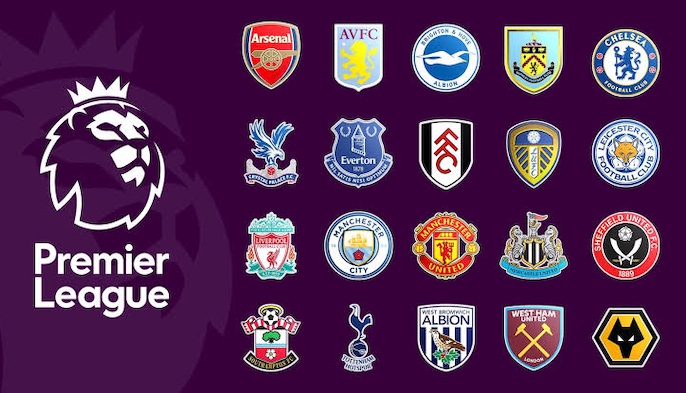
Premier League clubs are on course to collect nearly $600 million in Champions League prize money this season, underlining England’s growing financial dominance in European football.
A record six English teams entered this Champions League campaign, and five have already secured direct qualification to the round of 16 by finishing in the top eight of the new 36-team league phase. Arsenal, Liverpool, Tottenham, Chelsea and Manchester City each earned an additional €2 million for their top-eight finishes. Newcastle, the sixth English side, finished 12th and will be seeded in Friday’s knockout playoff draw.
In total, the English clubs are guaranteed at least €500 million in UEFA prize money, with the potential for far more. According to football finance expert Kieran Maguire, each club could approach or exceed €100 million, with semifinalists and finalists earning even larger payouts.
That haul represents more than 20% of UEFA’s total Champions League prize fund of nearly €2.5 billion this season. The scale of England’s earnings highlights the financial imbalance that once pushed clubs like Real Madrid, Barcelona and Juventus to pursue the failed Super League project five years ago a move strongly opposed in England.
On the pitch, Premier League strength has also been evident. Arsenal finished the league phase with a perfect record, while Liverpool and Tottenham placed third and fourth despite struggling domestically. Newcastle, considered England’s weakest Champions League performer, still finished ahead of multiple teams from Spain, Italy and Germany.
Spain’s earnings will be hit further after Athletic Club and Villarreal failed to reach the knockout phase, while Italy faces uncertainty with Inter Milan, Juventus and Atalanta all finishing outside the top eight.
Maguire warns that the Champions League’s expanded format is accelerating wealth concentration among a small group of clubs. Fueled by the Premier League’s multibillion-dollar global TV deals, even mid-table English teams can outspend elite clubs elsewhere in Europe on transfers and wages.
The new Champions League structure added four extra places, two of which are awarded annually to the strongest-performing leagues in Europe. England secured one of those spots last season and appears well positioned to do so again.
“This is effectively a Super League by stealth,” Maguire said, arguing that rival clubs must either accept their financial disadvantage or find smarter ways to compete.
Erizia Rubyjeana
About the Author