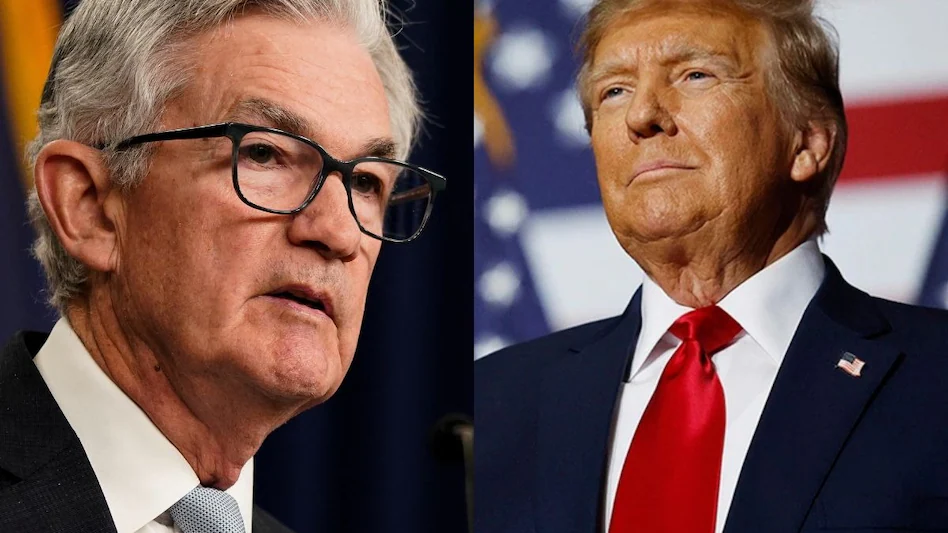
The Trump administration has intensified its pressure campaign on the U.S. Federal Reserve, threatening criminal action against Fed Chair Jerome Powell over his testimony to Congress regarding a building renovation project. Powell called the threat a “pretext” aimed at exerting political influence over interest rate decisions.
The escalation marks the latest episode in President Donald Trump’s long-running effort to push the Federal Reserve to sharply lower interest rates. The move has sparked immediate reactions in Washington and triggered turbulence in global financial markets.
Republican Senator Thom Tillis, a member of the Senate Banking Committee that confirms Fed nominees, warned that the threatened indictment undermines the Justice Department’s “independence and credibility.” Tillis, who is not seeking reelection this year, said he would oppose any Trump nominees to the Fed, including Powell’s potential successor, “until this legal matter is fully resolved.”
Financial markets responded swiftly. Long-term U.S. Treasury yields rose as investors weighed the potential consequences of a Fed seen as less independent, prompting concerns over inflation and monetary policy credibility.
Gold surged to record highs, the dollar fell, and major U.S. stock indexes opened lower, with bank stocks under particular pressure amid Trump’s proposal to cap credit card interest rates.
Jan Hatzius, chief economist at Goldman Sachs, noted at the bank’s global strategy conference in London, “Concerns over Fed independence have intensified, and the news of a potential criminal investigation into Chair Powell has reinforced those concerns.”
At stake is the Federal Reserve’s ability to set U.S. monetary policy free from political influence. While Trump and his supporters favor lower borrowing costs to address issues like mortgage affordability, compromising the Fed’s independence could risk long-term inflation control.
Measures to restrain inflation often require slowing the economy, which can raise unemployment—a trade-off central to the Fed’s mandate to maintain stable prices and maximum employment.
The latest developments underscore the tension between political objectives and central bank autonomy, with implications for domestic and global financial stability.
About the Author