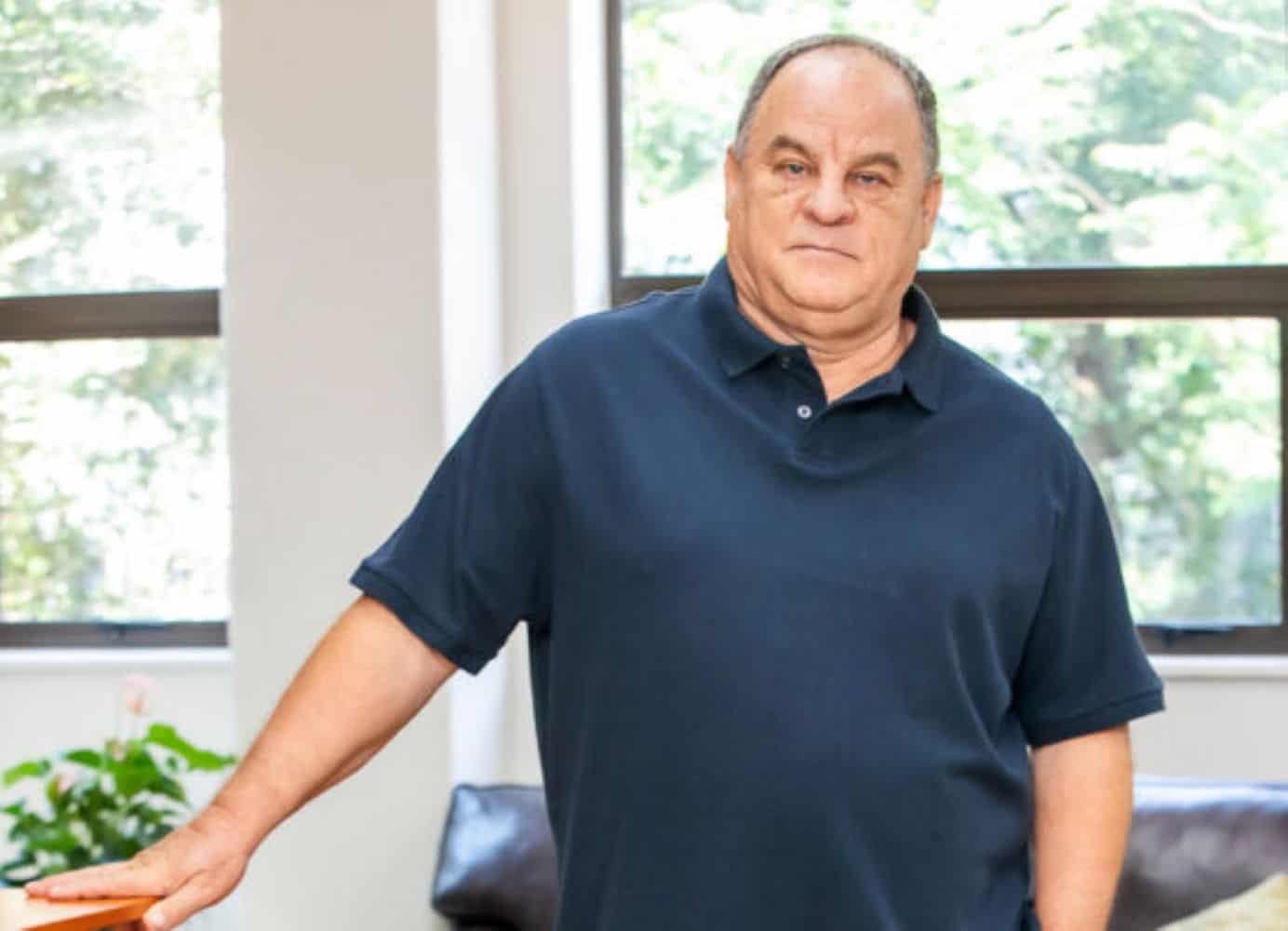
Port of Gauteng developer Francois Nortjé has brought an application before the Joburg High Court challenging the lawfulness of the Gauteng provincial government’s environmental approval for a new K148 road linking the N3 toll road to the Tambo Springs area south of Johannesburg.
The proposed 5km road cuts through a sensitive wetland ecosystem that is home to five Red Data bird species, as well as critical watercourses and environmental buffers.
Nortjé was previously granted an interdict, but the request for a judicial review of the decision was rejected.
The provincial government is appealing the interdict and Nortjé is appealing the court’s decision to turn down the review, arguing that the decision-making process that enabled the project to proceed was fraught with procedural, legal and environmental irregularities.
The Department of Environmental Affairs changed the environmental conditions for the new road without considering the impact on the wetlands, thereby making it easier for this road to be built.
“There are material inconsistencies and omissions in the approvals process,” says Nortjé.
ALSO READ: Port of Gauteng aims to revitalise rail, remove 30% of trucks from the N3
Wetland buffer ‘inexplicably’ shrunk
“In the base environmental application for the land development, environmental specialists appointed by the developer of that land originally recommended a 200m buffer around the wetland due to its ecological importance and sensitivity.
“This was inexplicably reduced to 30m by officials in the Department of Environmental Affairs in the development’s environmental application approval in 2012.
“The reason we have taken the legal route [is that] Port of Gauteng has a superior position in terms of roads, services and location, and we have no environmental issues.
“Now there are wannabe competitors to the Port of Gauteng, who have serious environmental and service issues, and they want to push the cost of the environment and road construction to the public,” adds Nortjé.
ALSO READ: Transnet moves ahead with plans to develop R2.5bn Gauteng port
Predetermined outcome
Nortjé says the environmental impact assessment (EIA) record of decision for the road was granted in 2015 with a 30m buffer.
He successfully challenged this in court, and the buffer was removed from the amended record of decision, which was issued in 2021. This time it included seven more properties.
This runs counter to the Gauteng Transport Infrastructure Act, which prohibits EIAs from being granted where preliminary designs have already been gazetted.
The final reports from the provincial government omitted any mention of the environmental risk from the road, including previous findings regarding wetland sensitivity.
Also omitted were any recommendations as to how to address impacts on the sewage plant over which the road is to be built, as well as the Transnet Petroleum Pipeline running from Heidelberg to Alberton.
Parks Tau, then environmental MEC for Gauteng, explained in a 2022 answering affidavit before the court that the intention from the outset was to authorise construction of the entire road so that development could commence.
ALSO READ: R37.2bn set aside to steer Gauteng economy towards growth
“The decision authorising the construction also authorised the crossing of wetlands in order to [allow] construction [of] the whole section of this provincial road, but there were conditions and/or findings in the K148 environmental authorisation which conflicted with or undermined this decision. This was clearly an error that had to be addressed.”
Tau’s affidavit confirms that approval of the full road alignment was predetermined, despite identified environmental sensitivities, says Nortjé.
“The environmental impact of this proposed road has been clearly articulated and is significant. Yet the Department of Environmental Affairs appears to have supported a process that falls short of both environmental law and administrative justice.
“Our position is simple: infrastructure must be built within the law. There are statutory steps that remain outstanding and cannot be bypassed,” he emphasises.
ALSO READ: Chaos at ports will cost the country, businesses and consumers
Port’s impact on Joburg
Last year NT55 Investments, of which Nortjé is founder and CEO, issued a white paper outlining the potential for the Port of Gauteng to transform the province’s economy.
The inland port is located on 1 400 hectares of land south of Johannesburg, at the junction of the N3, N12 and N17 highways, and will ultimately generate around R50 billion in rail and logistics infrastructure and create 50 000 jobs.
The N3TC consortium operates the N3 highway, but its 30-year concession expires in 2029, at which point control will revert to Sanral.
When the concession was granted in 1999, government long-bond rates were 17%. Now they are at 8.5%, representing a considerable saving on interest that could be better used to advance government’s plans to shift more traffic from road to rail.
This would also free up the highway for the movement of people.
It will divert roughly 30% of Durban-Joburg container traffic from the N3 highway by making it easier and faster to ship by rail.
It will also help plug a hole in Transnet’s income statement, where the existing rail corridor loses about R2.3 billion a year.
Private operators will be invited to operate rail, freight and car terminals located at the site. Rail traffic on the Durban-Joburg route has fallen from 80 a day pre-Covid to just five today.
This has forced traffic onto the congested N3 highway – at far higher costs than will be possible with an efficient rail operator in place.
NT55 recommends a more balanced integration of rail and Performance-Based Standards (PBS) vehicles up to 30m in length, each capable of carrying two 12m containers.
Higher tolls for PBS trucks on the highway will encourage businesses to shift a large proportion of their freight to rail.
Allowing developers to circumvent environmental laws comes at a cost that will ultimately be passed on to the public, says Nortjé.
This article was republished from Moneyweb. Read the original here.
About the Author