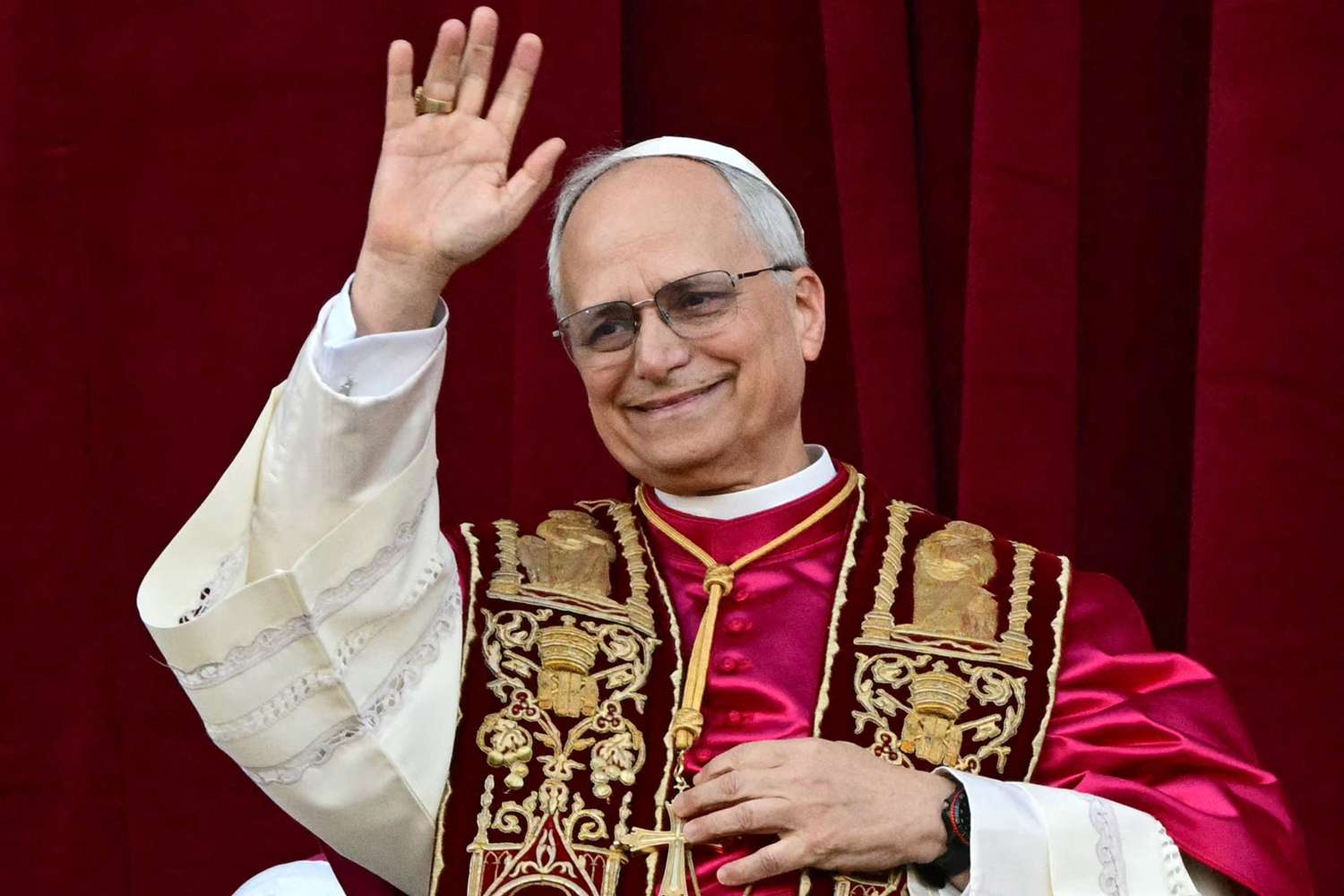
Pope Leo XIV has renewed his appeal for a global Christmas Day truce, voicing deep sorrow over continued fighting and saying Russia had “apparently rejected” a proposal for even a temporary pause in hostilities.
Speaking to reporters at his residence in Castel Gandolfo near Rome, the pope urged people of goodwill everywhere to observe a day of peace. “I am renewing my request to all people of good will to respect a day of peace — at least on the feast of the birth of our Saviour,” he said.
“I feel great sadness,” Leo added, “because Russia has apparently rejected a request for a truce.”
Russia launched its full-scale invasion of Ukraine in February 2022 and has consistently dismissed calls for a ceasefire, arguing that any pause in fighting would give Kyiv a military advantage. Referring more broadly to conflicts around the world, the pope expressed hope that his appeal would be heeded. “I hope they will listen and that there will be 24 hours of peace across the entire world,” he said.
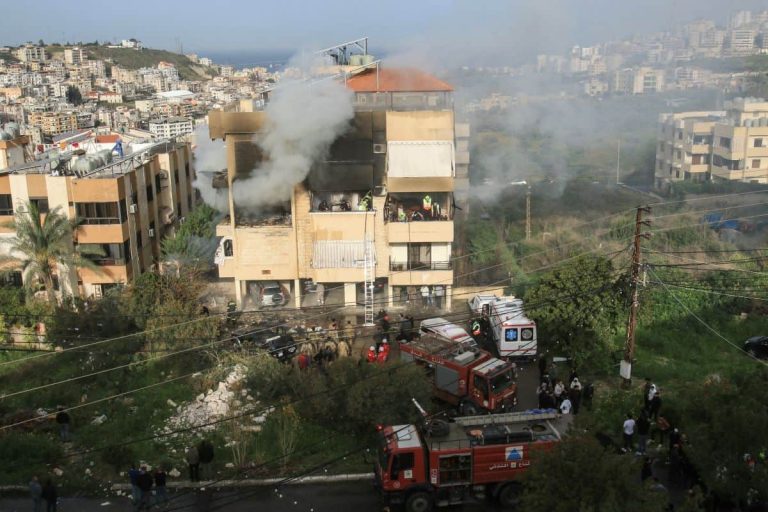
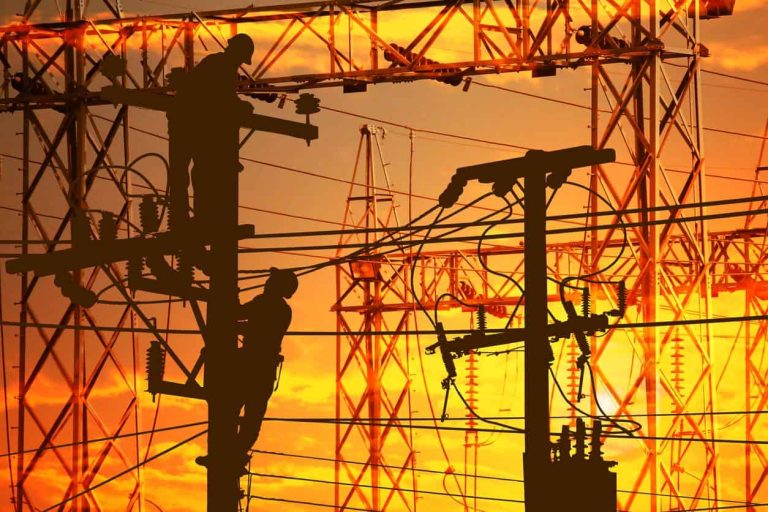
The call came amid escalating violence in Ukraine. On Tuesday, Ukrainian forces withdrew from a town in the country’s east following intense fighting with Russian troops, as continued strikes by Moscow killed three civilians and left thousands without electricity during freezing winter conditions.
Despite recent diplomatic activity, there was no sign of an imminent breakthrough. Senior Russian and Ukrainian negotiators were in Miami last weekend for separate meetings with U.S. officials aimed at exploring ways to end nearly four years of war, but the talks yielded no immediate progress.
Earlier this month, Pope Leo met with Ukrainian President Volodymyr Zelensky. Asked whether he would accept Zelensky’s invitation to visit Ukraine, the pontiff said, “I hope so,” while cautioning that it was too early to say when such a trip might be possible.
Leo also warned that any effort to secure peace in Ukraine without the involvement of European diplomacy would be “unrealistic,” and cautioned that U.S. President Donald Trump’s proposed peace plan could lead to a “huge change” in the transatlantic alliance.
About the Author