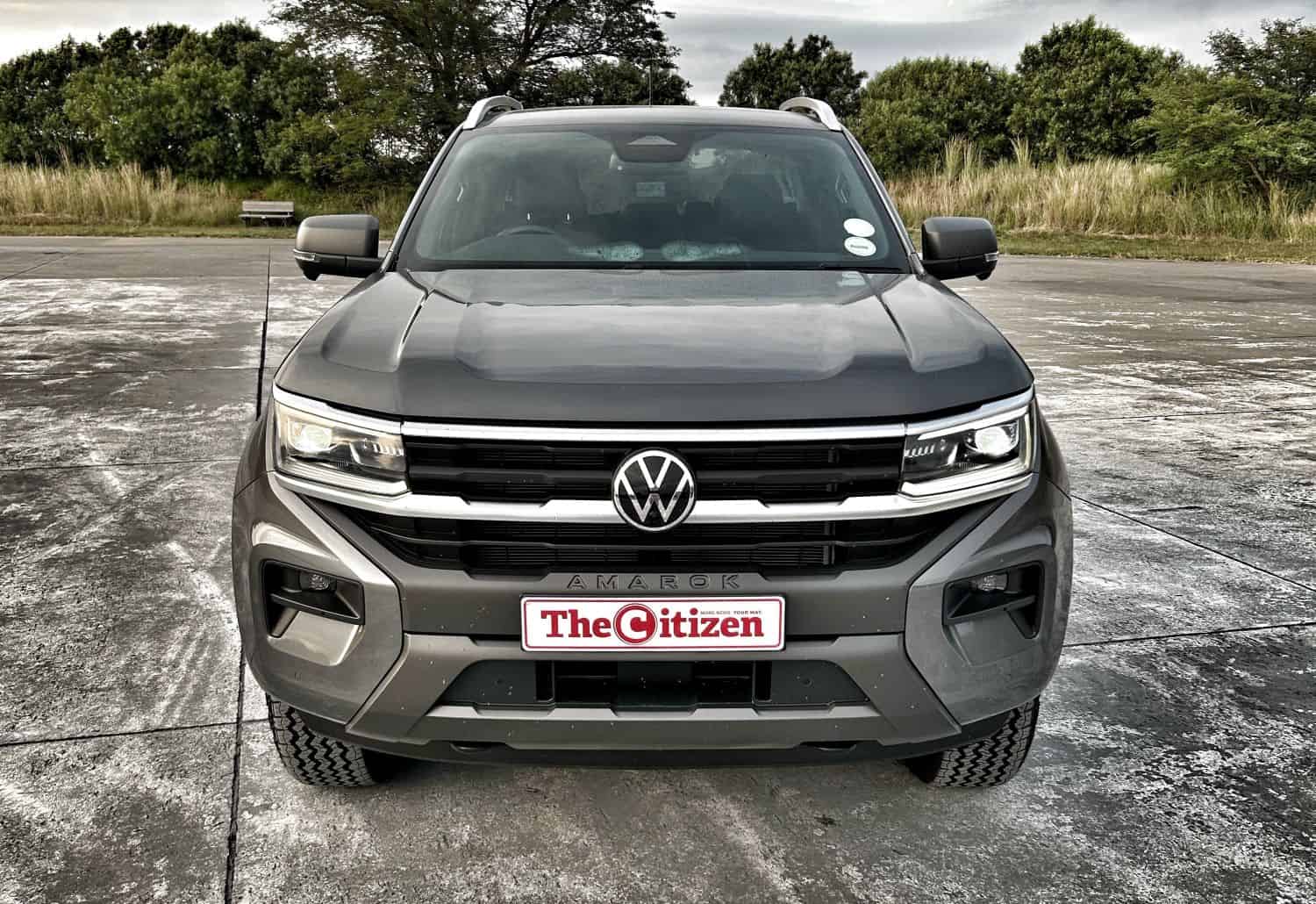
Not that long ago, turbo-diesel was the preferred choice of powertrain in the majority of bakkies.
But the likes of Ford Ranger Raptor, 222kW Amarok and electrified petrol offerings like the BYD Shark, GWM P500, Changan Hunter REEV are upsetting the applecart.
The landscape is set to change even more was a host of plug-in hybrids are heading for Mzansi. These include the JAC T9 PHEV, the Riddara 6 and the first Chery bakkie.
Bakkies enter new era
On this week’s episode of The Citizen Motoring‘s Pitstop podcast, we look at the changing bakkie landscape and what each of the new players has to offer.
While diesel will remain the first choice for working bakkies, but the new powertrain options will appeal to those who buy bakkies as a lifestyle vehicle. Here performance, an aspect that does not matter all that much in a world of four-cylinder oil-burners, comes into the equation.
ALSO READ: 222kW Amarok an enticing alternative to the usual diesel suspects
While no bakkie could break the eight-second barrier in the 0 to 100km/h until 2023, the Ford Ranger Raptor barged down that door with many to follow. While the Raptor did the almost unthinkable of clocking a 6.9-second sprint, it couldn’t even hold onto the record for two years as the BYD Shark set an insane time of 5.66 seconds.
The GWM P500 HEV has also since dipped under eight seconds with a time of 7.76 seconds. As did the Changan Hunter REEV (range-extending electric vehicle) with a time of 7.37 seconds.
222kW Amarok ahead of oil-burners
The 222kW Amarok, powered by a 2.3-litre turbo petrol engine, is a bit further back at 9.08 seconds. But this time is still faster than any current diesel bakkie, including the 3.0-litre V6s in the Ford Ranger and VW Amarok stable.
About the Author