Please Call Me inventor Kenneth Makate has rejected arbitration with former legal funder Black Rock Mining, which is seeking to recover 40% of his payout from Vodacom.
Though Makate’s settlement with Vodacom is the subject of a non-disclosure agreement, the company’s half-year results to September 2025 point to a one-off cost of anywhere between R353 million and R748 million for the invention.
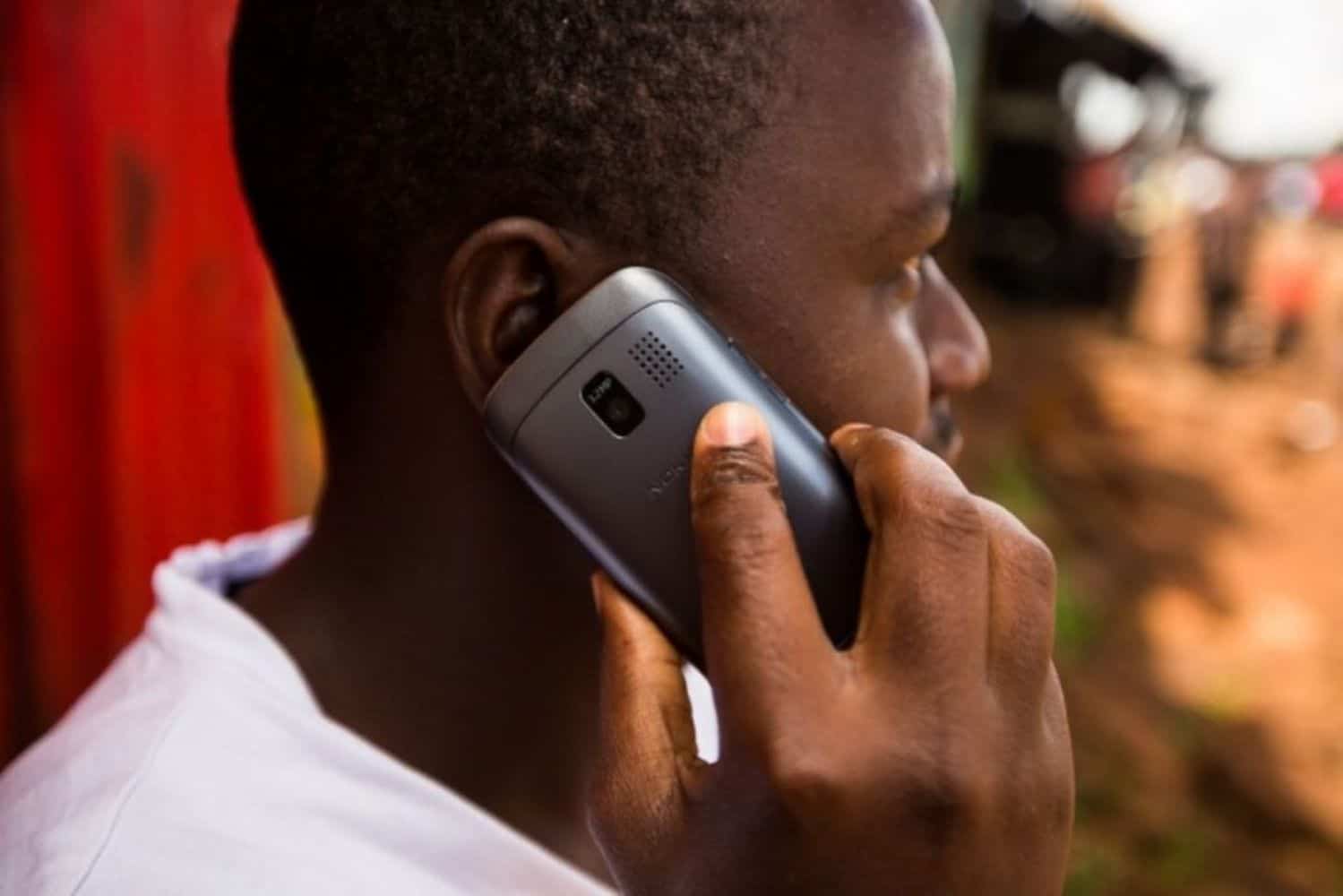
Based on these figures, Black Rock Mining’s claim of 40% is potentially worth between R141 million and R299 million, and it has no intention of letting that slide. Vodacom made billions of rands in revenue from the Please Call Me service, which allows someone without airtime to request a callback via SMS.
In correspondence seen by Moneyweb, Black Rock Mining’s attorney Sinen Mnguni says his client’s claim against Makate is the subject of a funding agreement under which any disputes must be referred to arbitration.
“We will proceed with or without you,” Mnguni has told Makate’s legal team.
The funding agreement was signed in 2011 by Makate and then Black Rock Mining director Christiaan Schoeman.
Makate reportedly received R4.3 million in legal funding over a period of years, some of it in cash.
The exact amount will be verified through arbitration, says Black Rock Mining’s representative Errol Elsdon.
ALSO READ: Fight for Please Call Me money far from over: Makate vs litigation funders
Agreement ‘cancelled’
Makate insists the funding agreement has been cancelled, and Black Rock Mining has waived any rights it had to his Vodacom winnings after another company, Raining Men Trade, entered the picture as the nominated funding entity. Makate says his signature was forged on the Raining Men Trade agreement.
British Virgin Islands company Black Rock Mining was deregistered in 2014 and was only revived again in January 2021, soon after Vodacom CEO Shameel Joosub made an offer of R47 million for Please Call Me.
Unsatisfied with that amount, Makate took this on review to the Pretoria High Court. The matter was finally settled in November 2025 when Vodacom made a confidential offer to Makate, widely believed to be between R353 million and R748 million.
Another reason cited by Makate for rejecting arbitration is that the claim has prescribed (run out of time).
In correspondence addressed to Makate’s attorneys R Masilo Attorneys, Mnguni says Makate’s “defences regarding cancellation, waiver and prescription presuppose the very existence of the funding agreement”.
“One cannot cancel, waive rights under, or allow prescription of obligations arising from a contract that never existed. These are matters for the arbitrator.”
ALSO READ: Please Call Me inventor Nkosana Makate challenges R13 million legal bill
Agreement ‘never cancelled’
The dispute was previously the subject of arbitration in March 2020, when Advocate Mandla Mabena SC found that Black Rock Mining – not Raining Men Trade – was the only validly nominated company, and that the funding agreement had never been cancelled.
Makate has repeatedly accepted these findings, says Black Rock Mining, and cannot now relitigate matters already settled.
Black Rock Mining appointed Stemela & Lubbe Inc as Makate’s attorneys in the matter, but there appears to have been a falling out, with Black Rock Mining being sidelined.
Mnguni says Section 14(2) of the Arbitration Act makes it clear that “where a party fails to attend arbitration after receiving reasonable notice without showing good and reasonable cause, the tribunal may proceed in that party’s absence”.
Black Rock Mining has also rejected Makate’s demand for security for costs – where one party asks the court to demand the other party put up funds to cover its legal costs in the event that it loses the case. Mnguni says there is no legal basis for this demand, which appears designed to frustrate his client’s legitimate pursuit of its contractual rights.
Makate now has seven days to agree on the appointment of an arbitrator.
This article was republished from Moneyweb. Read the original here.
About the Author