Moscow, Russia, 18-02-2021: clubhouse app icon on smatphone screen surrounded by other social media apps and user run clubhouse. Clubhouse drop-in audio chat social media network. Shallow DOF
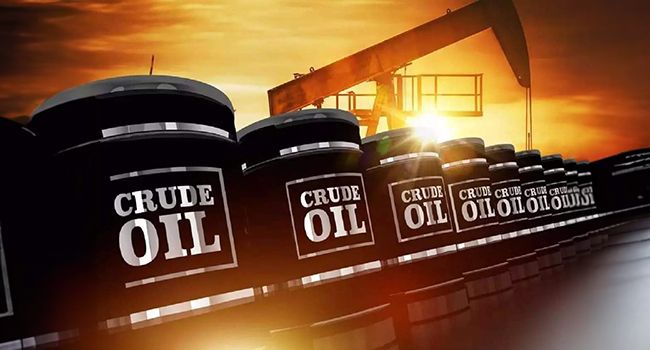
With petrol prices expected to rise due to the United States and Israel’s Middle East conflict, pressure is mounting on motorists and the freight logistics industry.
Analysts caution that if the conflict continues, South Africa could even face fuel shortages.
The Department of Mineral and Petroleum Resources (DMPR) said on Tuesday evening that it remains in contact with oil companies to ensure supply stability, but uncertainty persists.
Technology
Technology is emerging as one possible way to ease the strain. Several mobile applications now allow motorists to compare diesel prices, which are unregulated and can vary by R2 to R5 between filling stations in the same suburb.
PitStops, for example, provides users with options within a 10km radius and updates thousands of diesel prices monthly.
“With more than 4 200 prices meticulously updated each month, this innovative app promises some relief by enabling consumers to make more informed fill-ups,” said PitStops.
PitStops is currently available as a web app with subscriptions starting at R35 per month, and is expected to launch soon on Google Play and the Apple App Store.
Other platforms, including myTank, Petrol Price SA, and Fillapp, also offer comparisons, real-time updates, and, in some cases, integrate loyalty rewards.
MyTank specialises in finding the best value for diesel, including tracking ATM details and rewards programs, while Petrol Price SA provides real-time updates on fuel prices across various fuel types nationwide.
Fillapp offers fuel price predictions and notifications for when prices are about to change.
ALSO READ: Ramaphosa calls for ‘maximum restraint’ as Middle East crisis worsens
Fuel price hike
Meanwhile, the Motor Industry Staff Association (Misa) voiced concern about the possibility of another fuel price increase linked to the conflict in Iran.
Spokesperson Phakamile Hlubi-Majola said that higher fuel costs are passed directly on to consumers and workers, driving up the overall cost of living.
“Fuel is one of the biggest monthly expenses for workers, and any increase pushes households further into financial hardship,” Hlubi-Majola said.
“Government’s failure to review the fuel pricing methodology, despite promises in previous budgets, means every increase compounds the challenges faced by ordinary South Africans.”
Protecting workers
Misa said protecting workers must be a priority in any discussion about fuel pricing and urged the government to prioritise affordability and transparency in fuel pricing and to ensure that workers are not left to “shoulder the consequences of policy failures”.
ALSO READ: Vodacom scraps data charges for SABC streaming platform
About the Author