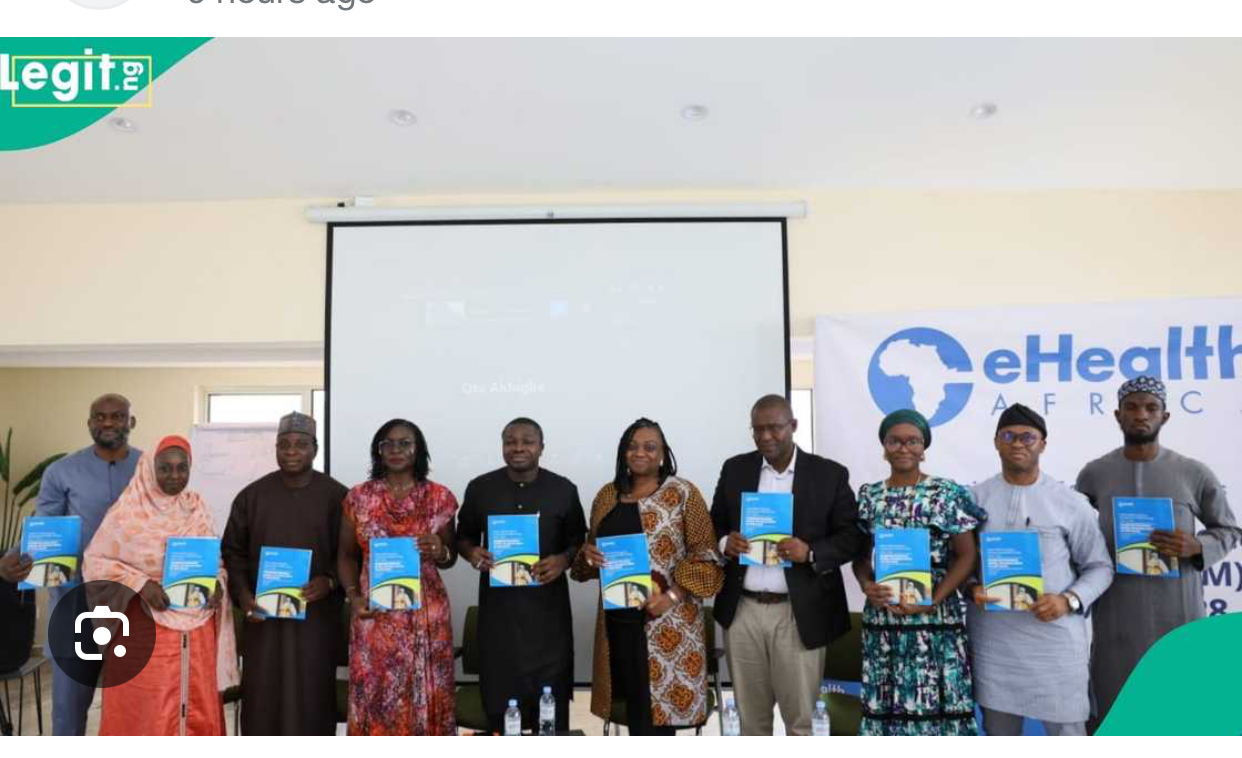
A new continental push to improve health emergency readiness is underway, following the unveiling of a multi-year strategy by eHealth Africa focused on enhancing response systems and strengthening data-driven decision-making.
The Public Health Emergency Management (PHEM) Strategy for 2026–2028 aims to improve preparedness, coordination, and rapid response to health threats across Africa.
Unveiled in Abuja, the plan brings together government, partners, and experts to address gaps in emergency response systems.
According to Communications Manager Favour Oriaku, recent global crises highlight the need for stronger systems, including functional Emergency Operations Centres and reliable data.
eHealth Africa says the strategy builds on its experience supporting over 35 emergency operations centres across the continent and will focus on improving data visibility, coordination, and grassroots response capacity.
Speaking at the event, Director of Programmes and Partnerships, Ota Akhigbe, said, “Strong national frameworks provide direction, but impact is determined by the capacity of states and local governments to detect, report, and respond effectively”.
Deputy Director, Kazeem Balogun, added that strengthening community systems will improve early detection and response, “ultimately… save lives”.
The Africa Centres for Disease Control and Prevention also stressed the need for stronger local systems.
eHealth Africa says the strategy will help countries better anticipate and respond to public health emergencies while strengthening overall health security.
About the Author