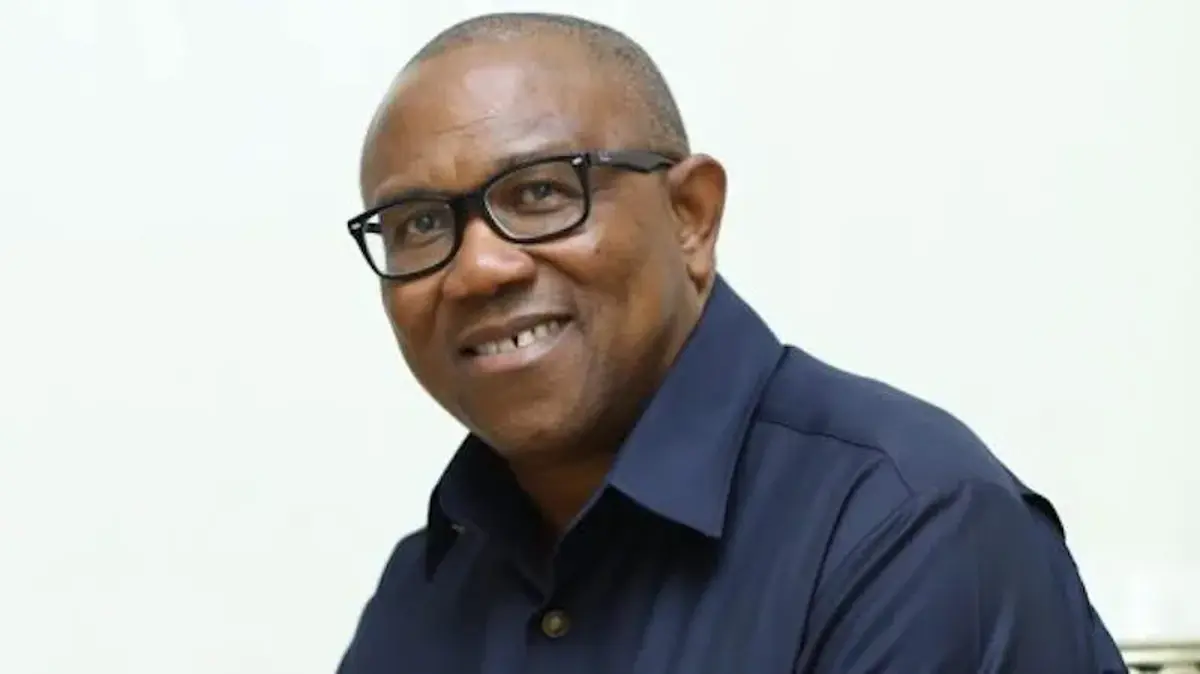
Former presidential candidate says flawed tax framework risks burdening Nigerians, as FG defends reforms
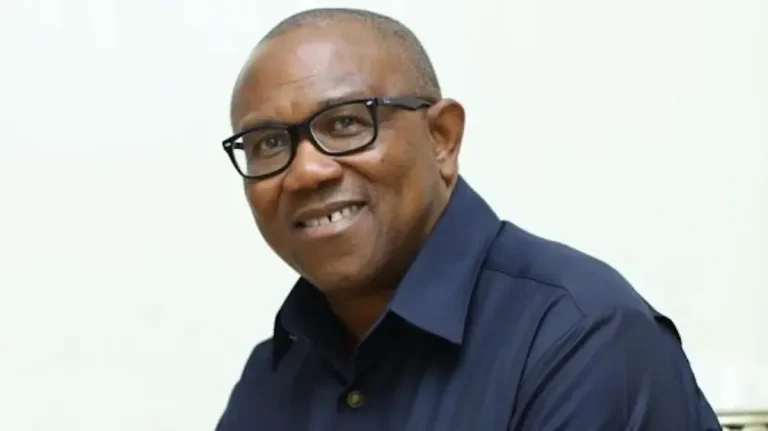
Former presidential candidate Peter Obi has called on the Federal Government to halt the implementation of Nigeria’s newly gazetted tax laws, warning that multiple errors and policy gaps could negatively affect businesses and ordinary taxpayers.
In a statement shared on his X (formerly Twitter) account on Tuesday, Obi referenced a recent KPMG Nigeria report which identified several areas of concern in the new tax framework. According to the report, the issues span the taxation of shares, dividend treatment, obligations of non-resident entities, and foreign exchange deductions.
Obi said the review uncovered 31 critical problem areas, ranging from drafting lapses to policy inconsistencies and administrative shortcomings.
“These issues are so complex that it reportedly took private engagements between the National Revenue Service and KPMG before they were acknowledged,” Obi said. “If professionals require closed-door discussions to understand these laws, what chance does the average Nigerian have of grasping the obligations being imposed?”
He argued that taxation should be built on trust and mutual understanding between government and citizens, stressing that the process leading to the new laws lacked adequate public consultation.
“Ordinarily, tax reforms involve extensive engagement with businesses, labour groups and civil society over several months or even years,” Obi said. “Drafts are debated publicly and the implications clearly explained. In this case, Nigerians were left completely in the dark about both the rules and the benefits attached to the taxes.”
The former Anambra State governor criticised what he described as a rush to enforce tax collection without securing public buy-in or offering sufficient clarity.
“We have prioritised enforcement over consensus and collection over communication,” he said. “Even after subsidy removal, Nigerians are still waiting for meaningful relief, while facing rising food prices, higher transport costs, shrinking purchasing power and deepening poverty.”
Obi described the new tax regime as deeply flawed, warning that the concerns raised by a global accounting firm should not be taken lightly.
“A tax system riddled with inconsistencies and producing 31 red flags is not a sign of responsible governance,” he said. “Without trust, taxation feels punitive. Without clarity, it creates confusion. Without visible public benefit, it becomes exploitation.”
He concluded by urging the government to pause implementation and adopt a more inclusive approach.
“Nigeria cannot afford to place additional burdens on citizens who are already struggling. What is needed is a government that listens, communicates clearly and builds national consensus. That is the foundation for real reform, unity and shared prosperity,” Obi stated.
In response, Chairman of the Presidential Fiscal Policy and Tax Reforms Committee, Taiwo Oyedele, defended the new tax laws, disputing KPMG’s conclusions.
Speaking on Saturday, Oyedele said many of the concerns raised were based on misinterpretations of policy intent or disagreements with deliberate reform decisions.
“While some observations from KPMG were helpful, most of the report misrepresented the objectives and structure of the new tax framework,” Oyedele said, insisting that the reforms were carefully designed to modernise Nigeria’s tax system.
About the Author