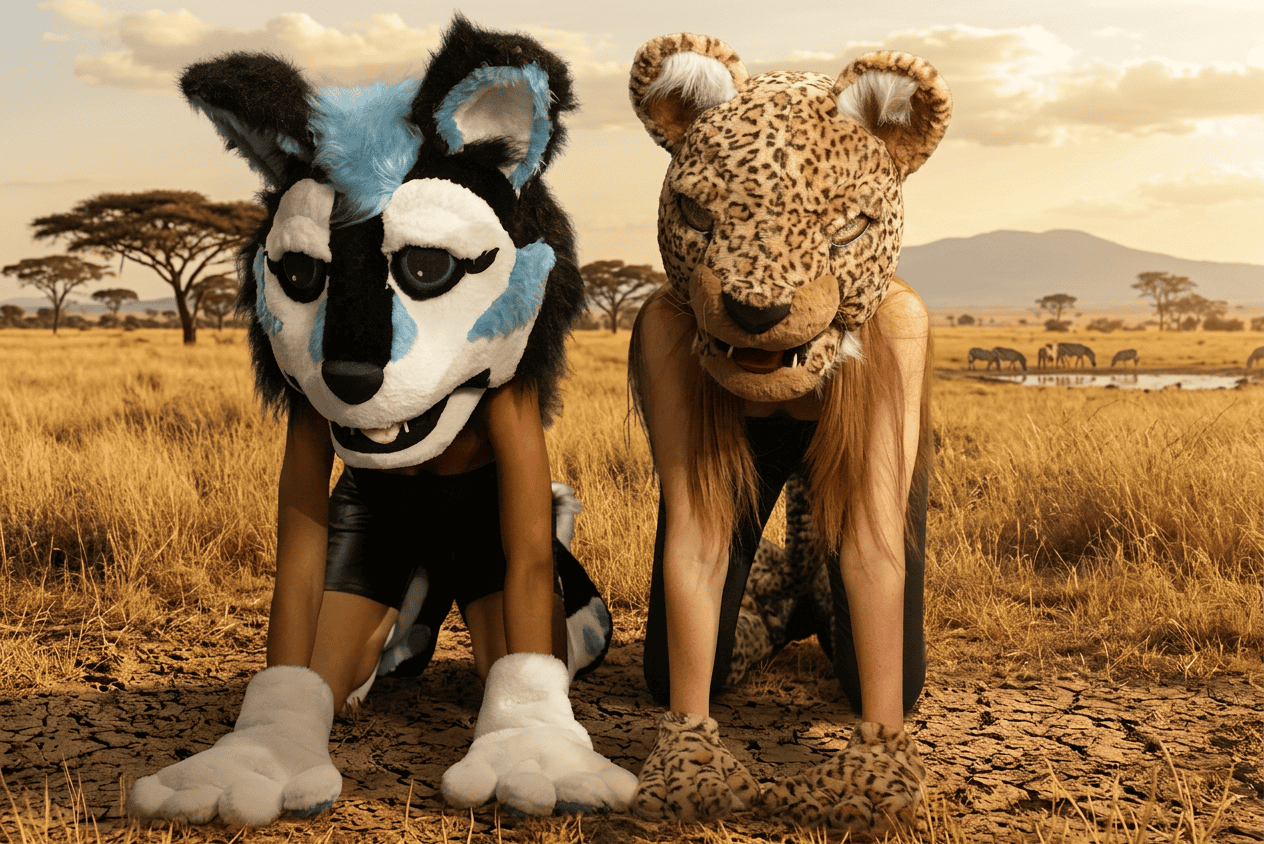
It’s the kind of viral video that makes you stop scrolling. About 10 days ago a clip showed teenagers in Argentina donning masks, wrapping tails around their bodies and quite literally spending their time as dogs, frolicking.
It’s called Therianism and is an extension of becoming a furry, which is an extension of cosplay and role play. It’s just at the more extreme end of the scale where some of these Argentinian teenagers, reports suggested, even identify as hounds.
But a local furry said the foundation of the furry trend is far simpler than people think. “It’s just people who like the idea of anthropomorphic characters,” they said. “You draw them, animate them, create them. It’s not about becoming that character.”
They explained that most people treat their “fursona” as an alias or alter ego. It is how they show up online or in creative spaces, but it does not replace who they are. “There’s always a clear distinction,” they said. “You log off, and you’re still you.”
‘You log off, it’s still you’
But there is a distinction between what the South African furry described and what seems to be happening elsewhere. Psychologist and medical doctor Dr Jonathan Redelinghuys said that being a furry sits comfortably alongside other forms of role play.
“They create a persona,” he said, “not dissimilar to people who dress up when gaming for Renaissance fairs or tabletop role playing. They know that they are not going to identify as that character in their being. They are just pretending. They know that everyone knows that.”
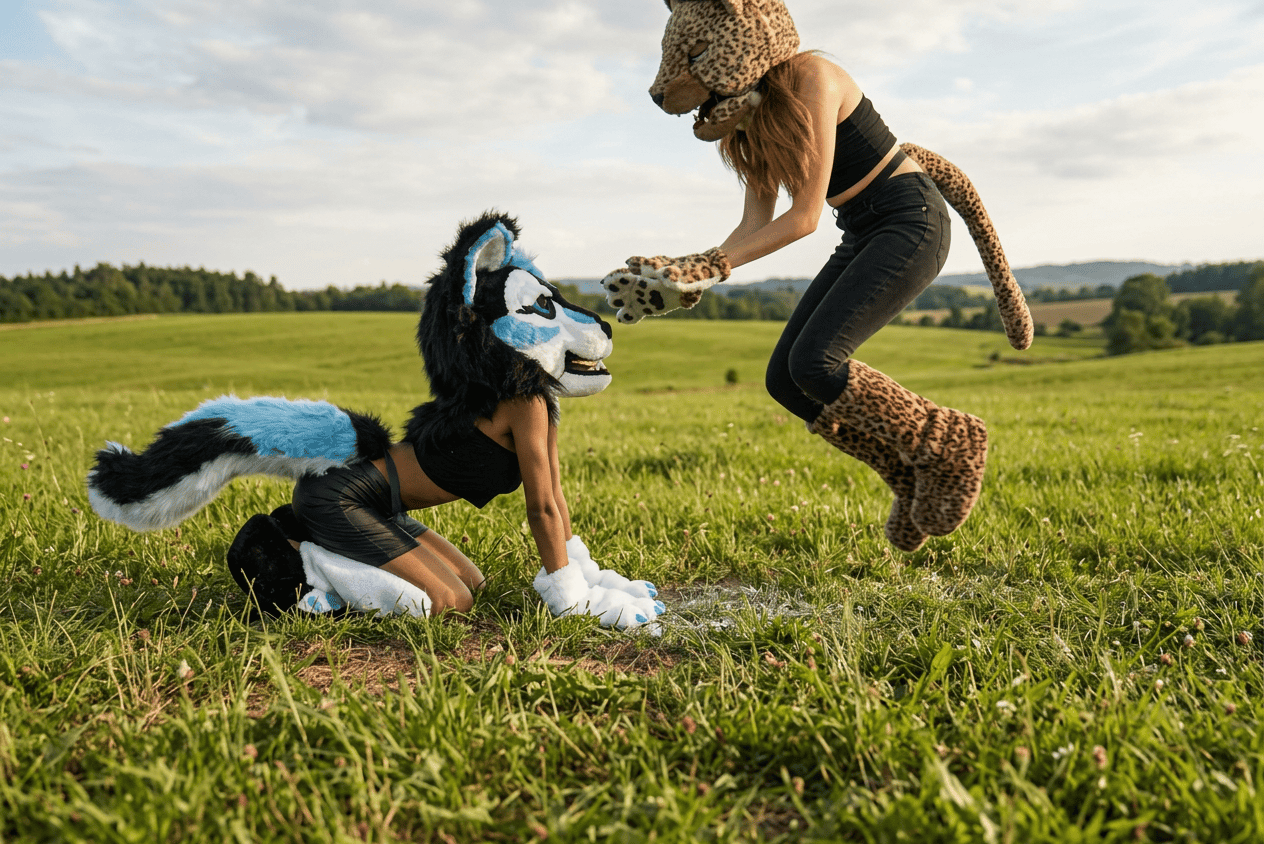
Redelinghuys said that reality can be quite tough and overwhelming and that stepping into a persona or alter ego offers a break from the demands of everyday life. It is not about abandoning identity. “It provides a sense of fantasy and escape.”
But what’s happening in Argentina, he said, is not what most people understand as the furry community. Therians, as they are called, tend to describe their connection to animals as something more internal. Research into the trend suggests that many of the people involved still understand that they are biologically human but feel that their personality or instincts align with a specific animal. It is symbolic, not literal. “They kind of blur that line a little bit more,” Redelinghuys said.
Therians are on the extreme end
A furry told The Citizen that Therians “are mainly treated like the weird kids of the group, since most furs keep a distance from the therian community purely for the sake of their sanity. Therians treat their ‘fursonas’ as their true selves, which most furries find uncomfortable,” they said.
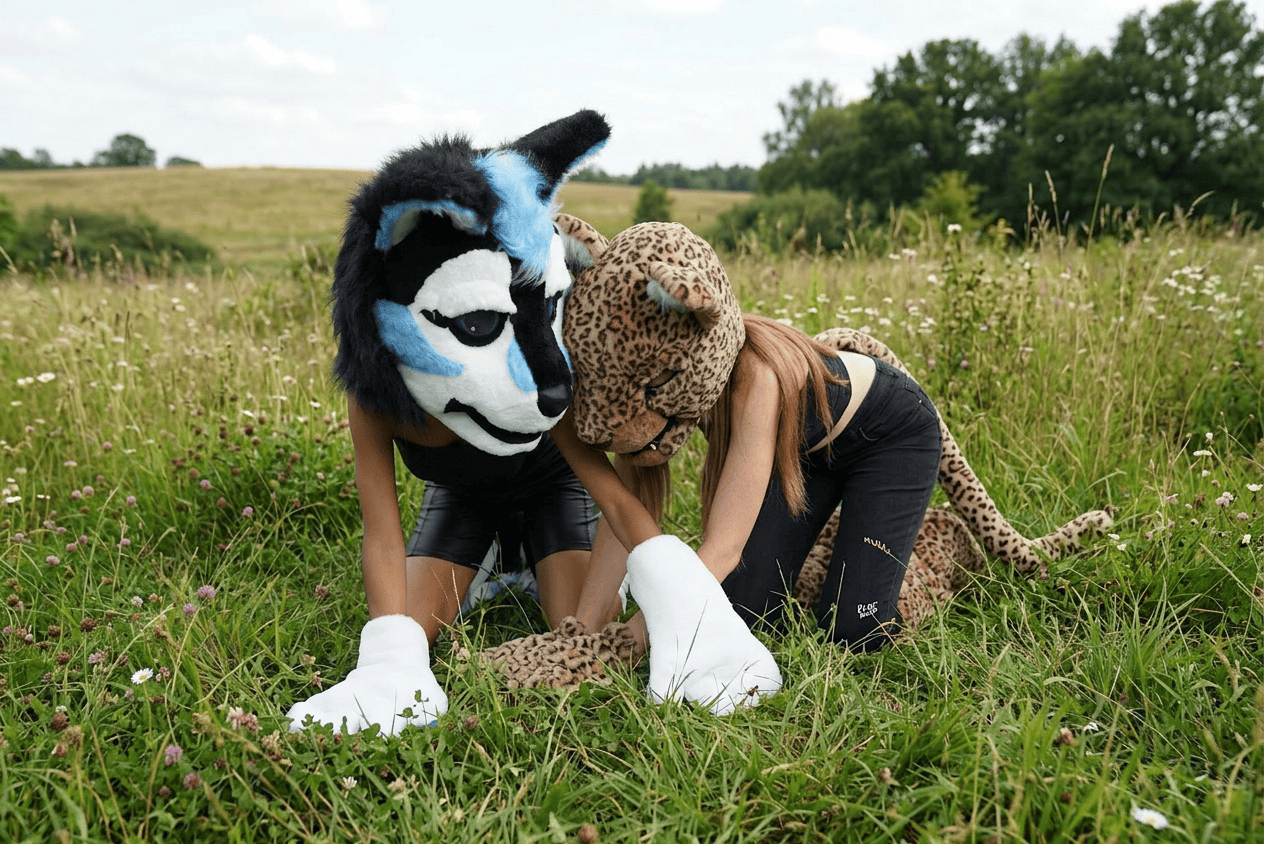
From a psychological perspective, concern only comes when the line is blurred completely and when a person is no longer able to function as a human in their daily life or begins to reject that identity entirely. “That is where it becomes pathological,” he said.
Redelinghuys also noted that the assumption that the community is inherently sexual misses the mark completely. “It’s not necessarily sexual,” he said. While some people may incorporate adult elements into role play, that is not what defines the space. In general, it is less about sexual reasons and more about escaping the day-to-day challenges of life.”
The furry community is also quite layered, a furry told The Citizen. There are subgroups that form around shared interests and aesthetics. Some focus on more traditional animals such as wolves, bears and lions. Others identify as “scalies”, centred around reptilian and aquatic characters. There are even more niche groups that explore insect inspired designs. “We tend to group together based on what we like,” a furry said. “But everyone still mixes.”
Scalies are more reptilian
Heidi du Toit of Hollywood Costumes said there has been a noticeable increase in demand for animal-based costumes and detailed cosplay pieces. “We are definitely seeing more requests for these kinds of outfits,” she said. “Not just for parties or events, but for people who want something more specific.” She said the uptick reflects a broader move toward more character-driven expression.
Another furry told The Citizen that different generations have always had a space where identity is tested and reshaped. Previous generations did it through music scenes, fashion and subcultures like punk or goth that offered belonging and structure. “What has changed is how visible today’s subcultures are,” they said. “Social media has taken something that might once have remained niche and placed it in front of a global audience.”
About the Author