Pakistan’s Defence Minister, Khawaja Muhammad Asif, has declared that the country is in an “open war” with Afghanistan following a series of cross-border airstrikes launched by Islamabad in response to escalating hostilities.
“Our patience has now run out,” Asif said after Pakistan conducted airstrikes targeting locations in Afghanistan amid a new wave of clashes along the volatile border region.
The attacks followed an offensive announced by the Taliban, which claimed to have launched operations against Pakistani military positions near the border on Thursday night.
The militant group said it captured several Pakistani posts and bases, though these claims have not been independently verified.
The confrontation intensified after months of intermittent clashes between the two neighbours despite a fragile ceasefire agreement reached in October. Negotiations aimed at ending hostilities completely reportedly collapsed, with both sides accusing the other of failing to engage meaningfully in peace talks.
According to Taliban statements, a retaliatory operation began around 20:00 local time on Thursday, during which the group claimed it seized 19 Pakistani military posts and two bases and killed 55 Pakistani soldiers. These figures could not be independently confirmed.
Pakistan swiftly denied the claims, stating that Taliban forces had “miscalculated and opened unprovoked fire” on multiple locations in its north-western province of Khyber Pakhtunkhwa. Pakistani security forces said the attacks were met with an “immediate and effective response.”
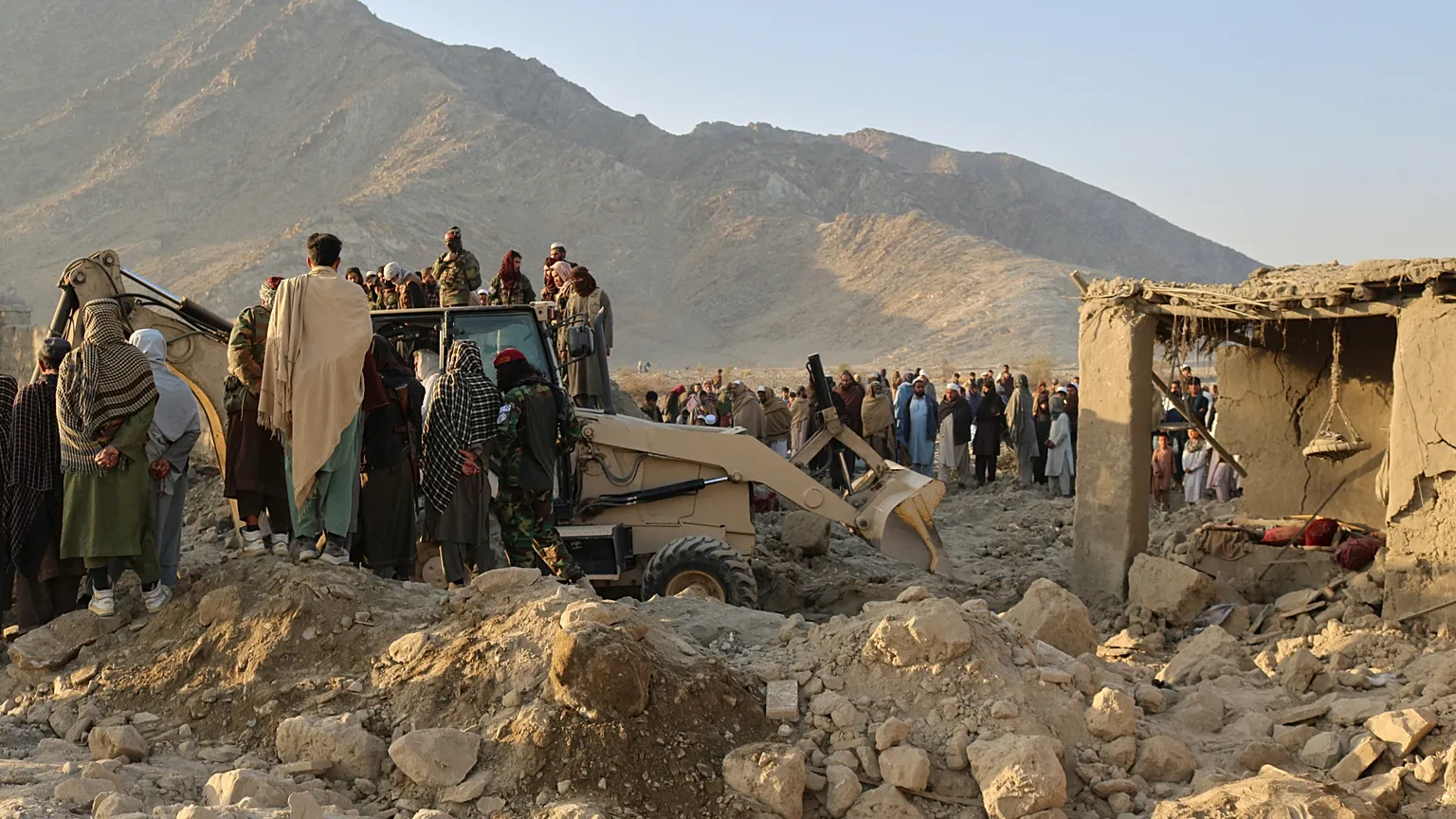
In retaliation, Pakistan launched airstrikes in the early hours of Friday, targeting areas in Kabul, Kandahar, and Paktika Province—regions located near the mountainous border shared by the two countries.
Pakistan’s military spokesperson, Ahmed Sharif Chaudhry, said the strikes hit 22 Afghan military targets and killed more than 200 Taliban fighters. He also confirmed that at least 12 Pakistani soldiers were killed.
However, Taliban spokesman Zabihullah Mujahid disputed the figures, claiming only 13 fighters were killed and 22 injured, while also alleging civilian casualties.
The BBC has not been able to independently verify casualty numbers reported by either side.
Tensions continued as Taliban officials later claimed Pakistani rockets struck a refugee settlement in Nangarhar Province, reportedly injuring at least nine people. The report also remains unverified.
Pakistan’s Information Minister, Atta Tarar, stated that the military intercepted drone attacks allegedly aimed at the cities of “Swabi”,”Pakistan,”Nowshera” and Abbottabad, a garrison city that houses the country’s military academy.
Prime Minister Shehbaz Sharif reaffirmed Pakistan’s defence posture, declaring that the nation possesses the capability to “crush any aggressive ambitions” and would make “no compromise” in protecting the country.
Diplomatic efforts are ongoing, with Iran offering to facilitate dialogue between the two nations while urging both sides to resolve differences through peaceful negotiation.
The United Kingdom Foreign Office also called for immediate de-escalation and renewed talks to protect civilian lives.
Despite a fragile ceasefire previously agreed upon, the latest escalation underscores the persistent volatility along the Pakistan-Afghanistan border, with both sides trading accusations over support for militant attacks and cross-border aggression.
About the Author