The Participatory Communication for Gender Development Initiative (PAGED Initiative) has called for the promotion of gender-responsive re-entry pathways to enable married adolescents and young mothers return to formal education.
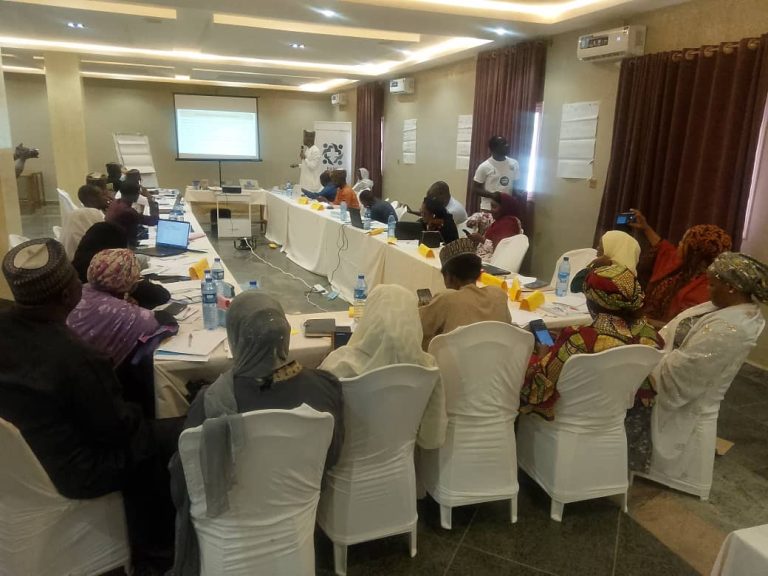
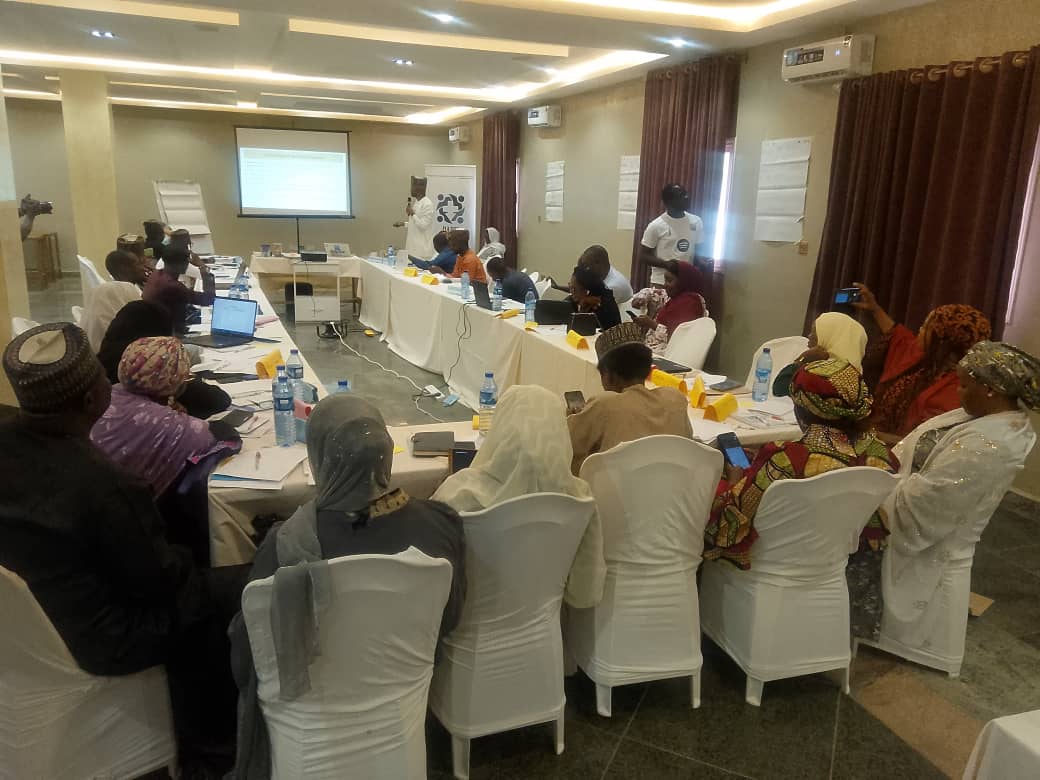
The call was made during a capacity-building workshop held at R&K Guest Palace in Zaria, Kaduna State, bringing together journalists from Borno, Kaduna, and Kano states.
The training aimed to strengthen media engagement in advocating for inclusive education policies and amplifying the voices of marginalized girls.

PAGED Initiative, a non-governmental organization committed to advancing gender equality and social inclusion, has been at the forefront of promoting access to education for vulnerable groups, particularly adolescent girls affected by early marriage, poverty, and conflict.
Through advocacy, research, and community engagement, the organization works to dismantle barriers that prevent girls from achieving their full potential.
Speaking at the workshop, the Program Director of PAGED Initiative, Ummi Bukar, emphasized the urgent need for policies and community support systems that allow married adolescent girls to return to school without stigma or discrimination.
“We must recognize that education is a fundamental right for every girl, regardless of her marital status. Married adolescents are often excluded from formal education due to societal norms and structural barriers. This initiative seeks to change that narrative by advocating for flexible, inclusive systems that accommodate their realities,” she said.
“When we empower a girl through education, we are not just transforming her life but also improving the wellbeing of her family and community.
This is why gender-responsive re-entry pathways are critical to sustainable development,” Bukar added.
Statistics highlight the urgency of the issue. According to global and national data, millions of girls are married before the age of 18, particularly in northern Nigeria.
Early marriage often leads to school dropout, limiting opportunities for personal development and economic independence.
Studies show that girls who marry early are less likely to complete secondary education and are more vulnerable to poverty and health risks.
Facilitator, Femke Van, underscored the role of the media in shaping public perception and influencing policy change.
“Journalists play a crucial role in telling the stories that matter. By highlighting the challenges faced by married adolescent girls and showcasing successful re-entry models, the media can drive awareness and policy reforms,” she noted.
“We need consistent, evidence-based reporting that not only informs but also inspires action from policymakers and communities,” she added.
Another facilitator, Dr. Auwalu Halilu, also stressed the importance of inclusive education frameworks tailored to the needs of married adolescents.
“Re-entry into formal education should not be seen as a privilege but as a right. Governments and stakeholders must create enabling environments through flexible school schedules, childcare support, and community sensitization to ensure these girls are not left behind,” he said.
“Investing in the education of married adolescents is an investment in national development, as it contributes to reducing inequality and improving socio-economic outcomes,” Halilu explained.
The workshop featured interactive sessions, group discussions, and practical storytelling approaches designed to equip journalists with the skills needed to report effectively on gender and education issues.
The PAGED Initiative’s advocacy marks a significant step toward addressing the educational exclusion of married adolescent girls.
Stakeholders at the workshop expressed optimism that sustained media engagement and policy support would pave the way for inclusive education systems, ensuring that no girl is denied her right to learn and thrive, regardless of her circumstances.