The unofficial “book of automotive terminology” can be tricky to follow with often nonsensical-sounding or incomprehensible driving terms.
The what steer?
Of these, the differences between oversteer and understeer probably rates as terms not everyone understands.
ALSO READ: What drivers should do when a head-on crash is unavoidable
More commonly associated with motorsport, both are not restricted to track driving, though, and will at some stage be experienced out in the word.
According to MasterDrive CEO Eugene Herbert, the characteristics of both are prevalent and needs understanding.
Understeer
Understeer is most often associated with front-wheel drive vehicles and occurs when the front wheels start to lose traction.
“This causes a vehicle to take a turn wider than intended through a corner,” Herbert says.

“Instead of turning in the direction you are steering, the vehicle drifts outside the bend. It feels like the steering is disconnected or unresponsive”.
“To correct understeer, ease off the accelerator smoothly, avoiding sudden braking. This can destabilise the vehicle further and make recovery more difficult,” Herbert continues.
He adds, “ease off your steering to give the front tyres a chance to grip the road again. Once traction returns, steer the vehicle back to where you want to be. The key is patience and remaining calm”.
Oversteer
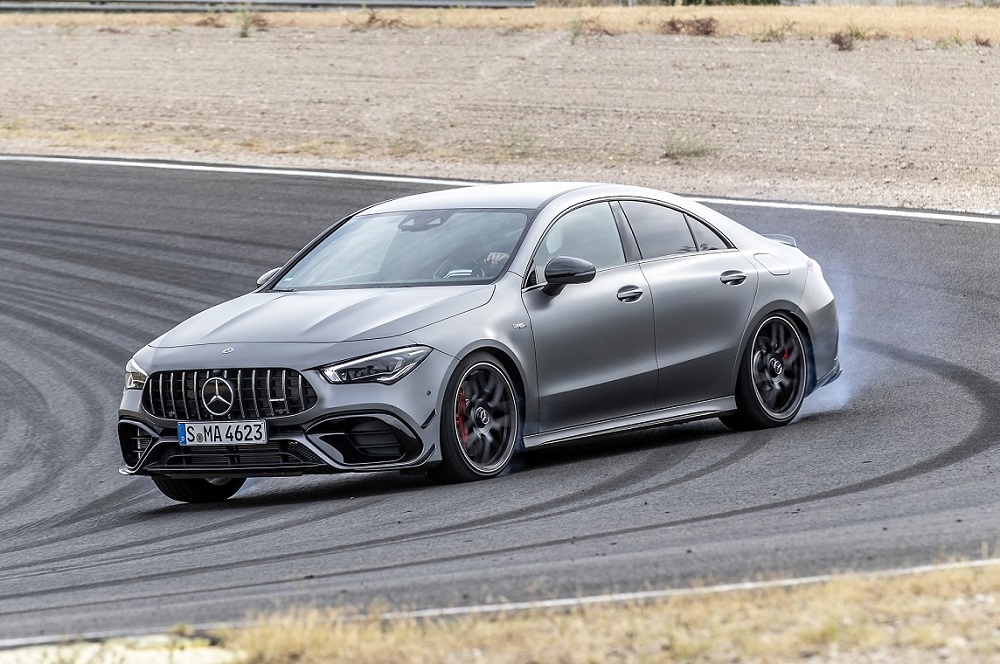
The opposite of understeer, oversteer is commonly more associated with rear-wheel drive vehicles.
“The rear tyres lose traction, and the back of the car begins to slide outward, pointing the front of the vehicle away from the direction intended,” Herbert says.
“In extreme cases, this can result in a spin during correction. It is triggered by excessive throttle, harsh braking mid-corner, or entering a bend too quickly.

As with understeer, Hebert calls for clam when dealing with an oversteer scenario.
“Steer into the slide. Thus, if the rear slides out to the right, steer to the right to counter it and vice versa. This technique is called counter-steering.
“Simultaneously, release the accelerator slowly as a sudden decrease in power can cause a pendulum effect and snap the car in the opposite direction.
“Once the car straightens, smoothly recentre the steering wheel,” Herbert concludes.
More tips
- Reduce speed before a bend, not during it. Braking mid-corner increases the risk of both understeer and oversteer
- In a slide, drivers instinctively look at what they fear hitting. Focus on your intended path instead and your steering will follow.
- Front-wheel drive tends toward understeer; rear-wheel drive toward oversteer. All-wheel drive is more stable but not immune to either.
- Worn, underinflated or mismatched tyres reduce grip and make both conditions more likely.
- Nothing replaces real experience. Driver training builds the muscle memory needed to react correctly under pressure.
NOW READ: MasterDrive: Defensive driving key to being a better driver
About the Author