Civil action group Organisation Undoing Tax Abuse (Outa) is calling on solar users not to register with Eskom or their municipalities.
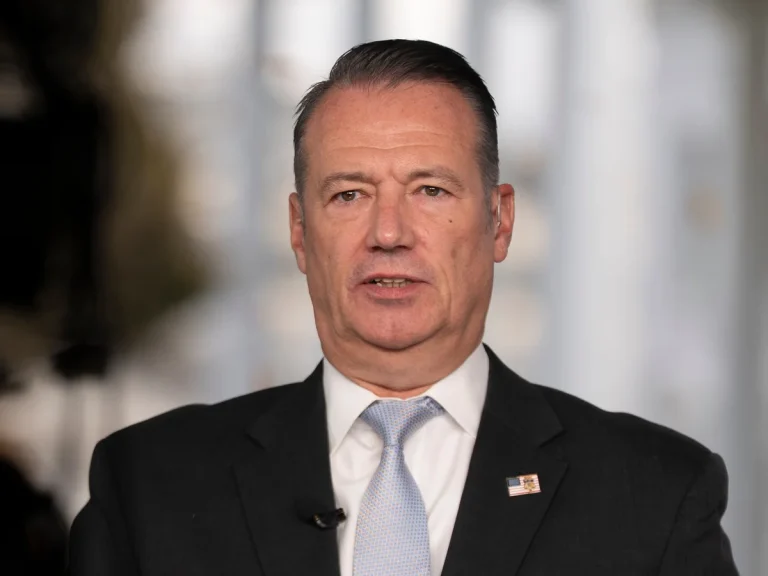
Wayne Duvenage, CEO of Outa, says recent threats from Eskom and certain municipalities to fine or disconnect electricity supply when consumers fail to register their small-scale embedded generation (SSEG) systems (or solar PV) are impractical, irrational and unfair.
“We also notice that the authorities added significant amendments to earlier supposed requirements and deadlines, which is generating more uncertainty and ambiguity on their demands and threats to households with solar installations.
Rights of citizens at stake
“Outa received a surge of queries and concerns from the public, after threatening communications from Eskom and certain municipalities, including the City of Johannesburg, demanded registration or prior approval for SSEG installations under 100kW, which do not feed electricity back into the grid.”
ALSO READ: What Eskom’s solar registration campaign means
“The rights of citizens who have gone to significant personal expense to protect themselves against years of escalating electricity prices and an unreliable power supply are at stake here,” Duvenage says.
“People installed gas appliances, solar power systems, generators, inverters and other alternatives in direct response to Eskom and government’s calls, as well as incentives, to reduce electricity demand. The uncertainty also has knock-on effects, leading to solar installation projects being delayed, with some solar installation financiers, insurers and installers now unsure of how to proceed.”
Duvenage says the organisation cautions finance houses and insurers against refusing to fund or insure residential solar installations based on this confusion and frequent amendments to what Eskom and municipalities require.
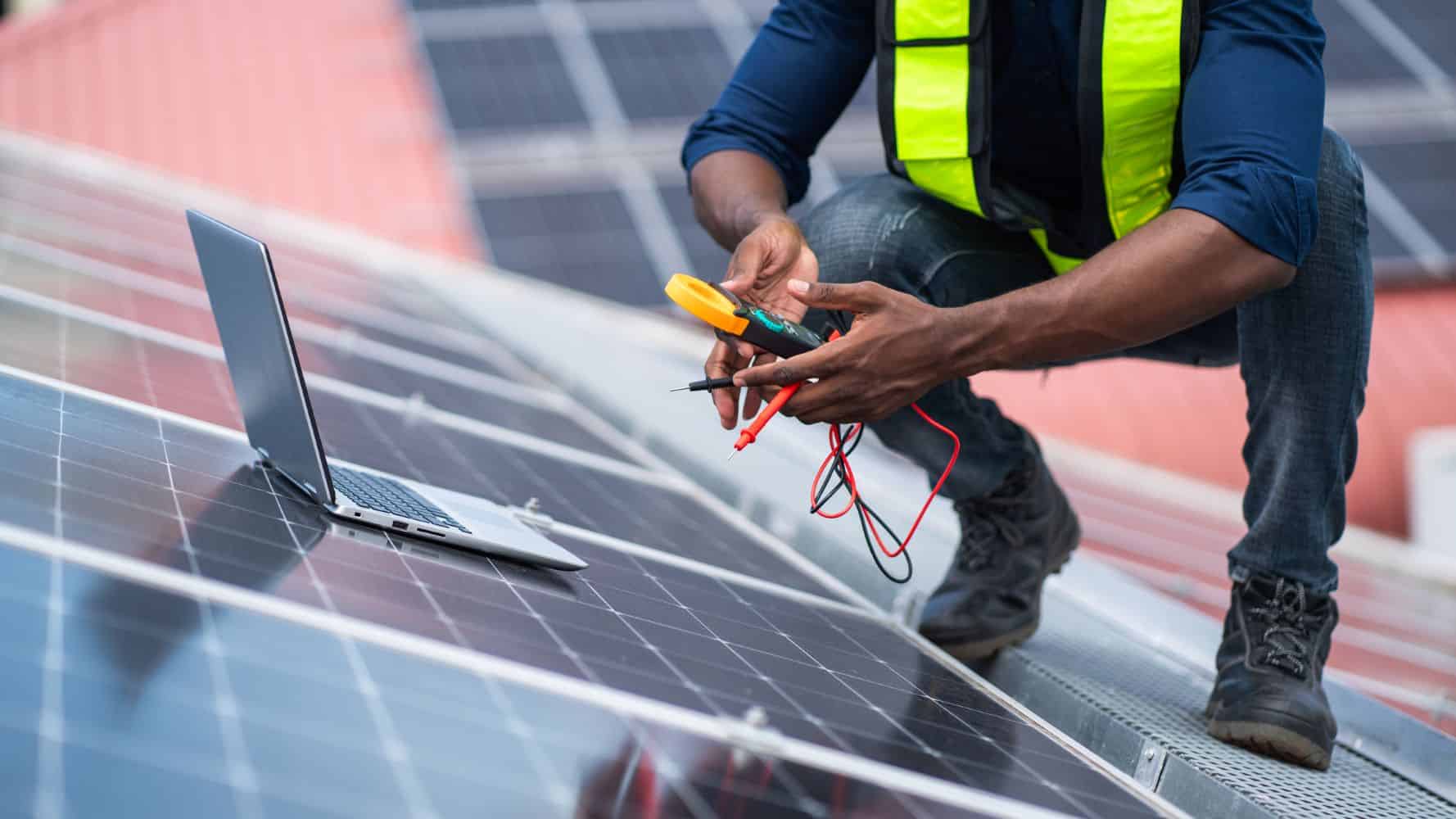
“Such decisions are short-sighted and penalises responsible consumers. When encountering resistance, Outa encourages homeowners to seek alternative finance and insurance providers who are willing to support compliant and safe installations, provided these installations have proof of technical and safety compliance in the form of a valid Certificate of Compliance (CoC) issued by a registered and qualified electrician.
ALSO READ: Homeowners caught in solar registration grey zone
‘Similarities to e-toll debacle’
“These developments echo similar irrationality and administrative challenges we saw unfolding during the e-toll debacle. Government often makes the mistake of believing that certain processes and desired administrative functions can magically be introduced through threats and administratively cumbersome regulations or new laws, when in fact it is the practicality, rationality and public acceptance that are the most important ingredients for successful implementation.”
Duvenage says aside from clear indications that the plans of Eskom and several municipalities lack in public acceptance and feasible application, it appears there may also be significant legal obstacles which Outa’s team is finalising with its legal counsel.
“Outa’s position is clear. What a homeowner does behind the meter on their own property – to reduce reliance on an unstable and expensive electricity supplier – has nothing to do with the supplier, provided the installation is safe, compliant in terms of national legislation and customers continue to pay for electricity in line with their contract with the distributor.
“This means that if your solar installation has a valid CoC, which addresses the safety concerns that are often cited by Eskom and municipalities, you are doing what is required of you.”
ALSO READ: Households with solar power in SA score a win after Eskom relents
Legal requirements for residential installations
In terms of the Occupational Health & Safety Act, the Electrical Installation Regulations and the mandatory national standard SANS 10142-1, a residential electrical installation, including solar PV electrical, must have a valid CoC issued by a duly qualified and accredited installation electrician/electrical contractor who is registered with the department of labour and employment, before the system is commissioned.
Duvenage says Outa believes the recent intimidating letters sent to consumers and public announcements from Eskom and some municipalities, regarding the need to register and/or obtain permission for solar system installations, amounts to coercive tactics designed to create fear and panic and to force unwarranted so called “compliance” requirements.
“However, we noticed a toning down of Eskom’s stance of disconnections and fines, reflected in recent media reports over the past few days, which suggests more uncertainty and a realisation that Eskom and municipal plans in this regard are not in sync with the powers presumably attributed to them.”
About the Author