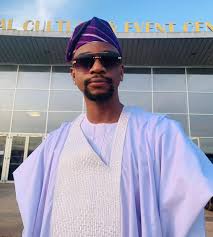
Actor and politician Olumide Oworu has criticised what he described as a societal imbalance in how wrongdoing is perceived and condemned.
Speaking during an appearance on The Clarity Zone Podcast, Oworu argued that public anger is often directed at individuals accused of minor theft, while allegations involving large-scale corruption sometimes attract less intense scrutiny.
According to him, the contrast highlights a troubling pattern in which small offenders are harshly judged, while cases involving the mismanagement of vast public funds may not receive the same level of public outrage.
Oworu said this disparity reflects a deeper challenge within society, where the broader consequences of corruption on everyday citizens are often overlooked.
Beyond corruption, the actor also raised concerns about the state of education and employment in the country. He questioned the practical value of academic training in an economy where many graduates struggle to find jobs after completing their studies.
Oworu noted that the disconnect between education and employment opportunities has contributed to growing frustration among young people.
He suggested that the situation has prompted many youths to question whether the years spent pursuing formal education ultimately translate into meaningful economic prospects.
The politician further emphasised that the true measure of governance should be the wellbeing of the average citizen.
According to him, the performance of any government should be judged by whether ordinary people can feel genuine improvements in their daily lives.
About the Author