Global markets rattle as war fears deepen, energy supplies tighten, and inflation risks climb…..
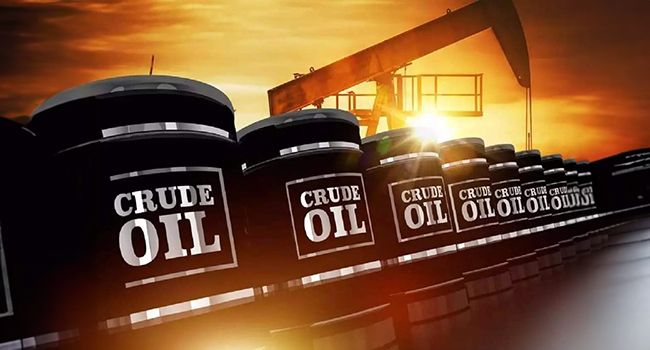
Global oil prices spiked sharply on Monday as tensions between Donald Trump and Iranian leaders intensified over the strategic Strait of Hormuz, raising fears of a prolonged disruption to energy supplies.
Brent crude briefly surged above $114 per barrel before easing to around $109.34 by mid-morning, while U.S. benchmark West Texas Intermediate traded between $98.50 and $99.99. The gains, exceeding two percent at one point, reflect growing anxiety in global markets as the Middle East conflict stretches into its fourth week with no clear resolution in sight.
War tensions rattle energy markets
The latest spike follows a dramatic escalation in rhetoric. President Trump issued a 48-hour ultimatum to Iran, demanding the immediate reopening of the Strait of Hormuz, a vital corridor responsible for roughly 20 percent of global oil and gas flows.
In a strongly worded message, Trump warned that failure to comply would result in direct strikes on Iran’s energy infrastructure, signaling a potential widening of the conflict.
Iran responded with its own warning, stating that any such move would lead to a complete shutdown of the waterway, a scenario widely viewed as a worst-case outcome for global energy markets.
Conflict deepens across the region
As diplomatic tensions rise, military activity across the Middle East has intensified. Reports of explosions in Tehran surfaced on Monday, while Israel confirmed a fresh wave of strikes.
The situation has expanded beyond a single фронт, with Saudi Arabia and the United Arab Emirates also reporting new attacks.
Meanwhile, Israel signaled it is preparing for an extended campaign, warning that fighting could continue for several more weeks, including expanded ground operations in Lebanon targeting Iran-backed Hezbollah.
Fears of inflation and food shortages rise
The surge in oil prices is already triggering broader economic concerns. Analysts warn that sustained increases could drive global inflation higher, forcing central banks to tighten monetary policy further.
There are also growing worries about supply chains beyond energy. Disruptions to fertiliser shipments have raised alarms about potential food shortages, especially in import-dependent regions.
Global economy faces mounting pressure
Amid the turmoil, Fatih Birol, head of the International Energy Agency, issued a stark warning about the wider implications.
He described the situation as one of the most severe energy shocks in decades, noting that the world is currently losing more oil supply daily than during both the 1970s oil crises and the Russian invasion of Ukraine combined.
“The global economy is facing a major threat,” Birol said, urging coordinated international action to prevent further escalation.
Central banks on alert
The ripple effects are already influencing monetary policy decisions. With inflation risks rising, central banks are reassessing their strategies. The Reserve Bank of Australia recently raised interest rates, signaling a shift toward tighter financial conditions as policymakers brace for continued volatility.
As tensions escalate and energy flows remain uncertain, markets are entering a period of heightened risk, one where geopolitical decisions in the Middle East could have far-reaching consequences for economies around the world.
About the Author