Prolonged energy price spikes could fuel inflation, strain economies, and deepen global trade disruptions, experts warn……
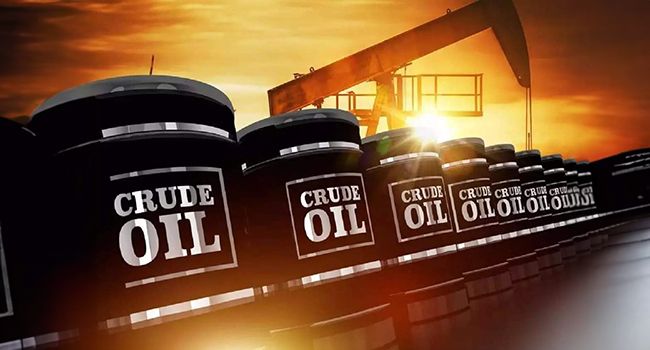
A sustained rise in oil prices above $100 per barrel is emerging as a serious threat to the global economy, with new forecasts warning of slower growth and rising inflation if current trends persist.
The warning comes as tensions in the Middle East continue to drive energy prices higher. In just a few weeks, benchmark oil prices have jumped by roughly 40 to 45 percent, with Brent crude climbing past the $105 mark. The sharp increase is already sending ripples across global markets, raising concerns among policymakers and economists.
According to recent projections, even modest increases in oil prices can weigh on economic performance. Historically, a 10 percent rise in average oil prices has been linked to a 0.1 percentage-point drop in global growth. With prices now significantly elevated, the potential impact is far more pronounced.
If oil remains above $100 for an extended period, global economic growth could decline by at least 0.4 percentage points. At the same time, inflation is expected to accelerate, potentially increasing by more than 1.5 percentage points. The combination of slower growth and rising prices presents a difficult scenario for governments and central banks already navigating fragile economic conditions.
The effects will not be evenly distributed. Economies that rely heavily on energy imports or maintain strong financial and trade ties with Gulf countries are expected to face the greatest pressure. Many nations in sub-Saharan Africa and parts of the Mediterranean fall into this category, making them particularly vulnerable to prolonged market instability.
Beyond energy, the broader economic fallout could intensify if disruptions spread to supply chains involving critical materials like chemicals and metals. Such challenges would further complicate production, trade, and pricing across multiple industries.
There are also growing concerns about government finances. Many countries are already dealing with high debt levels, rising borrowing costs, and increased defense spending. Additional economic strain from elevated energy prices could stretch public budgets even further, limiting the ability of governments to respond effectively.
Despite these risks, some global forecasts remain cautiously optimistic. Current projections suggest that worldwide growth could hold at around 2.9 percent in 2026. However, analysts note that growth would likely have been stronger if not for the recent escalation in geopolitical tensions.
At the same time, global trade is facing mounting challenges. Disruptions in energy, food, and fertilizer markets are compounding existing pressures, contributing to what some experts describe as one of the most difficult periods for international trade in decades.
The situation underscores how quickly geopolitical conflicts can trigger widespread economic consequences. From energy markets to supply chains and government finances, the effects are already being felt—and could intensify if the crisis drags on.
For now, the world is watching closely, as the trajectory of oil prices and the stability of the Middle East remain key factors shaping the global economic outlook.
About the Author