As part of the growing concern over the menace of breast cancer in Nigeria and the plight of patients, the Chairman of the Senate Committee on Primary Health and Communicable Diseases, Senator Mao Ohuabunwa, has urged the federal government to consider the declaration of a national emergency on the fight against cancer.
Ohuabunwa, who made the suggestion at the World Cancer Day Symposium organised by Project Pink Blue in Abuja Tuesday, said there was a need to ensure that breast cancer patients are properly taken care of by the government.
While acknowledging the federal government’s efforts at addressing the challenges posed by cancer, Ohuabunwa said: “Yes, we need them to do more or to lead, but they cannot do it alone. I know the budget of patients are properly taken care of by the government.
“I really want to call that cancer treatment should be made a national emergency. Definitely, it should be a national emergency, and especially in those vulnerable areas, those areas that conflict are preventing patients from going for treatment, for screening and what have you.
“We are having difficulties here. Imagine those who are in those vulnerable areas. How do they go? How do they move? It’s not possible”.
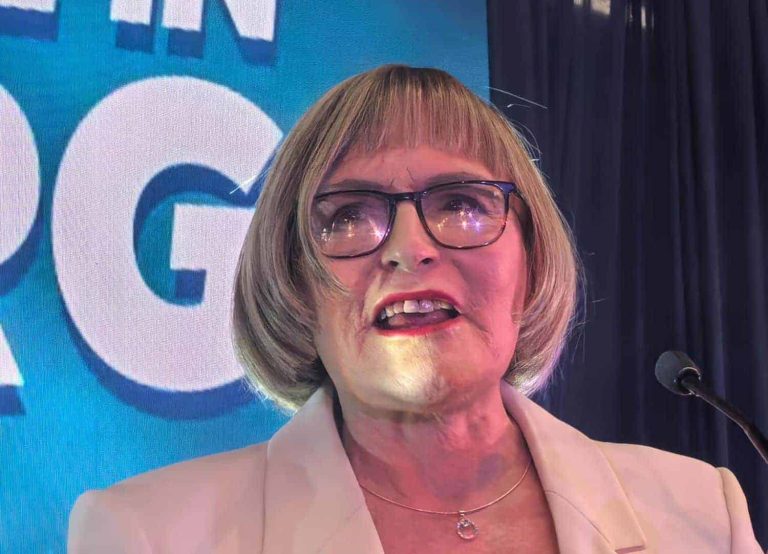
Similarly, the wife of the Imo State Governor and Chairperson of the First Ladies Against Cancer (FLAC), Mrs. Chioma Uzodinma, listed a number of interventions so far made by the First Ladies to tackle cancer in the country.
In her speech, Imo State First Lady said more funds were needed to provide care and support for breast cancer patients
She listed a number of interventions so far made by the First Ladies to tackle cancer in the country.
Uzodinma also spoke of measures being taken by the Imo State Government to reduce the burden of cancer treatment, saying that the government was offering free cancer screening to all subscribers to its health insurance scheme.
On FLAC’s efforts, Uzodinma said: “Under my leadership, since 2025, we have expanded collaborations to good governments, private sector organisations, and international development partners to boost cancer treatment, research, and advocacy.
“Our initiatives span grassroots education, free cancer screening, patient support programs and high-level policy advocacy across states, in partnership with the Federal Ministry of Health and Social Welfare, the National Institute for Cancer Research and treatment, state Ministries of Health, the World Health Organisation, civil society organisations and other key stakeholders.”
She said the body has also mobilised coordinated action towards cervical cancer elimination, supporting HPV vaccination for girls and screening 1000s of women in underserved and vulnerable communities.
On its part, Host of the Breast Cancer Symposium, Project Pink Blue highlighted the challenges posed by conflict and insecurity, which it said were worsening the existing gaps in cancer care.
Project Pink Blue said the conference was aimed at assessing how conflict and insecurity have worsened existing gaps in cancer care across the country and to develop strategies to overcome the challenges.
Onyebuchi Ezigbo
About the Author