National Water and Sewerage Corporation (NWSC) has commended the contribution of German development partners for the transformation of Kampala’s water and sanitation projects.
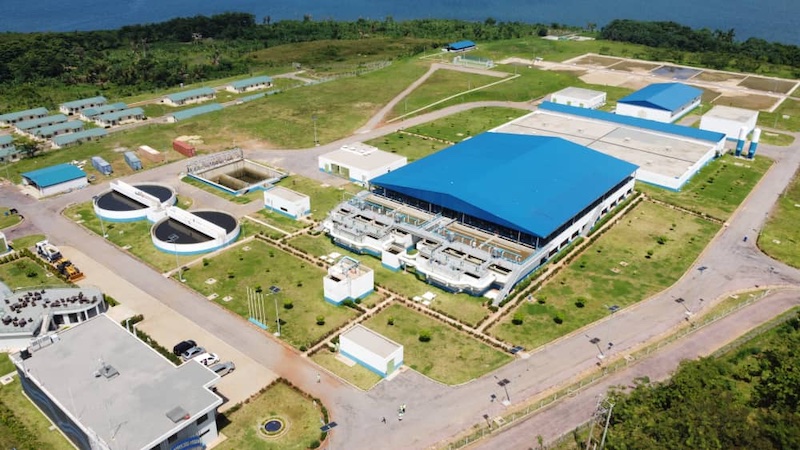
This followed last week’s fact-finding visit by officials from NWSC and KfW around major Kampala projects such as expansion work of Kampala’s Ggaba III water treatment plants and faecal sludge treatment plant at Bugolobi, Lubigi and Nalukolongo.
German development bank KfW has provided over 200 million euros to Uganda’s water and sanitation sector since 2001. The funding has focused on improving water supply and sanitation for urban poor populations in Kampala and Gulu, as well as rural communities and refugee-hosting areas in northern Uganda.
Samuel Apedel, the director public relations at NWSC, says they are grateful to the German partners for increased water access, especially in informal settlements around greater Kampala.
He also noted that the funding from KfW comes through grants with no expectation of it being paid back.
“In Kampala, public toilets have been built in schools, markets and police stations through the German support. The Nalukolongo plant now manages refuse from homes and wastewater. We get it from there and treat it,” Apedel states.
“We benchmarked technology in Germany. The plant uses odor-free technology and produces organic fertilizer as a by-product.”
Apedel also addressed water access issues. “One of the problems we are having in informal settlements is that whereas NWSC is providing water at Shs 25 per jerrycan, people end up selling water to others at between Shs 300 and Shs 500. But we are working to overcome this because right now, we are in the process of installing 1,440 meters in informal settlements around Kampala,” he says.
“Without this support, some of these things would not have been achieved. Every time you put a new water connection, every time you put up a sewage treatment plant, you are actually doing very many good things to improve a community’s health. This saves time for more productive work.”
KfW officials note that the partnership is built on a shared commitment to sustainable infrastructure.
“Our joint investments in clean water and sanitation are essential foundations for public health and economic development,” said Jan Alber, KfW’s country director for Uganda. “We focus on lasting solutions that directly improve lives in both urban and refugee-hosting communities.”
About the Author