The programme is just a year old, but it has already impressed many. It is dubbed “Fixing the Nation: One Conversation at a Time”, and it stars Eric Latiff, Janet Mbugua and Mariam Bishar. The three hold interviews aimed at examining the wrongs in Kenya and how to rectify them.
Communications strategist Gina Din is among the people captivated by the show that airs on NTV, Nation FM and online every weekday from 6 am to 10 am.
In her new book, Beyond the Ballot, she lists the show as among the programmes that “have become a powerful force in demanding transparency and accuracy in government communication”.
“Fixing the Nation” is mentioned in a chapter about government spokespeople and what they should do to project messages impactfully.
“An engaged and critical media plays a crucial role in improving the quality of government communication,” Gina Din writes as she mentions Citizen TV’s News Gang programme as another good Kenyan example in Kenya.

“In countries such as Uganda, Kenya, and South Africa, where the media actively holds the government to account, the role of the spokesperson becomes even more significant. The media’s demand for transparency, accuracy, and responsiveness pushes government spokespersons to deliver high-quality communication,” she adds.
The book was launched at the Nairobi Serena Hotel on February 19 in an event attended by Gina Din and her family, Agriculture Cabinet Secretary Mutahi Kagwe, Foreign Affairs Principal Secretary Korir Sing’oei, former Attorney-General Githu Muigai, various ambassadors based in Kenya, among other dignitaries.
The Nation Media Foundation, which was a partner for the launch, was also represented, as was the Ford Foundation and the Law Africa publishing outfit.
Nation Media Group CEO Geoffrey Odundo, in a speech read on his behalf by Chief Corporate Affairs and Partnerships Officer Monicah Ndung’u, said the book is a great addition to African knowledge.
“Our partnership around ‘Beyond the Ballot’ reflects our belief that when communication improves, governance improves and when governance improves, society benefits,” said Mr Odundo.
“By choosing to write, to document, and to invite conversation, you are contributing to institutional memory and to the growth of future leaders,” he added. “Trust is not automatic; you say this repeatedly in your book. It is built consistently, transparently, and together all this is interwoven by how clearly the messages crafted by institutions – not just by government – are not only delivered but also received.”
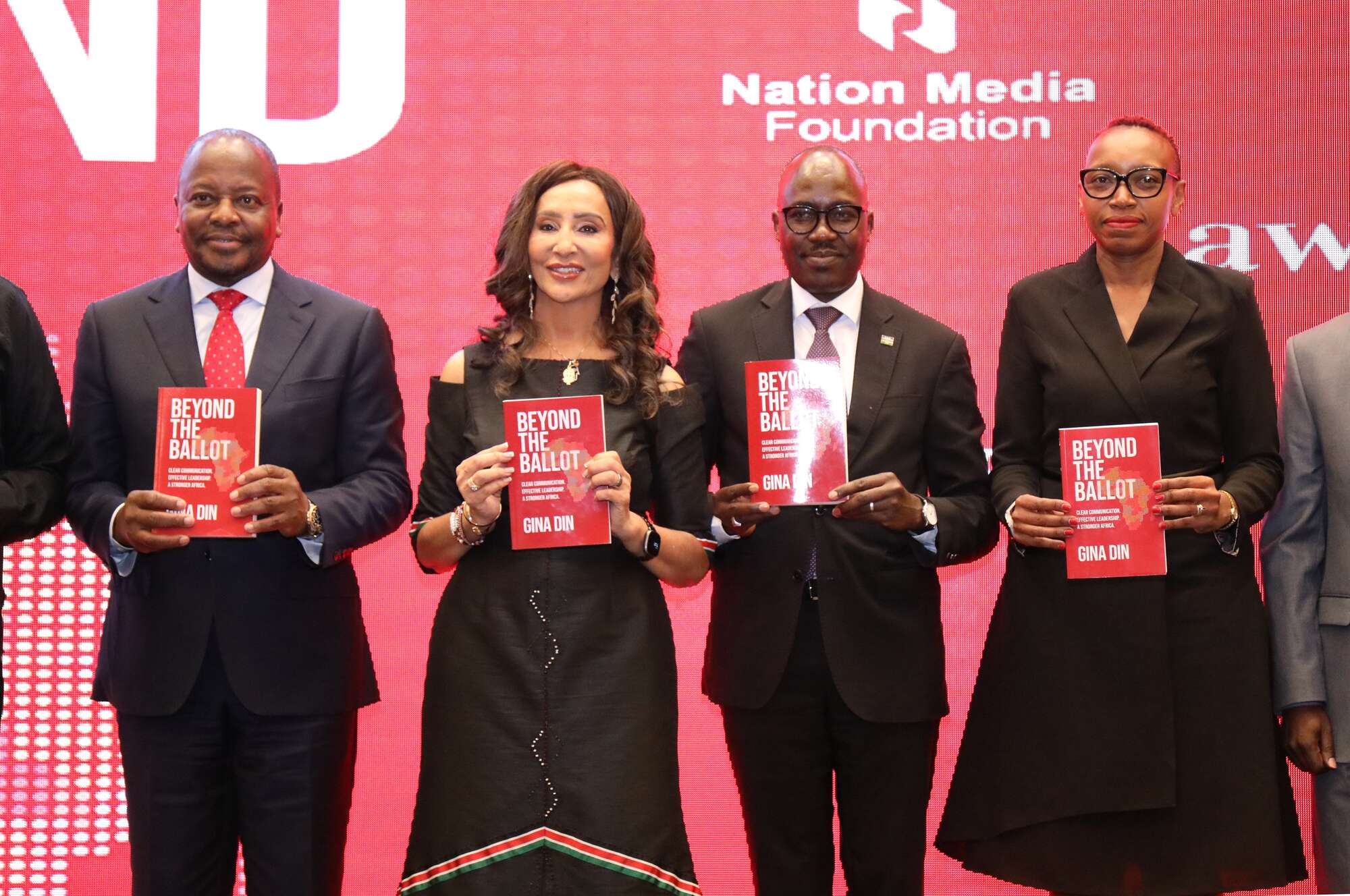
Dr Sing’oei, who was the guest of honour at the launch, said that through the book, the author interrogated “the pivotal role of communication in leadership”.
“This book sits at the intersection of governance practice, strategic communication, institutional strengthening, crisis leadership, and continental influence. In this body of work, Gina Din distils wisdom from her own professional engagement and the experience of others to speak directly to African leaders, governments, policy actors, and institutions, including our own African Union, on the centrality of effective communication in the exercise of governance,” said the PS.
“Her primary thesis, in my view, seems to be that it’s effective, sustained, strategic, and authentic communication that enables citizens’ trust to be engendered,” he added.
In the book, Gina Din applauds some of the best public spokespeople in Africa, and curiously, no Kenyan makes the cut.
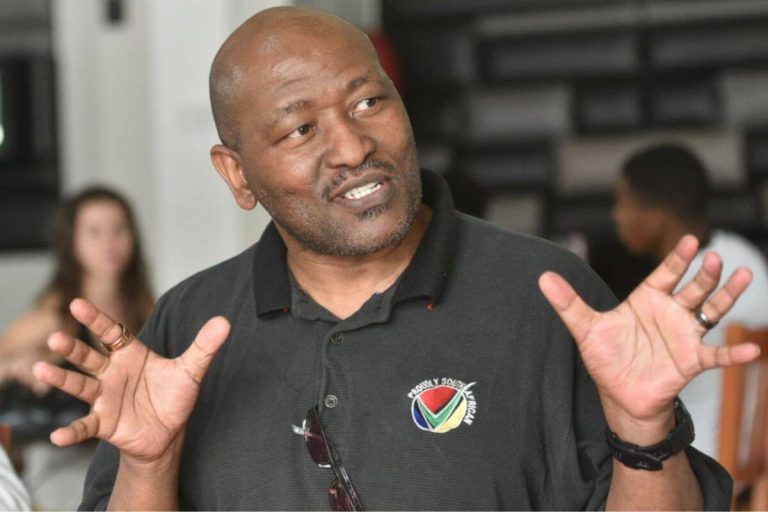
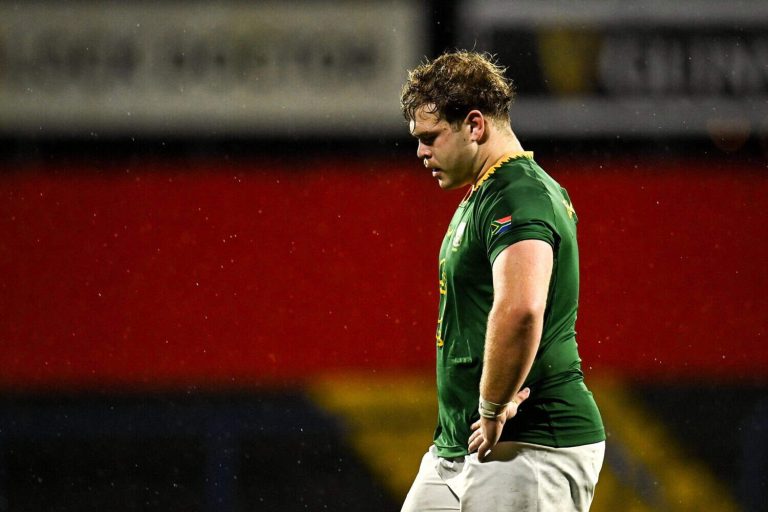
South Africa’s Clayson Monyela, Namibia’s Alfredo Hengari and Ethiopia’s Billene Seyoum Woldeyes receive the accolades for effectively articulating their messages during demanding times.
In the case of Mr Monyela, she writes that he “exemplifies the power of strategic government communication”.
“Monyela’s ability to represent South Africa’s interests on the global stage has been a significant asset in managing diplomatic relations and national perceptions abroad,” she states.
Mr Monyela is the head of public diplomacy in President Cyril Ramaphosa’s government. Mr Ramaphosa also has a separate spokesman for his office.
Namibia’s Alfredo Hengari receives accolades in Gina Din’s book for showing how “clear and authoritative communication can enhance a country’s credibility”.
Dr Hengari was the presidential press secretary to Hage Geingob, who was Namibia’s president between 2015 and 2024.
“Known for his calm demeanour and eloquent responses, Dr Hengari has represented Namibia’s government in various international and domestic platforms. His ability to convey the government’s stance on sensitive issues such as the land reform debate and economic policy has been instrumental in shaping both domestic and international views of Namibia,” writes Gina Din.
Gina Din’s final African example, Billene Seyoum Woldeyes of Ethiopia, is celebrated for helping “bolster Ethiopia’s diplomatic standing and maintain national unity during times of political and social tension”.
“She has managed media relations with professionalism, ensuring that Ethiopia’s voice [is] heard with clarity, even amid challenges,” writes Gina Din, who notes that some of the controversies that Billene has waded through include the disputed Grand Ethiopian Renaissance Dam.
Dr Seyoum is the press secretary in the office of Ethiopian Prime Minister Abiy Ahmed.
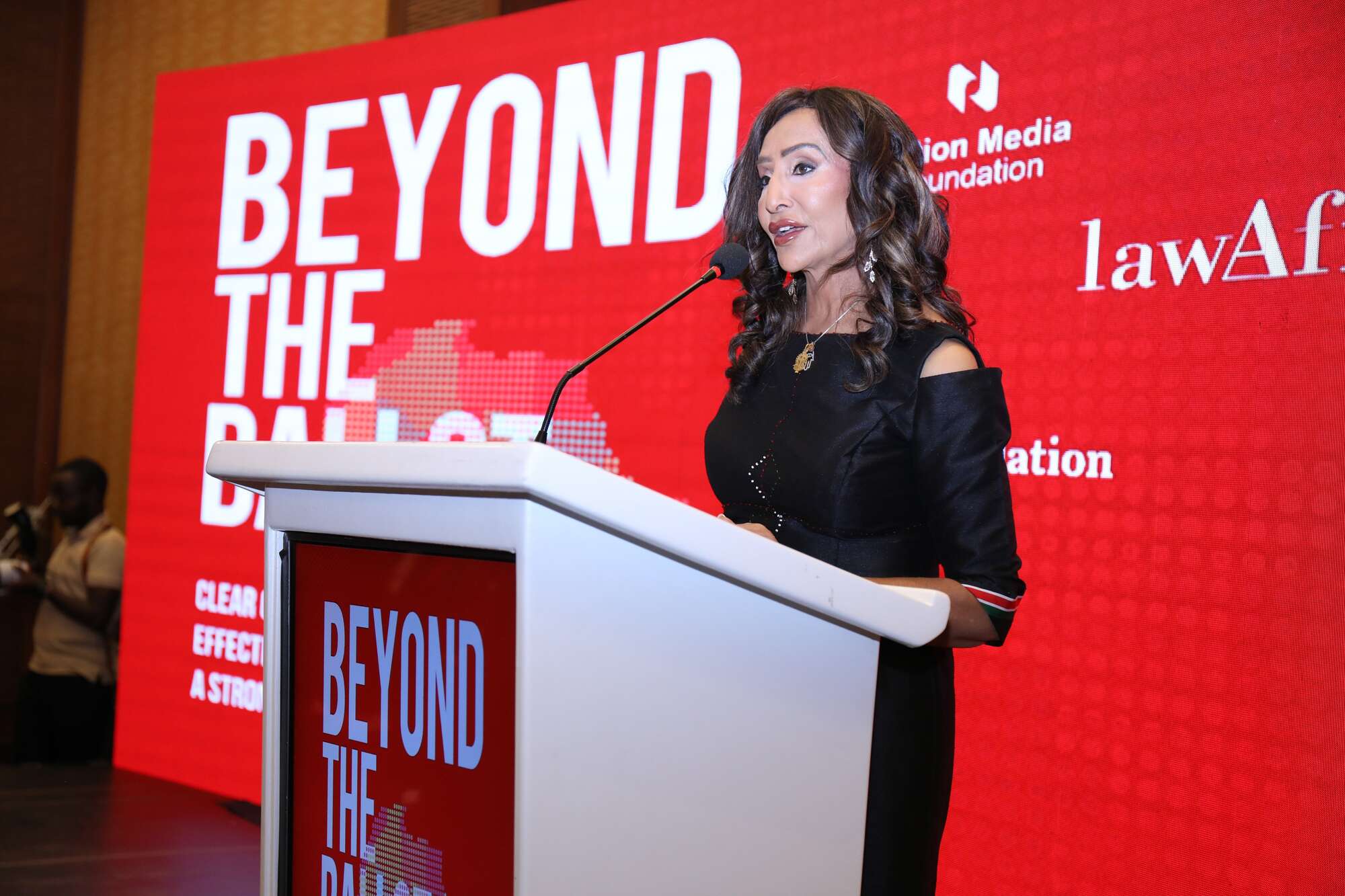
During the book launch, Gina Din said she didn’t write the book to criticise.
“I wrote ‘Beyond the Ballot’ not as a verdict, not as criticism, but as a contribution; an invitation to move the moment of winning power to the discipline of exercising it wisely; an invitation to treat trust as strategic capital,” she said.
It is in a sub-topic titled “Elevating Africa’s Spokespersons” that she gives examples of some of those who have excelled.
In another chapter, a Kenyan example of good communication is given based on the messaging during the Covid-19 pandemic. Mr Kagwe and former Health Chief Administrative Secretary Mercy Mwangangi get accolades for being effective communicators at the time.
In fact, Dr Mwangangi has co-written one of the sub-chapters with Gina Din, where she looks back at the messaging during the Covid era.
“It became clear very quickly: this would not only be fought in hospitals; it would also be fought in the public imagination. How we communicated would decide how people behaved. And how people behaved would decide how many would live,” Dr Mwangangi, who is today the CEO of the Social Health Authority, says.
She also explains how Mr Kagwe, who was just days into his job as the Health boss when the first case of Covid was confirmed in Kenya, helped steady the ship.
“Appointing Kagwe was a masterstroke. He didn’t just manage the pandemic. He framed it, communicated it, and led the country through it – not with slogans, but with steadiness. Memes were made about him. Parodies circulated. But through it all, Kagwe embraced the country, and in turn, the country embraced him. He became the public face of calm in a season of uncertainty. He was not distant, not dramatic, just present,” she says.
“We didn’t pretend to have all the answers. But we were always present. And in a crisis, presence matters more than perfection,” adds Dr Mwangangi.
Gina Din said at the launch, “If this book sparks conversation, I would have done the work. We have spent years saying Africa is the future. The future is no longer ahead of us. Africa has risen. Now we must lead like it has. And conversations like this are for that leadership.”
About the Author