Nigeria Sovereign Investment Authority (NSIA) is partnering with International Finance Corporation (IFC), a member of the World Bank Group, to scale oncology and diagnostic services to underserved communities across the country.
The initiative will deliver over a dozen modern diagnostic and treatment centres across Nigeria, create 800 direct jobs, and train more than 500 healthcare professionals in oncology and cardiology specialties.
The project is valued at $154.1 million, with IFC contributing about $24.5 million, about (N14.2 billion) in long-tenor local currency financing, marking the corporation’s first healthcare investment in the country using this structure.
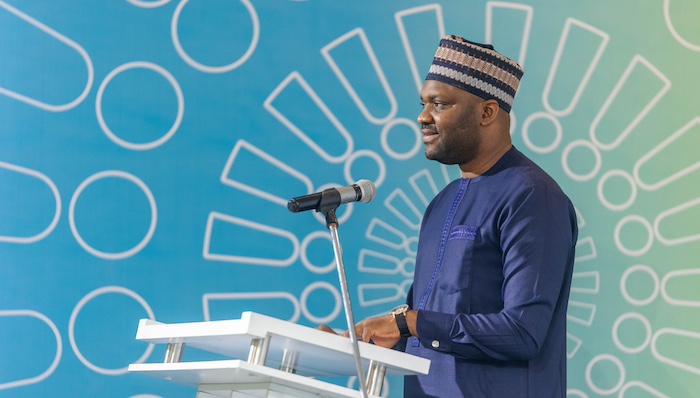
Speaking during the formalisation of agreement in Abuja, Managing Director/Chief Executive, NSIA, Mr. Aminu Umar-Sadiq, said, “This partnership with IFC represents a significant milestone in NSIA’s commitment to strengthening Nigeria’s healthcare ecosystem through sustainable, locally anchored investment solutions.”
Umar-Sadiq said, “By deploying long-tenor naira financing, we are addressing critical infrastructure gaps while reducing foreign exchange risk and ensuring that quality diagnostic and cancer care services are accessible to underserved communities.
“MedServe’s expansion underscores our belief that commercially viable healthcare investments can deliver strong development impact while supporting national health priorities.”
In addition, the deal allows both parties to provide naira-denominated financing to NSIA Advanced Medical Services Limited (MedServe), a wholly owned healthcare subsidiary of NSIA.
Supported by International Development Association’s Private Sector Window Local Currency Facility, the financing enables MedServe to scale critical healthcare infrastructure while mitigating foreign exchange risks.
Commenting on the historic partnership, IFC Vice President for Africa, Ethiopis Tafara, said, “Nigeria’s focus on addressing the rising prevalence of non communicable diseases presents a significant opportunity to deploy innovative financing mechanisms capable of mobilizing private capital at scale, while ensuring equitable access to quality care.
“This ambition is consistent with our broader vision for Africa, one where resilient health systems and inclusive growth reinforce each other to deliver long term impact across the continent.”
Essentially, the funds will support MedServe’s expansion programme to establish diagnostic centres, radiotherapy-enabled cancer care facilities, and cardiac catheterisation laboratories across several Nigerian states.
The centres will feature advanced medical technologies, including CT and MRI imaging, digital pathology labs, linear accelerators, and cardiac catheterisation equipment, enhancing the provision of specialised diagnostics and treatment.
MedServe provides sustainable service delivery with pricing designed to match local income levels, helping ensure broader access to affordable oncology care for low-income patients.
As Nigeria advances its Universal Health Coverage aspirations, modernising healthcare remains a priority. This partnership provides an opportunity to leverage private investment to complement government efforts to expand oncology care and diagnostic services.
IFC’s provision of long-tenor naira financing addresses a significant market gap and unlocks institutional capital for healthcare infrastructure with strong development upside.
Its co-location strategy with public hospitals maximises capital efficiency and strengthens the public-private ecosystem, establishing a replicable platform for future investment.
The investment also aligns with Nigeria’s Universal Health Coverage compact and World Bank Group’s Country Partnership Framework, and supports the Health Sector Renewal Investment Initiative and Presidential Initiative for Unlocking the Healthcare Value Chain, which prioritise attracting private healthcare investment and strengthening domestic capacity.
Beyond financing, IFC will offer advisory support to enhance MedServe’s operational capacity, including global best practices in patient safety, expanded measurement of access among low-income groups, and EDGE certification for green building standards.
The project is fully aligned with the Paris Agreement, with a substantial portion of investment classified as climate finance. Construction will continue through 2026, with first facilities expected to open in the second half of the year.
James Emejo
About the Author