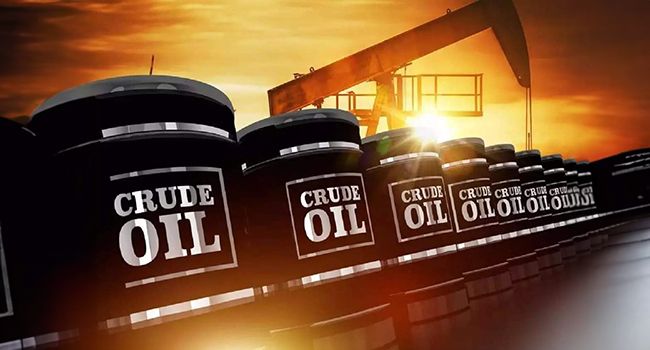
Europe’s top oil producer begins planning long-term shift amid climate pressure
Norway has announced plans to establish a national commission that will examine how the country can gradually transition its economy away from oil and gas, a major concession secured by the Greens Party in exchange for supporting the government’s 2026 budget.
The Scandinavian country, Europe’s largest producer of oil and natural gas outside Russia, owes decades of wealth and high living standards to its petroleum sector. But those same fossil fuels have become central to the global climate crisis, pushing Norway into an increasingly delicate political debate about its future.
Following intense negotiations that stretched from Tuesday night into early Wednesday, the minority Labour government agreed to the Greens’ demand to set up the transition commission.
According to the government, the body will explore “scenarios and measures aimed at improving the adaptability of the Norwegian economy,” with a particular focus on how workers and natural resources can be redirected as output from the Norwegian continental shelf enters a new era of declining oil and gas production.
Ahead of the September parliamentary elections, the Greens had campaigned on an ambitious pledge for Norway to completely phase out fossil fuels by 2040, a proposal that sparked nationwide debate in a country long shaped by petroleum wealth.
Electric Vehicle VAT Exemption Extended
In addition to the commission, the Greens successfully negotiated changes to the government’s plan to scale back tax incentives for electric vehicles. Under Labour’s original budget proposal, the threshold for VAT-free EV purchases was due to drop from 500,000 kroner ($50,000) to 300,000 kroner next year, before the exemption was to be abolished entirely in 2027.
The new agreement delays the full removal of the VAT exemption until 2028, pending approval from European regulatory authorities.
Norway currently leads the world in electric car adoption, with EVs accounting for nearly all new vehicle registrations, a result of generous incentives introduced to help reduce the country’s carbon footprint.
About the Author