Northern Christian Leaders Adopt New Identity as Forum of Northern Christians
Christian leaders from the 19 northern states and the Federal Capital Territory have formally adopted a new identity, unveiling the Forum of Northern Christians (FNC)—also known as the Northern Christian Association—in a move aimed at clarifying their regional mandate while reaffirming loyalty to the national Christian body. The decision was reached on Thursday in Kaduna …
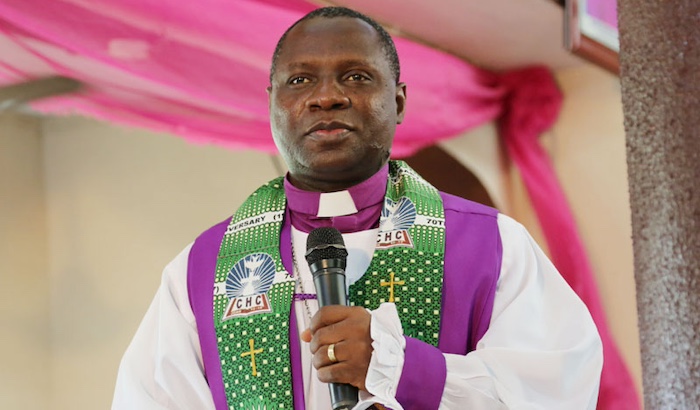
Christian leaders from the 19 northern states and the Federal Capital Territory have formally adopted a new identity, unveiling the Forum of Northern Christians (FNC)—also known as the Northern Christian Association—in a move aimed at clarifying their regional mandate while reaffirming loyalty to the national Christian body.
The decision was reached on Thursday in Kaduna during a high-level stakeholders’ meeting attended by state chairmen from across the North and the FCT, alongside their secretaries and representatives of youth and women wings.
The gathering also coincided with the first anniversary in office of the northern chairman, Rev. Joseph Hayab.
Previously known as Northern CAN, the leaders said the designation often generated confusion about their relationship with the national structure of the Christian Association of Nigeria (CAN).
Addressing journalists after the meeting, Hayab explained that the change marks a return to historical roots rather than a breakaway. He traced the body’s origins to 1964 in Kaduna, when it operated as the Northern Christian Association before evolving into the national umbrella body in 1976.
According to him, reviving the original name restores its foundational identity while maintaining full allegiance to CAN under its current President, Daniel Okoh.
“We are CAN. We are Christians, and we remain members of CAN,” Hayab stated, emphasising that the Forum simply seeks a clearer regional identity when addressing issues affecting Christians in Northern Nigeria.
He added that the deliberate exclusion of the word “Nigeria” from the revived name was intended to avoid any perception of rivalry with the national body and to underscore respect for the mother organisation. The Forum, he disclosed, has now been formally registered and incorporated as the Forum of Northern Christians and the FCT.
Outlining its priorities, Hayab said the body would focus on key concerns including religious freedom, access to quality education, shortages of Christian Religious Knowledge teachers, and what he described as limited admission opportunities for Christian children in some parts of the North.
“Our goal is equal citizenship, equal respect, and equal opportunities for Christians in Northern Nigeria,” he said.
Providing historical context, Samuel Salifu, identified as the first General Secretary of Northern CAN, recalled that the Northern Christian Association was established in 1964 and later transformed into the national Christian umbrella body in 1976 during the military administration of Olusegun Obasanjo.
He noted that the late Interior Minister, Shehu Shagari, played a role in formalising its registration at the time.
Salifu explained that the current name change was largely driven by misconceptions suggesting that the regional body operated independently or in opposition to CAN.
“There was never a Northern CAN as a separate entity from CAN,” he clarified, adding that the new registration clearly defines its place within the national framework.
Elder cleric Rev. Emmanuel Dziggau described the 1964 formation as a survival response by Christians in the region and urged present leaders to remain steadfast in promoting justice and equity.
In a virtual address, scholar Yusuf Turaki highlighted ongoing insecurity across Northern Nigeria, citing kidnappings, displacement, and destruction of livelihoods affecting many Christian communities. He called on the Forum to continue advocating lawful and constitutional measures to safeguard vulnerable groups.
At the close of the meeting, stakeholders reaffirmed their unwavering loyalty to the national CAN leadership and pledged continued collaboration with the central body while maintaining a distinct and well-defined regional structure. They also expressed appreciation to past leaders for their contributions to Christian leadership in Northern Nigeria.
The leaders concluded that adopting the Forum of Northern Christians is intended to provide clarity—not division—reiterating their commitment to justice, equality, and peaceful coexistence within the framework of Nigeria’s Constitution.
About the Author