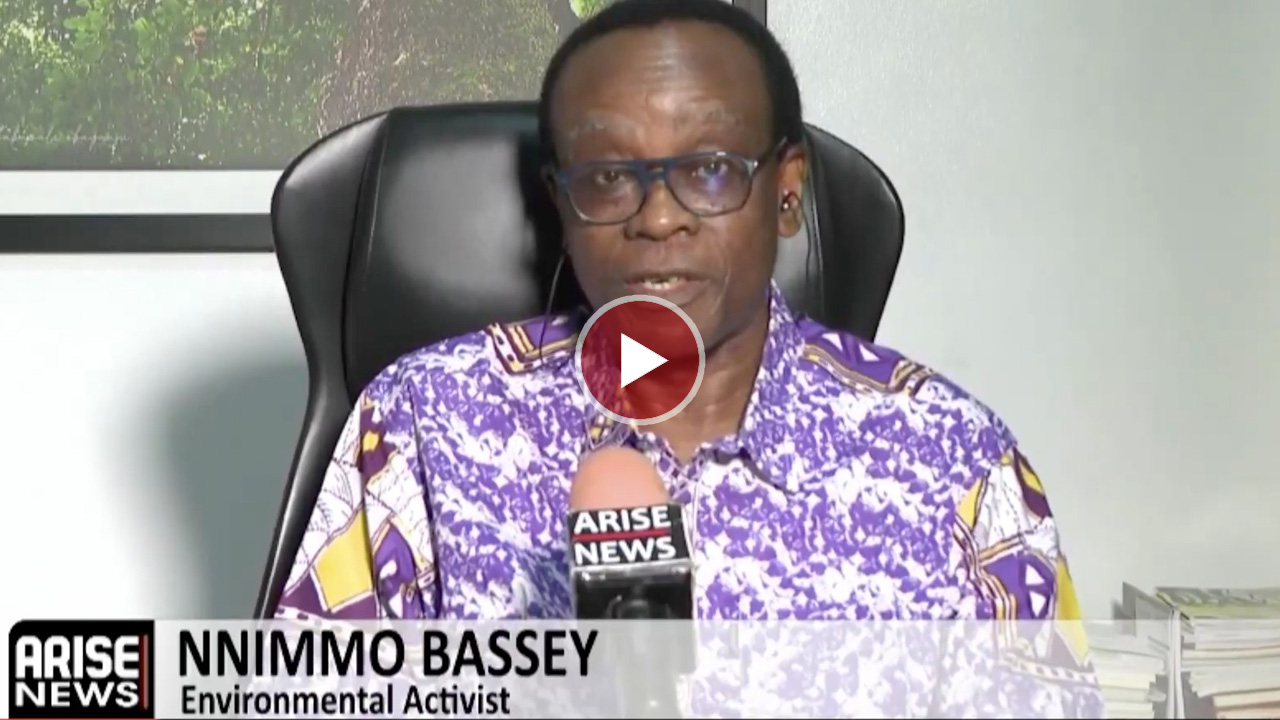

Environmental activist and architect, Nnimmo Bassey, has the Lagos State Government over recent demolitions in Makoko and other informal settlements, describing the actions as “planned dispossession” that harm the poor and destroy livelihoods.
Speaking in an interview with ARISE News on Friday, Bassey said the government’s justification of public safety and urban renewal are “mere excuses” for the forceful eviction of vulnerable communities.
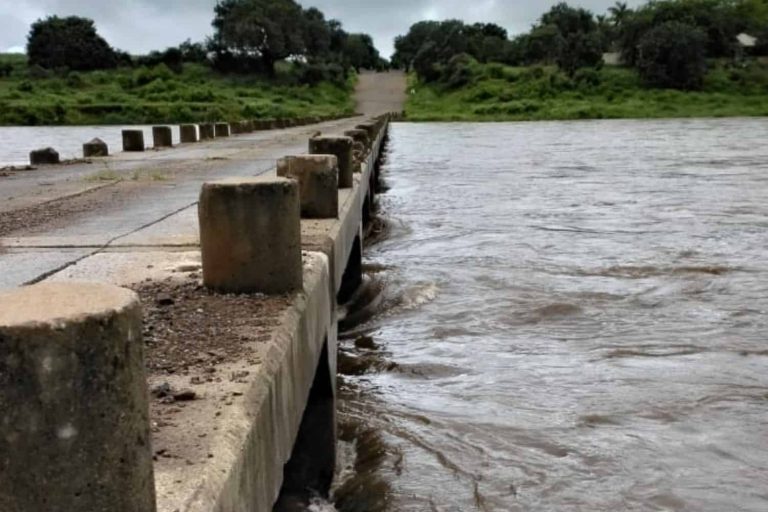
“The Makoko incidents and ongoing challenges are in the public space; those passing the Menda Bridge don’t have to search for where Makoko is or was,” Bassey said.
“The arguments given by the state regarding what they’ve done are just excuses. The issue of urban renewal is not strange, but what we’ve seen consistently is forced evictions of poor communities.”
Bassey noted that the government initially demanded residents maintain statutory setbacks beneath high-tension electricity lines, but repeatedly increased the distance from 30 metres to over 300 metres, effectively displacing entire neighbourhoods.
“The idea is to flush out, to destroy the entire architecture, the entire neighbourhood and communities on the waters of that part of Lagos Lagoon,” he said.
He also criticised the state for inadequate engagement and compensation for affected residents. “The Lagos State Government has handled this situation very poorly,” Bassey said.
“We are talking about a community with very dense population, very active, struggling Nigerians. It is the government’s duty to ensure that everybody can live in dignity, with access to clean water, sanitation, and power. Destruction of communities can never be a good way to respond to urban problems.”
Bassey warned that the demolitions amount to “continuous planned dispossession, evicting the poor so the rich can have shiny estates and leisure parks.”
He highlighted that Makoko and similar settlements were often targeted after being used as campaign grounds by politicians. “During election campaigns, Makoko would be a good place to harvest votes,” he said.
“But when it comes to governing, the pendulum always turns away from the poor people. This is the crisis of the nation.”
On the legal and planning side, Bassey urged the government to respect existing court rulings and adopt inclusive, expert-led urban planning. “The government should physically go to the disaster zone, see what they’ve done, and sit down with the people,” he said.
“Architects and urban planners should plan how to restructure Makoko, replicating the floating structures that stood above the waters, and make it accessible and affordable so people can restart their livelihoods. Even boats and canoes, the only means of earning a living, were destroyed.”
Bassey concluded by urging a halt to the evictions and a shift toward urban development that protects, rather than punishes, the poor.
Boluwatife Enome
About the Author