Labour union warns fresh funding won’t fix chronic outages, calls for sweeping reforms and people-focused energy policy….
The Nigeria Labour Congress (NLC) has firmly opposed the Federal Government’s proposed N6 trillion bailout for the country’s struggling electricity sector, arguing that years of financial interventions have failed to deliver stable power to Nigerians.
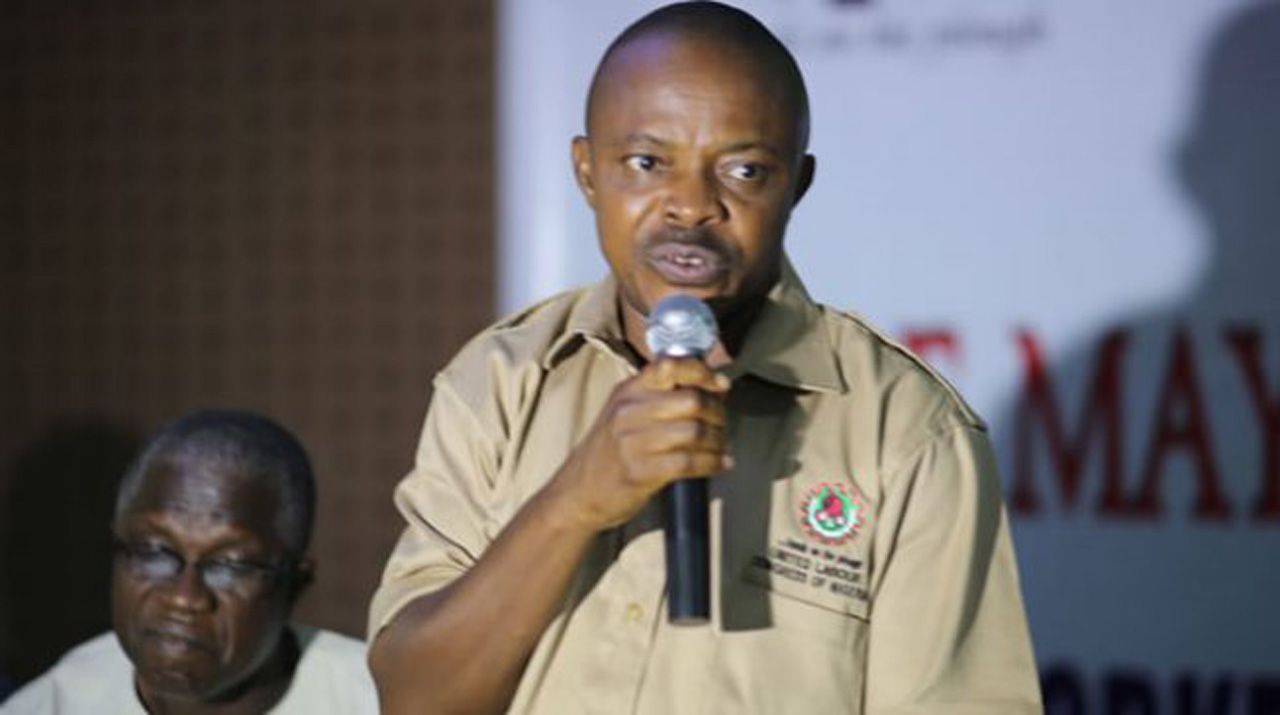
In a statement issued on Sunday in Abuja, NLC President Joe Ajaero said the planned bailout reflects deeper systemic issues that cannot be solved by injecting more money into what he described as a fundamentally flawed system.
According to the labour leader, repeated bailouts over the years have done little to improve electricity supply, even as consumers continue to grapple with rising tariffs and unreliable service.
“The proposed N6 trillion bailout is a mere symptom of deeper structural failures in the power sector,” Ajaero said. “We cannot continue to deploy public funds to sustain inefficiencies while ordinary Nigerians bear the burden through high costs and persistent outages.”
He stressed that meaningful reform not additional funding should be the government’s priority, urging authorities to halt the bailout plan and instead focus on restructuring the sector to better serve public interest rather than private profit.
As part of the proposed changes, the NLC called for the consolidation of the Ministries of Power and Petroleum into a single energy ministry to improve coordination, particularly in the supply of gas used for electricity generation.
Ajaero also advocated treating electricity as a social service rather than a purely commercial venture, suggesting the convening of a broad stakeholders’ summit to design a sustainable and inclusive roadmap for the sector.
A Sector Under Strain
Nigeria’s electricity crisis continues to weigh heavily on both households and businesses, with erratic supply forcing millions to rely on expensive alternatives such as petrol and diesel generators.
Current generation levels hover between 4,000 and 5,000 megawatts, far below the estimated 20,000 megawatts required to meet the needs of the country’s population of over 200 million people.
Financial challenges further complicate the situation. Power generation companies are owed an estimated N6.8 trillion, a debt burden that has been building for over a decade and continues to grow monthly. This liquidity crunch has made it difficult for operators to maintain infrastructure, procure spare parts, and secure adequate gas supplies.
Gas suppliers critical to the system are among the most affected, accounting for a significant share of the outstanding debts. With gas-fired plants responsible for roughly 70 percent of Nigeria’s electricity generation, any disruption in fuel supply has immediate consequences for national output.
Billions Spent, Problems Persist
Despite multiple government interventions in recent years, including large-scale debt repayment and infrastructure investments, the sector has struggled to achieve stability.
Authorities previously rolled out a multi-trillion-naira bond programme to clear debts owed to generation companies and gas suppliers, alongside additional funding to sustain fuel supply to thermal plants. Significant budget allocations have also gone into upgrading transmission networks, expanding capacity, and rolling out millions of electricity meters.
Yet, these efforts have not prevented recurring system failures. Nigeria experienced several national grid collapses in 2025, with more disruptions recorded in early 2026 highlighting the fragility of the country’s power infrastructure.
Growing Calls for Reform
The NLC’s rejection of the proposed bailout adds to mounting pressure on policymakers to rethink the current approach to managing the electricity sector.
With public frustration rising and economic productivity at stake, the union insists that only deep, structural reforms rather than repeated financial injections can deliver the reliable and affordable power supply Nigerians have long demanded.
As debates intensify, the government now faces a critical decision: continue funding the existing system or undertake the difficult reforms needed to transform it.
About the Author