CBN data shows fuel imports fall sharply in 2025, while gas and non-oil exports climb, supporting goods account surplus….
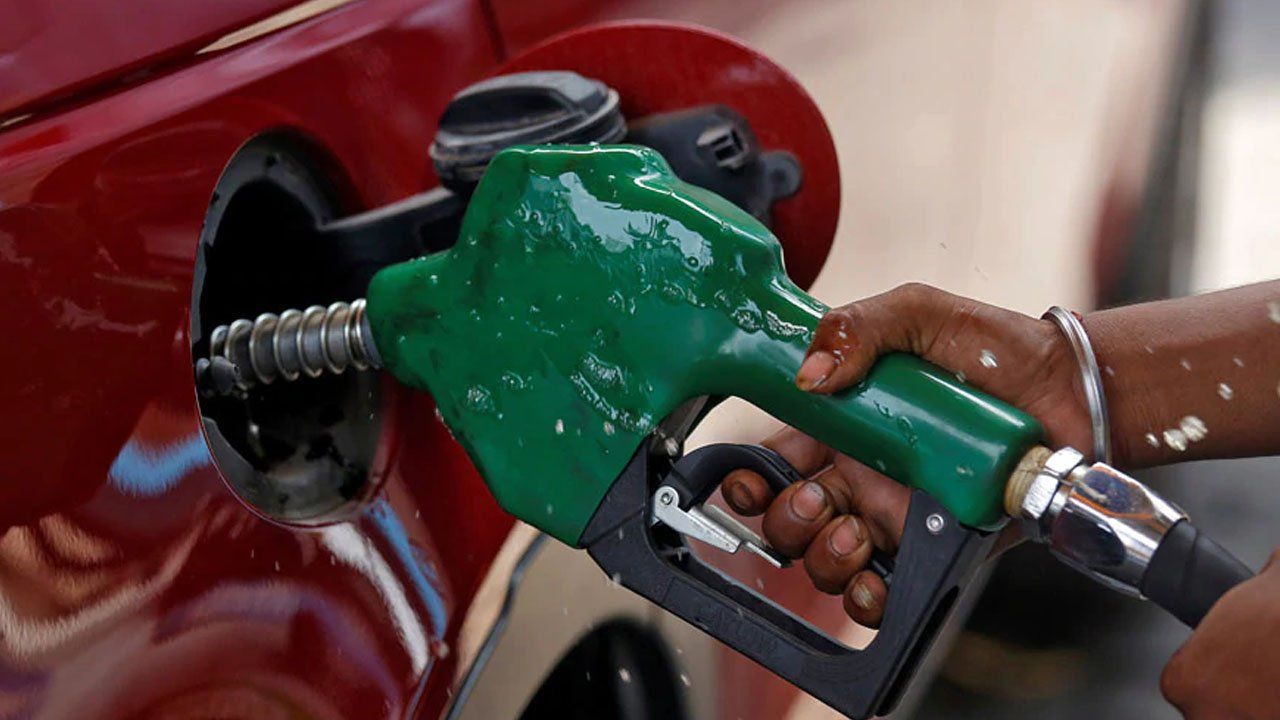
Nigeria’s petrol import bill saw a sharp decline in 2025, dropping to $10 billion, according to the Central Bank of Nigeria (CBN) 2025 balance of payments report. This represents a 28.88% decrease from the $14.06 billion recorded in 2024, signaling a major shift in the country’s energy trade dynamics.
The reduction in fuel imports is largely attributed to the start of petrol production at the Dangote Industries Limited refinery. On September 3, 2025, Chairman Aliko Dangote officially announced the refinery’s petrol production, which has significantly eased Nigeria’s reliance on imported refined fuel.
While petrol imports fell, non-oil imports rose from $25.74 billion in 2024 to $29.24 billion in 2025, a 13.6% increase, highlighting continued domestic demand for manufactured goods and services.
The report also revealed mixed trends in Nigeria’s export earnings:
- Crude oil exports declined by 41%, from $36.85 billion in 2024 to $31.54 billion in 2025.
- Gas exports grew by 36%, from $8.66 billion to $10.51 billion.
- Non-oil exports rose 8%, reaching $9.31 billion in 2025 from $7.46 billion the previous year.
Overall, the CBN said the goods account, the main component of the current account, remained in surplus, recording $14.51 billion, up from $13.17 billion in 2024. This improvement was attributed to increased gas exports and refined petroleum products from the Dangote refinery, valued at $5.85 billion, which also drove the notable drop in fuel imports.
Despite the positive trend in the goods account, Nigeria’s current account surplus fell to $14.04 billion in 2025, down from $19.03 billion in 2024, primarily due to lower crude oil export earnings and crude oil imports of $3.74 billion by the Dangote refinery.
Other factors affecting the balance of payments included:
- A 13% increase in net outflows for services, from $13.36 billion to $14.58 billion.
- A 88% surge in primary income outflows, rising from $5.65 billion to $9.09 billion.
- A decrease in the secondary income account, from $24.88 billion to $23.20 billion.
The financial account showed net borrowing of $1.69 billion in 2025, compared with net lending of $9.65 billion in 2024. Overall, Nigeria ended the year with a balance of payments surplus of $4.23 billion, down from $6.83 billion in 2024, while external reserves increased to $45.75 billion, a 13.83% rise from the end of 2024.
The report underscores how domestic refining capacity, particularly from the Dangote refinery, is reshaping Nigeria’s energy trade, reducing reliance on imports, and supporting a stronger goods account despite challenges in crude oil earnings.
About the Author