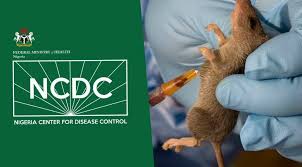
As Lassa fever cases rise across Nigeria, the Nigeria Centre for Disease Control (NCDC) has warned that healthcare workers are particularly at risk, calling for urgent action to protect medical staff and prevent further fatalities.
The advisory, released on Monday and signed by NCDC Director-General, Jide Idris, reported that as of Epidemiological Week 7 of the 2025/2026 outbreak season, 15 healthcare workers had tested positive for Lassa fever, with two deaths recorded. The agency described the safety of medical personnel as its “highest priority” and expressed condolences to the families of those affected.
Infections have been reported in multiple states, including Ondo, Edo, Bauchi, Taraba, Ebonyi, and Benue, with certain local government areas identified as hotspots. Investigations into these cases revealed gaps in infection prevention and control (IPC) practices, missed exposure risks, and inconsistent or improper use of personal protective equipment (PPE).
The NCDC noted that healthcare workers in outpatient departments and general wards often underestimate their risk, mistakenly believing that only isolation units pose danger. Non-clinical staff, including cleaners, porters, and administrative personnel, are also vulnerable and must be included in IPC training and protective measures.
Delays in seeking care by infected healthcare workers, often averaging six days due to fear, stigma, or self-medication—further increase the risk of severe illness and transmission. Outside hospital settings, exposure can also occur in communities affected by rodent infestations, with infections often resulting from contact with contaminated blood, urine, vomit, or other body fluids, as well as contaminated surfaces or instruments.
The NCDC emphasized that standard precautions must be applied to all patients at all times, including – Washing hands with soap and running water or using alcohol-based hand rub before and after patient contact, after exposure to body fluids, and after removing gloves, proper use of PPE based on risk, safe handling of injections and specimens, effective medical waste management and regular environmental cleaning and disinfection
Healthcare facilities are also required to ensure adequate supplies and proper use of gloves, face masks, respirators, eye protection, fluid-resistant gowns or coveralls, disinfectants, sharps containers, and medical waste bins.
Finally, the NCDC directed all states and health facilities to establish functional isolation areas and, where possible, maintain designated Lassa fever treatment centres to limit the spread of the virus and protect healthcare personnel.
About the Author