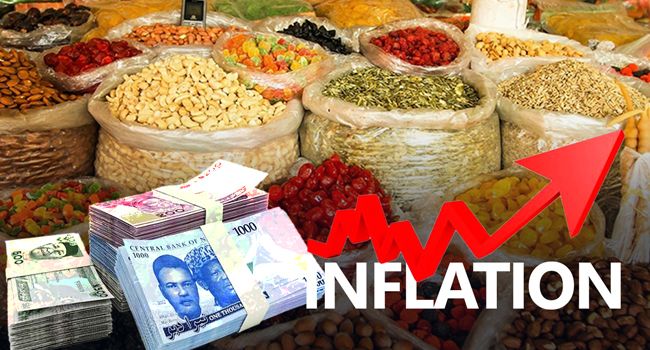
Nigeria’s headline inflation rate slowed to 15.15 percent in December 2025, the National Bureau of Statistics (NBS) reported on Thursday, marking a sharp moderation in price pressures compared with both the previous month and the same period last year.
The adjustment follows a methodological review and the rebasing of the Consumer Price Index (CPI).
According to the NBS report, the CPI rose to 131.2 points in December 2025 from 130.5 points in November, reflecting a slower pace of price increases.
On a year-on-year basis, inflation fell from 17.33 percent in November 2025 and was significantly lower than the 34.80 percent recorded in December 2024, highlighting a notable deceleration in headline inflation over the twelve-month period.
The bureau explained that methodological changes, including the adoption of a twelve-month index reference period with the average CPI for 2024 set to 100, rather than a single-month reference, contributed to the revised November and December figures.
The adjustment aligns Nigeria’s CPI calculations with international best practices, as outlined by the IMF Consumer Price Index Manual and the ECOWAS Harmonised CPI Manual.
On a month-on-month basis, headline inflation eased to 0.54 percent in December 2025 from 1.22 percent in November, indicating a moderation in short-term price pressures.
Despite the improvement, the twelve-month average inflation rate remained elevated at 23.01 percent, reflecting the cumulative impact of inflation throughout the year.
Sectoral Drivers of Inflation
Food and non-alcoholic beverages remained the largest contributors to headline inflation, accounting for 6.06 percentage points of the year-on-year rate. Other significant contributors included:
Restaurants and accommodation services: 1.96 percentage points
Transport: 1.62 percentage points
Housing, water, electricity, gas, and other fuels: 1.28 percentage points
Other sectors, including education, health, clothing and footwear, and information and communication, contributed to inflation at lower levels.
Urban vs Rural Inflation Trends
Both urban and rural areas recorded significant declines in year-on-year inflation. Urban inflation fell to 14.85 percent in December 2025 from 37.29 percent in December 2024, while rural inflation dropped to 14.56 percent from 32.47 percent over the same period.
On a month-on-month basis, urban inflation edged up slightly to 0.99 percent from 0.95 percent in November, whereas rural inflation recorded a decline of 0.55 percent, compared with a 1.88 percent increase in the previous month.
The twelve-month average inflation rates were 23.46 percent for urban areas and 21.93 percent for rural areas.
The NBS noted that while headline inflation is moderating, food prices and other essential services continue to exert pressure on household budgets, underscoring the need for sustained policy measures to maintain price stability.
About the Author