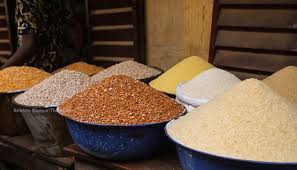
Recent data from the Central Bank of Nigeria (CBN) show that the country spent $2.39 billion on imported food products between April 2024 and March 2025, marking an 11.6% increase from the $2.14 billion recorded in the corresponding period a year earlier.
The analysis of the CBN’s sectoral foreign exchange report indicates that Nigeria’s dependence on food imports continues to grow despite government efforts to boost local production and curb foreign exchange outflows.
The rise in spending comes amid worsening food insecurity and malnutrition, with millions of Nigerians struggling to afford basic staples.
A report by the International Federation of Red Cross and Red Crescent Societies (IFRC) in October described a “worsening nutrition emergency” in the Borno, Adamawa, and Yobe (BAY) states, driven by conflict, displacement, weak health systems, and limited access to nutrition services.
According to the CBN data, food import payments peaked at $275.04 million in August 2024, before falling to $141.30 million in March 2025, the lowest monthly figure in the period.
In a July statement, the CBN reaffirmed its commitment to promoting import substitution policies and supporting productivity across key sectors.
“The economic stability engendered by ongoing reforms must be supported by reinstating Nigeria’s import substitution strategies,” the apex bank said. “This will take the economy to a higher growth path by boosting industrial productivity”.
Economists say the trend highlights the country’s persistent reliance on imported food, which continues to pressure foreign reserves and slow agricultural self-sufficiency goals.
They warn that lasting progress will require consistent policies, improved access to credit, and stronger infrastructure to support local farmers.
About the Author